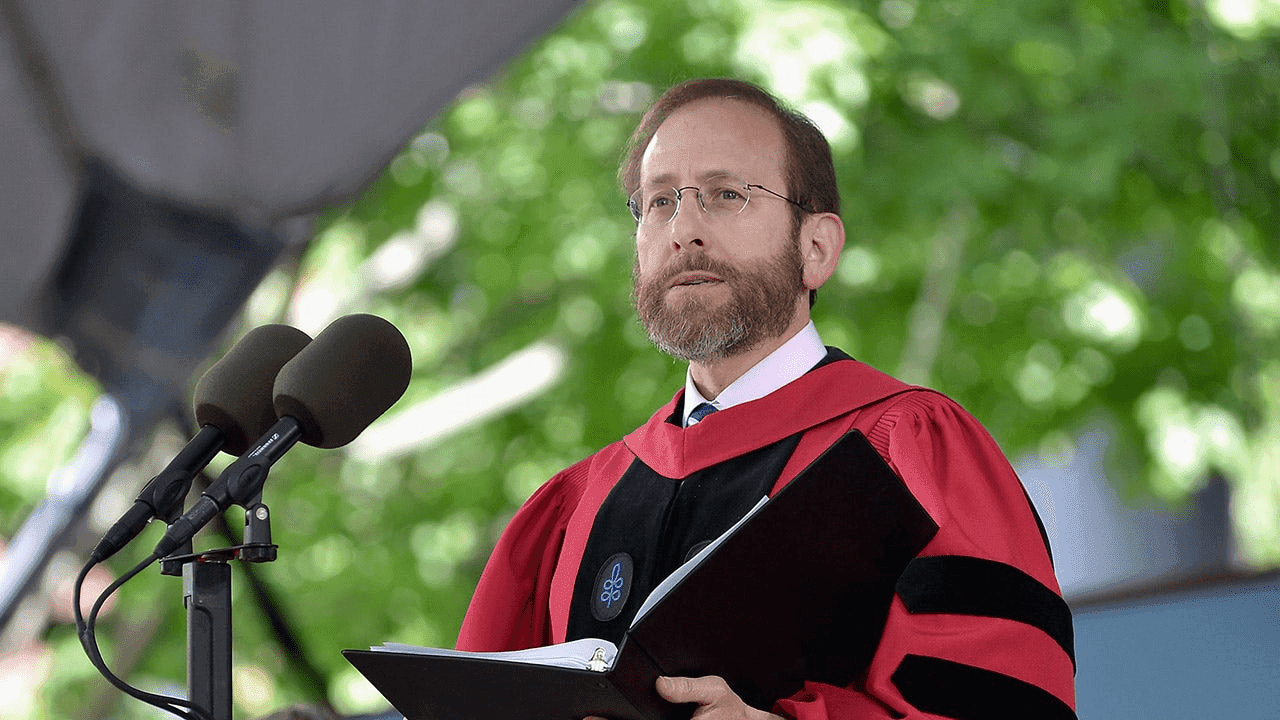
In a bold move that reflects on the shifting dynamics within academia, Harvard University’s president has agreed to take a significant pay cut. This step serves as a proactive measure in addressing economic uncertainties affecting the institution and illustrates the resolve and leadership from the top.
Harvard, revered as one of the most prestigious universities globally, faces unprecedented challenges that require reevaluation of financial strategies. The decision to reduce the president’s salary by a substantial percentage sends a powerful message about the institute’s commitment to maintaining educational excellence and financial stability.
The landscape of higher education is undergoing profound transformation, impacted by global socio-economic trends and evolving student needs. Harvard’s choice to cut costs at the executive level highlights a shift toward sustainability and adaptability.
This move does not only emphasize financial prudence but also sets a precedent for other universities in navigating similar hurdles. It points to a future where academia might need to continuously reimagine traditional operations to thrive and uphold quality education.
While the narrative around administrative compensation has been contentious, this decision has sparked conversations about leadership, sacrifice, and responsibility in times of financial constraint. By prioritizing the institution’s broader goals, Harvard underscores its readiness to evolve while sustaining its academic eminence.