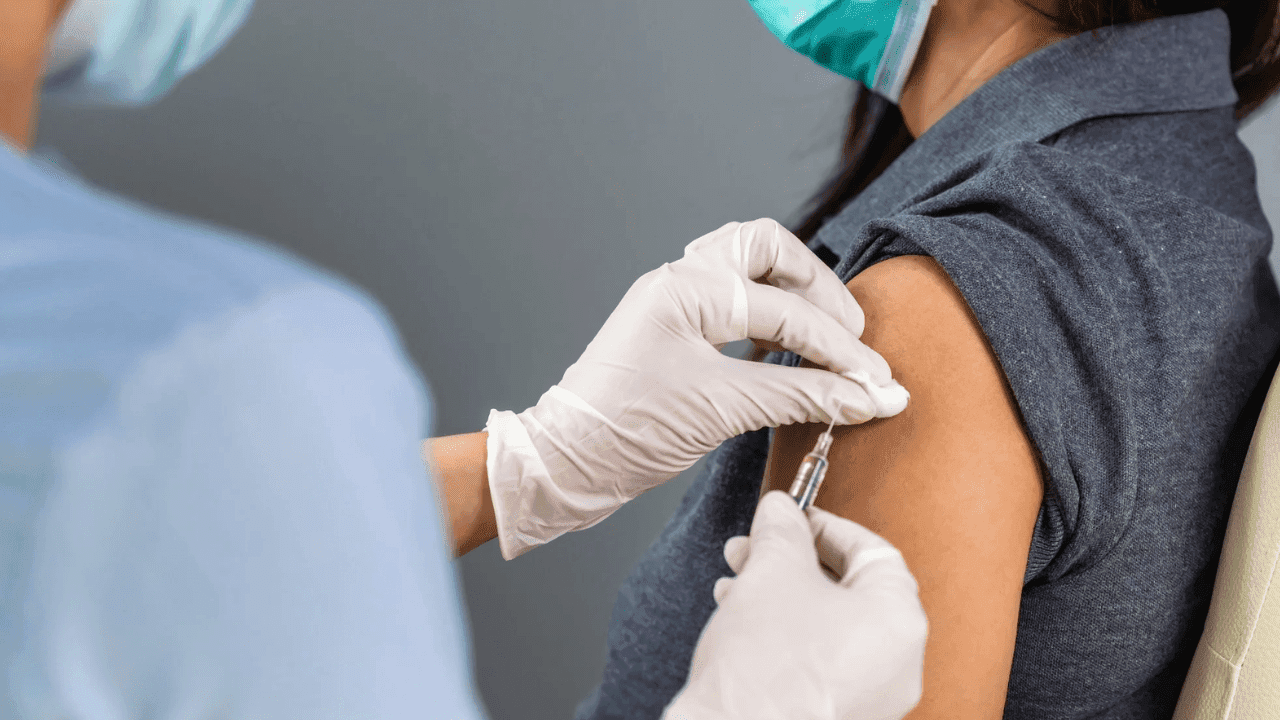
In an astounding development, the National Health Service (NHS) has launched a revolutionary ‘super-jab’ capable of treating 15 different types of cancer, significantly reducing treatment times and potentially transforming the oncology landscape across the UK. This breakthrough makes NHS the first health service in Europe to offer such innovation, potentially transforming the lives of countless patients.
The new treatment involves a subcutaneous injection form of the immunotherapy drug nivolumab, previously administered via an intravenous drip taking up to an hour. Now, patients requiring chemotherapy can receive their treatment in just five minutes.
The super-jab is projected to benefit approximately 1, 200 cancer patients monthly in England alone, treating conditions such as skin, bladder, and oesophageal cancer. Clinical trials revealed patient preference for this new format, negating the lengthy intravenous sessions and facilitating quicker, more comfortable care.
The UK Medicines and Healthcare products Regulatory Agency (MHRA) has given approval, allowing NHS to proceed with this cutting-edge treatment. This innovation is anticipated to save NHS personnel and patients over a year’s worth of clinical time annually, enhancing healthcare efficiency dramatically.
Expert voices, including Professor Peter Johnson, NHS England’s National Clinical Director for Cancer, endorse the new treatment as a critical step in advancing cancer care, allowing healthcare providers to allocate more time to new and existing patients.
In terms of economic impact, the super-jab is set to alleviate substantial pressures on NHS resources, freeing up critical space and personnel in hospital wards. Furthermore, this move is part of NHS’s ongoing dedication to deploying the latest medical technologies to improve patient outcomes and accessibility.
The potential global impact is monumental, as healthcare systems worldwide may look to NHS’s pioneering efforts as a template for integrating such innovations in cancer care. With cancer diagnoses rising, particularly among younger demographics, fast and efficient treatments are more critical than ever.
In closing, this super-jab is not just a leap forward for cancer therapies but a symbol of hope and perseverance in the quest to conquer such pervasive and challenging diseases. NHS’s breakthrough reinforces the importance of ongoing innovation and collaboration in the medical field to confront and surmount the most significant health challenges we face.