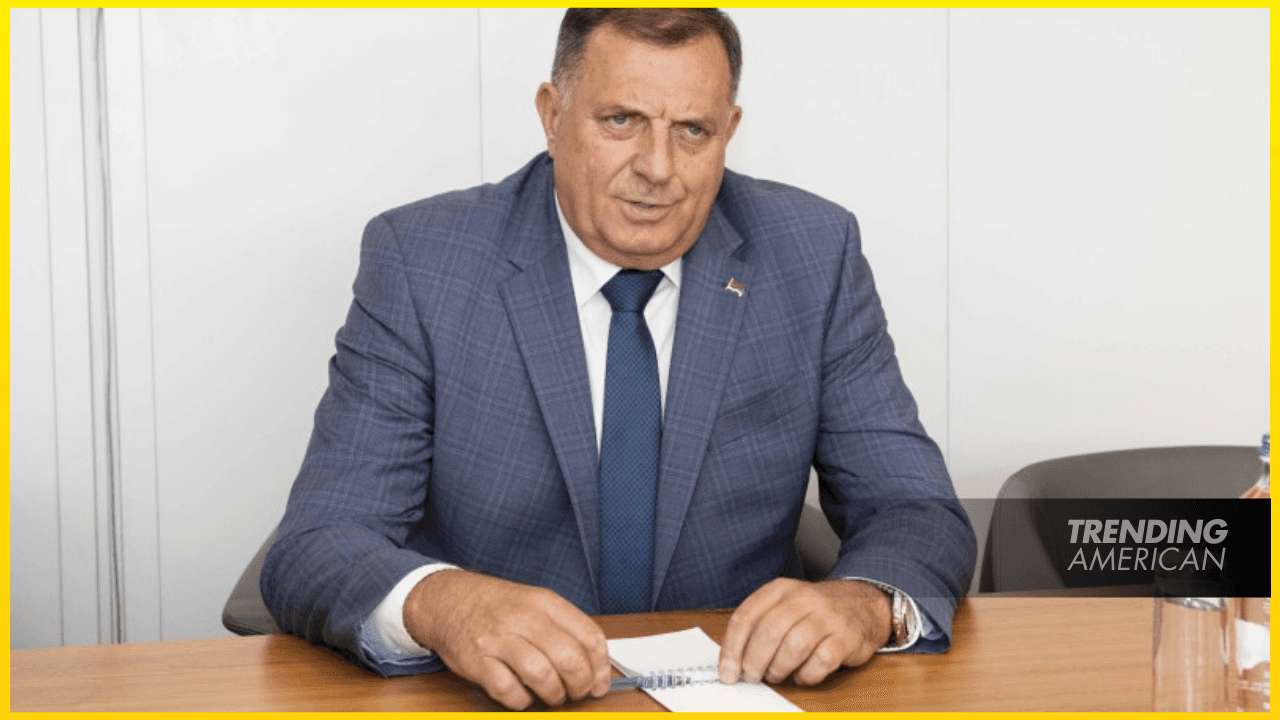
In October 2025, the U.S. Treasury’s Office of Foreign Assets Control (OFAC) lifted sanctions on Milorad Dodik, his allies and family, along with more than a dozen connected entities. Sanctions on four Dodik associates were lifted on October 17, with broader relief announced on October 29, 2025. The move marks a strategic recalibration of U.S. policy in the Western Balkans after years of sanctions tied to Dodik’s role in undermining the Dayton peace accords and related acts.
Dodik, the Bosnian Serb leader and former Republika Srpska president, has long been at the center of Bosnia and Herzegovina’s fraught post-war politics. His circle—ranging from influential Republika Srpska Assembly figures to his adult children, Igor and Gorica, and a network of associates and companies—was targeted by OFAC amid concerns about governance, regional stability, and alignment with Russian interests. The broader sanctions relief comes following intense lobbying by Republika Srpska officials and a shifting political landscape in BiH, including Dodik’s political and legal turmoil and the revocation of his presidential mandate for defying international oversight.

Officials cited a strategic recalibration and targeted relief designed to incentivize reform and normalize relations with the United States in response to evolving regional dynamics. Reuters and Balkan Insight reported that Republika Srpska lawmakers and allied actors played a significant role in shaping this shift, signaling a reorientation of U.S. policy toward the Balkans.
Critics warn that removing punitive measures could embolden pro-Russian factions and hardliners within Bosnia and Herzegovina, potentially destabilizing the delicate post-war order. Supporters, however, argue that relief reduces punitive pressure and could encourage reform and better governance if paired with credible oversight and regional engagement.
Disclosure: We may earn a commission when you make a purchase through the ads.