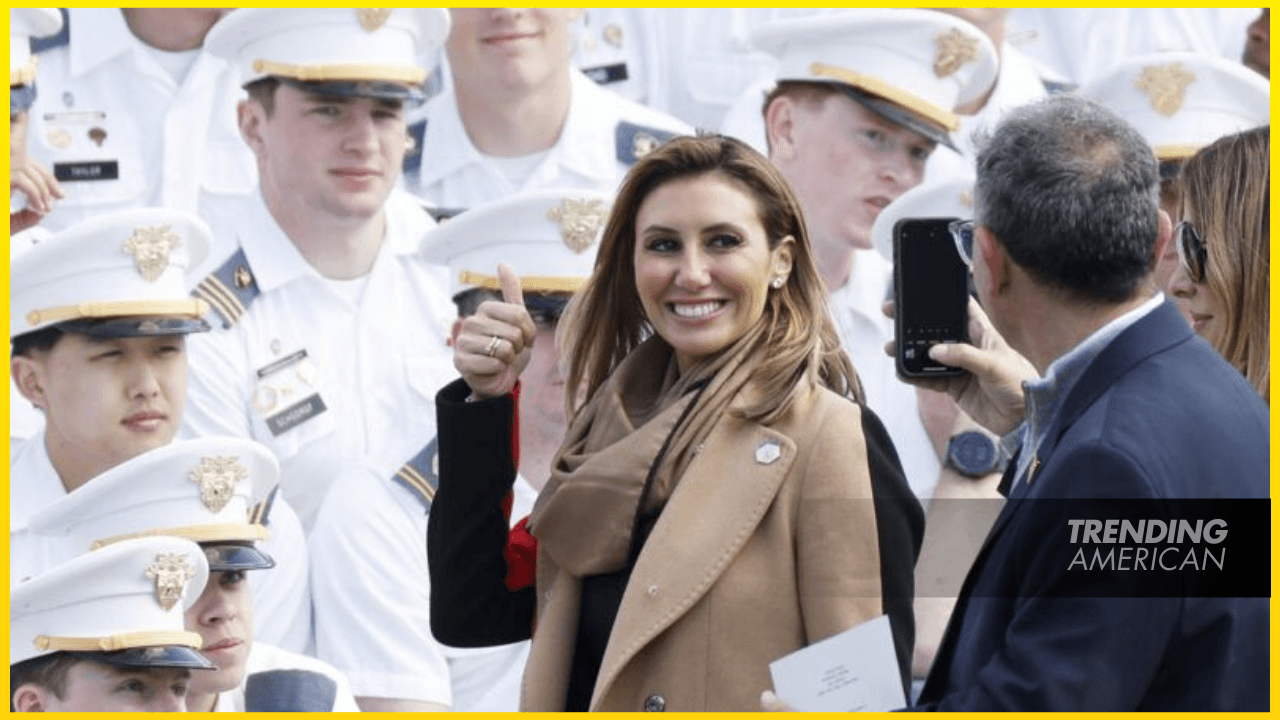
President Donald Trump and allies have pressed a push to install trusted loyalists as U.S. attorneys without the Senate’s mandatory advice and consent, a move that raises serious questions under the Appointments Clause and tests the balance between the executive and legislative branches.
At the center of the controversy is Alina Habba, a former personal lawyer for Trump who served as the acting U.S. attorney for New Jersey. Reports describe Habba and other Trump-linked figures—including Lindsey Halligan and Pam Bondi—as part of a broader effort to bypass Senate confirmation in key districts.
A chorus of federal appellate rulings around December 1–3, 2025 found Habba to be unlawfully appointed, underscoring the judiciary’s insistence on the Senate’s constitutional role. Coverage from Reuters, the New York Times, CNBC, NPR and others highlighted the decisions and the potential ripple effects on dozens of prosecutions nationwide.
Supporters of the approach argue that executive authority can be necessary to fill posts quickly in certain situations, while critics warn that bypassing the Senate risks unconstitutional power grabs and could undermine the independence of federal prosecutions.
Looking ahead, the cases raise questions about how future U.S. attorneys are selected and whether other appointments could face similar challenges. The episode has national implications for governance and the rule of law as courts continue to interpret the Appointments Clause and the separation of powers.
Disclosure: We may earn a commission when you make a purchase through the ads.