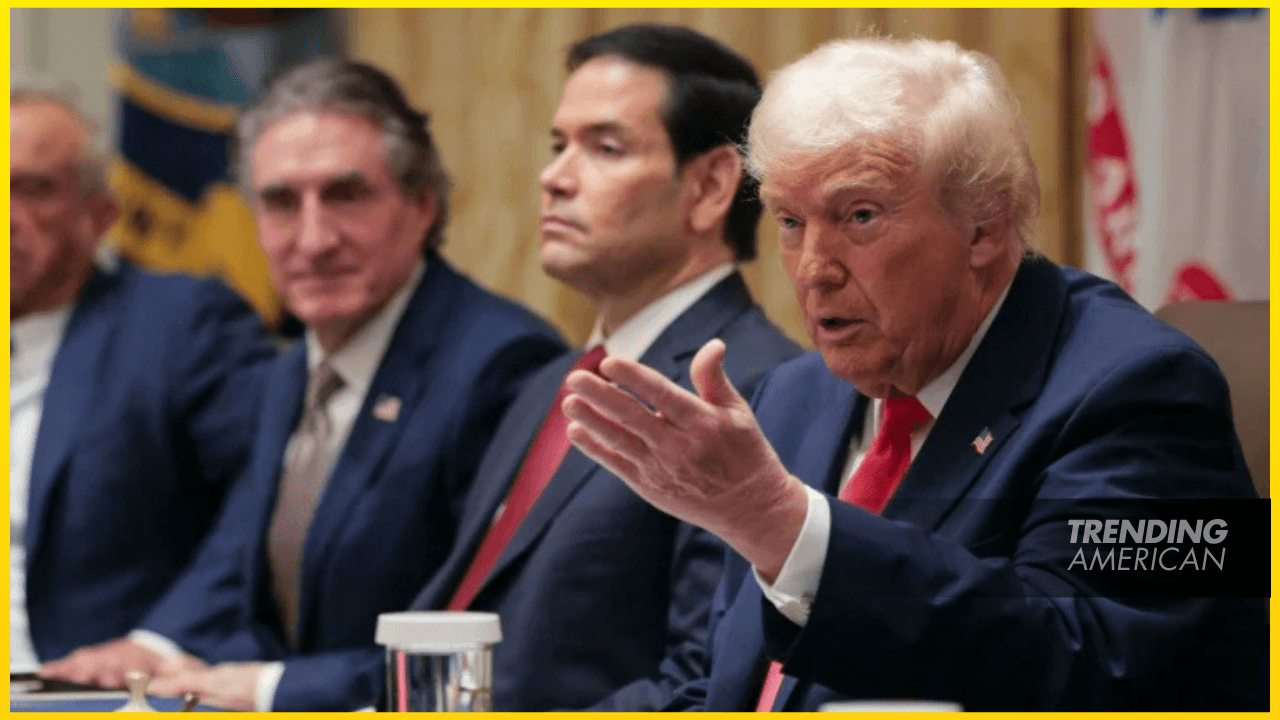
During a White House cabinet meeting on December 2, 2025, President Donald Trump unleashed a tirade against Somali immigrants, calling them “garbage,” saying their country “stinks,” and declaring that they should be sent back to where they came from. The remarks, reported by multiple outlets, came as the administration was publicly weighing intensified immigration enforcement in Minnesota’s Somali community. Trump also attacked Rep. Ilhan Omar, a Somali American and Democratic congresswoman, criticizing her and her fellow Somalis as a group that “do nothing but complain.”
The New York Times reported that the Minneapolis–Saint Paul metro area, where the majority of Somali Americans in the United States live, could see stepped-up deportation efforts this week, with “strike teams” of ICE and other federal officers targeting Somalis with final deportation orders. The Times said roughly 100 agents would be deployed from across the country, a plan that echoed reporting corroborated by other outlets.
In Minnesota, local officials and community leaders quickly pushed back. Minneapolis Mayor Jacob Frey said the city stands with the Somali community and stressed that Minneapolis police do not assist with immigration enforcement, adding that due process would be violated if enforcement actions were aimed at residents. Frey noted that about 80,000 Somalis live in Minnesota, many of whom are United States citizens or lawful residents.
Omar herself responded on social media, calling Trump’s tirade an attack and saying that his views reflect a broader strategy to demonize a protected community. NBC News reported that Omar described the attack as personal and urged that the president “get the help he desperately needs.”
The remarks drew coverage from The Guardian, The New York Times, NBC News, BBC, and The Wall Street Journal, among others, all situating the comments within broader debates over U.S. immigration policy and civil-rights protections. Critics argued that singling out a specific immigrant group and dehumanizing them risks chilling due-process rights and legitimizing discrimination, particularly as federal authorities pursue more aggressive enforcement in Minnesota.
In the days since, Minnesota Governor Tim Walz and other leaders have cautioned against politicizing crime and fraud investigations or using immigration status as a political cudgel. Walz called for serious handling of fraud cases while opposing “PR stunts” and indiscriminate targeting of immigrants. The Guardian noted past fraud investigations involving Somali residents as part of the backdrop to this confrontation.
As coverage continues, observers say the episode underscores the intense politics surrounding immigration, the fragility of due-process guarantees for residents in Minnesota, and the potential impact on the country’s Somali community—which represents one of the largest Somali populations in the United States.
Disclosure: We may earn a commission when you make a purchase through the ads.