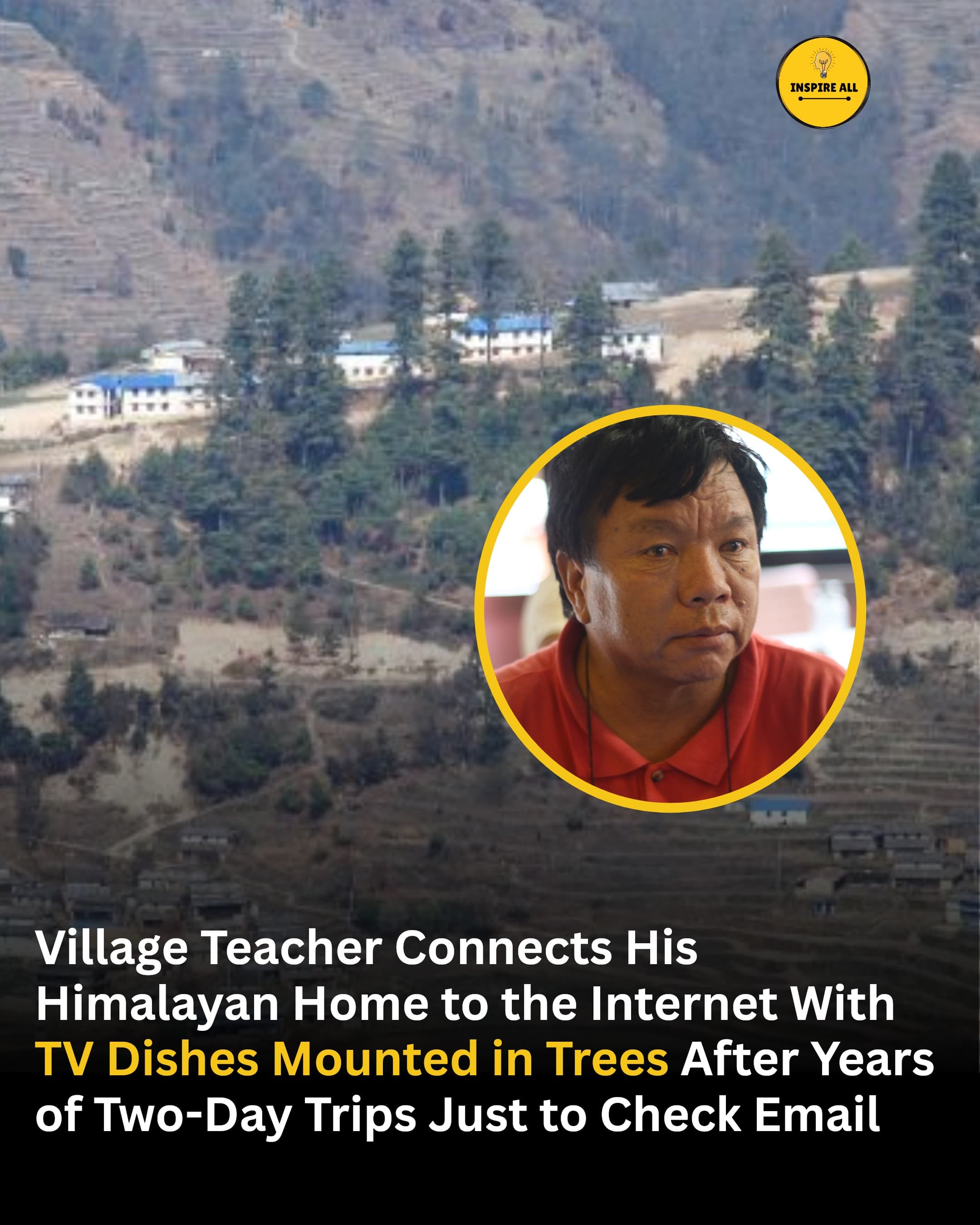
A Nepalese teacher’s effort to connect a village school grew into a network serving remote mountain communities.
For Mahabir Pun, checking email once meant a difficult trip from Nangi, his village in western Nepal, to Pokhara. The computers at the village school could run on small hydro-generators, but they had no connection to the wider world.
Pun and volunteers eventually linked villages using wireless equipment, including TV dish antennas mounted in trees. The Ramon Magsaysay Award Foundation’s 2007 account records Nangi as online by 2003.
Computers arrived before connectivity
Pun returned to Nangi in 1992 and joined local efforts to establish a high school. Four used computers donated from Australia arrived in 1997.
Power was one obstacle; a communications link was another. His monthly journeys to check email made the distance between having a computer and being connected especially clear.
In 2001, BBC coverage of his request for technical ideas brought help from volunteers. Connections to Ramche and improvised mountaintop relays followed.
A network built with other people
The Internet Hall of Fame’s 2014 profile describes repeated testing of long-distance links and teachers learning to assemble and operate computers.
It dates an initial connection to 2002, while the award foundation describes Nangi as online by 2003. These accounts capture stages of an evolving project rather than a single switch being thrown.
The 2014 profile reported about 175 connected villages. That is a historical figure, not a new count of active connections.
What the connection was for
The award foundation documented teachers sharing lessons between schools and health workers consulting specialists in Pokhara. Villagers also used online communication to market local products.
These uses explain why the project mattered. A network could make expertise and opportunities easier to reach without requiring the same journey each time.
Pun received the Ramon Magsaysay Award in 2007 and entered the Internet Hall of Fame in 2014. Behind those honors was a community effort to make distant resources part of village life.
Related: Kelvin Doe’s homemade radio and Arvind Gupta’s science toys.