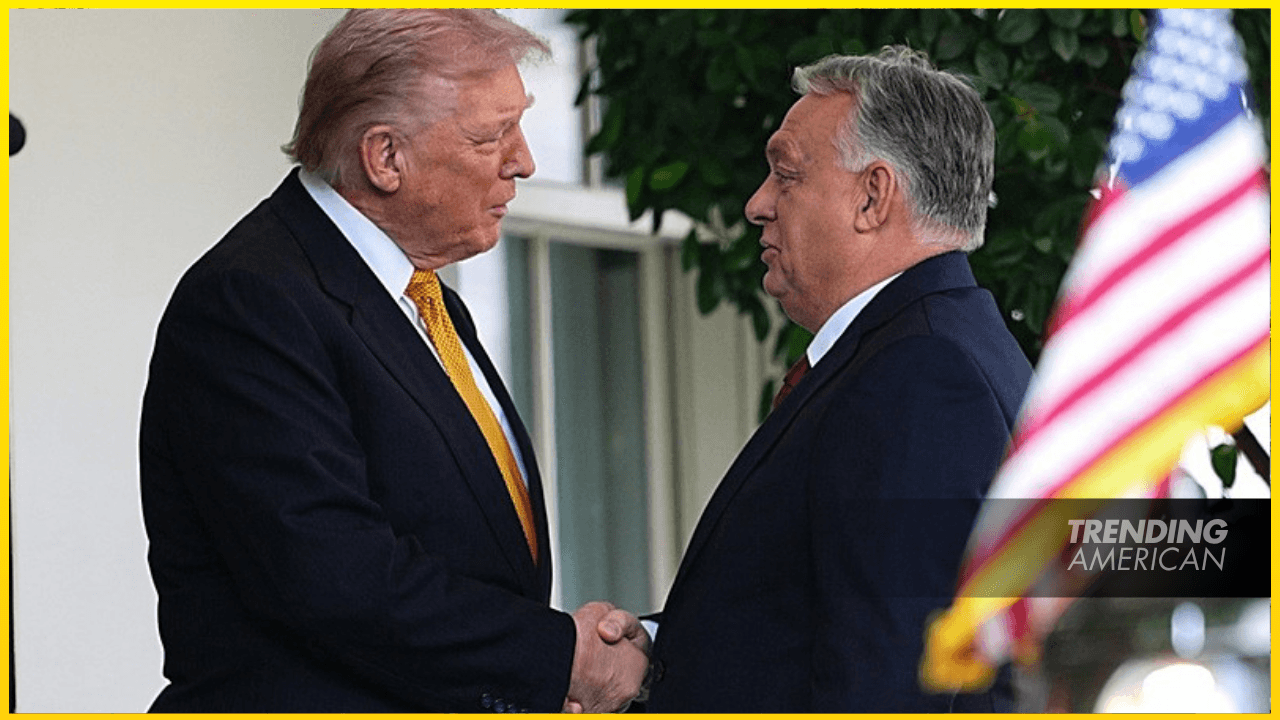
Viktor Orban, Hungary’s Prime Minister, has clinched a crucial deal with US President Donald Trump to secure what he calls a “financial shield.” Announced on November 9, 2025, this strategic agreement aims to bolster Hungary’s financial defenses amid escalating Eurozone tensions.
The agreement allows a one-year exemption from US sanctions on Russian oil and gas, potentially averting economic pressures that have loomed over the Hungarian economy. In parallel, contracts worth $600 million for US liquefied natural gas have been signed, promising a vital energy supply line.
Orban heralded this move as a safeguard against any external threats to Hungary’s financial system, highlighting the bond between Washington and Budapest. “Should there be any external attacks… the Americans gave their word,” Orban assured via video.
This development unfolds against a backdrop of Hungary’s frosty relations with the EU, which has withheld funds due to concerns over Hungary’s democratic practices. Critics argue Orban is leveraging his US relations to circumvent EU pressures and stabilize Hungary’s stagnating economy.
Facing not just EU hurdles but a complex global dynamic, Orban’s strategy underscores Hungary’s precarious economic stance. The Hungarian forint, suffering since Russia’s 2022 invasion of Ukraine, has shown signs of recovery; however, stability remains fragile.
As Hungary navigates these international waters, the efficacy and repercussions of Orban’s US pact will undoubtedly be watched closely by both political and economic analysts worldwide.