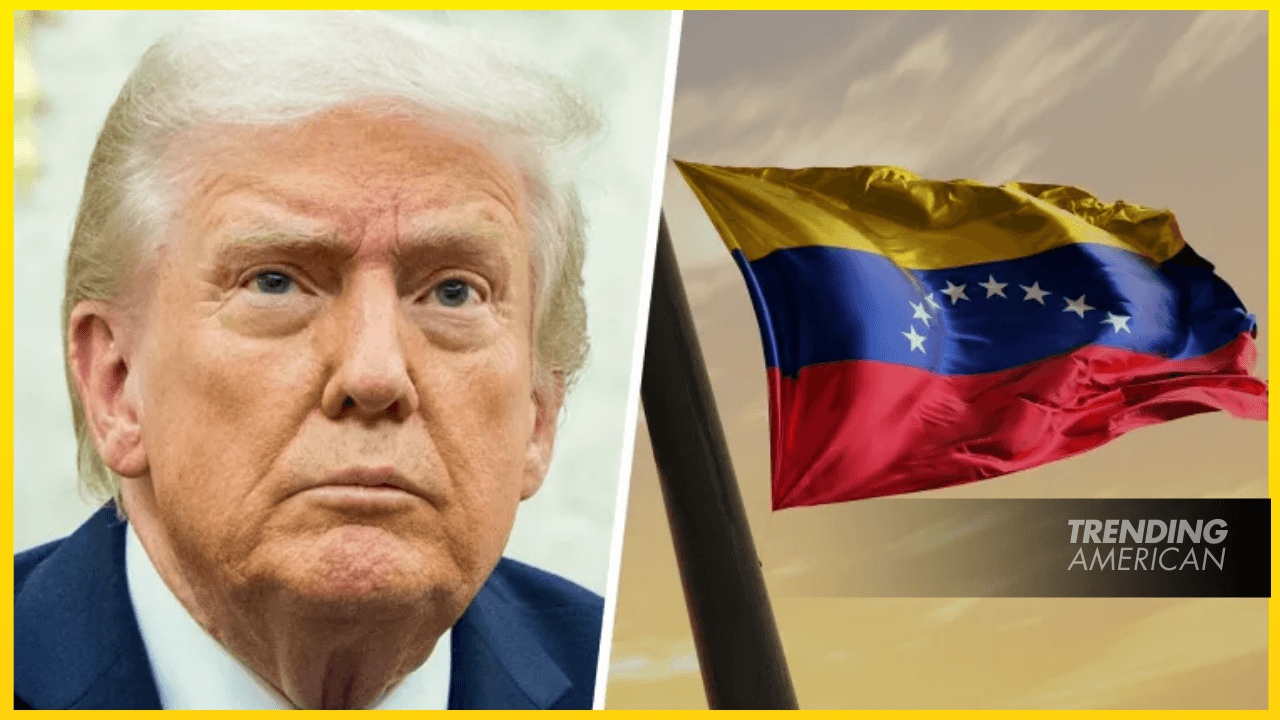
In early January 2026, President Donald Trump floated a bold, controversial proposal: the interim Venezuelan authorities would turn over 30–50 million barrels of sanctioned oil to the United States, to be sold at market price with the proceeds directed by the U.S. president. He also claimed that the U.S. oil industry would be “up and running” in Venezuela within about 18 months, signaling a dramatic revival of both Venezuela’s oil sector and U.S. influence in the Western Hemisphere. While the plan drew coverage from BBC, Reuters, CNN, DW, Al Jazeera, PBS, Guardian, NYT and the Washington Post, analysts warned that translating this plan into reality would face formidable technical, legal and political obstacles. Below are five critical questions that remain largely unanswered.
1) How many barrels are involved, and who guarantees the sale terms?
– What we know: The proposal cites 30–50 million barrels, to be sold at market price, with the proceeds controlled by the U.S. president.
– What remains unclear: There are no disclosed guarantees, governance structures, or enforceable sale-term arrangements beyond Trump’s public statements.
2) Who would control and receive the oil revenue, and how would funds be used?
– What we know: Trump asserted that the money would be controlled by him and used for the benefit of both Venezuela and the United States.
– What remains unclear: Concrete governance mechanisms, distribution rules, and oversight have not been publicly outlined.
3) What is the timeline to rebuild Venezuela’s oil industry, and is 18 months realistic?
– What we know: Trump said the U.S. oil industry would be up and running in Venezuela within 18 months.
– What remains unclear: Analysts cautioned that reviving Venezuela’s heavy crude-focused output could take years and require substantial investment, regulatory approval, and infrastructure work.
4) What is the status of Maduro and the Venezuelan political situation under this plan?
– What we know: Maduro has been removed and brought to the United States, and Delcy Rodríguez has been installed as interim president.
– What remains unclear: The long-term political arrangement, legitimacy concerns, and the future leadership of Venezuela under this plan remain uncertain.
5) What are the potential risks and international reactions to this plan?
– What we know: Analysts highlighted significant logistical, legal, financial, environmental, and geopolitical risks, along with potential backlash from other nations and energy markets.
– What remains unclear: The scale and duration of any international pushback, sanctions implications, and how existing oil markets would absorb such a shift.
The five questions above underscore that while the plan aims to secure a large oil influx and reshape regional energy and political dynamics, there are substantial and unresolved hurdles—technical, legal, and diplomatic—that could complicate any path to realization.