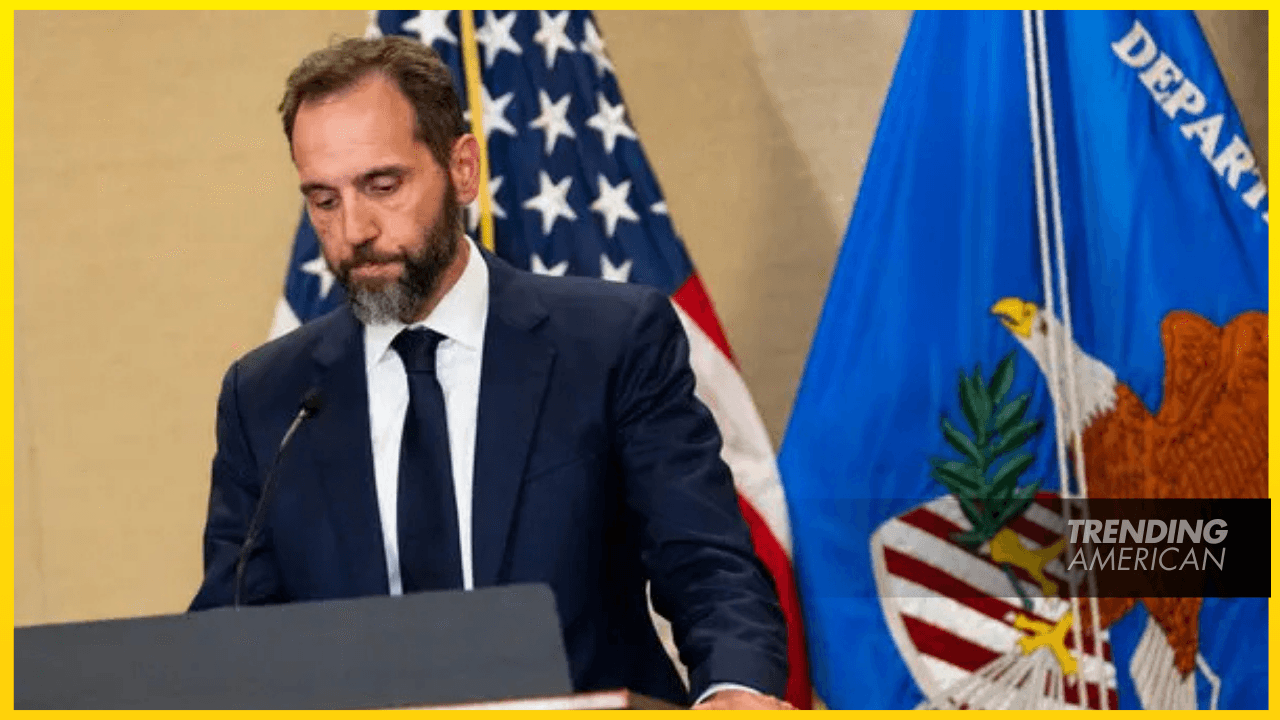
On a cold January morning, Brad Friedman invites listeners into BradCast’s studio for a focused examination of Jack Smith’s congressional testimony about Donald Trump and the January 6, 2021 assault. The episode situates Smith’s remarks within the broader debate over whether the Justice Department’s investigations have been weaponized for political ends, and it asks how the presented evidence stacks up against the legal standard for conviction. The discussion features careful parsing of the testimony, the arguments around evidence, intent, and accountability, and it situates the episode within the larger narrative of American democracy facing a pivotal moment of legal scrutiny.
What the testimony covered, and how coverage framed it: the BradCast episode highlights Smith’s assertion that the evidence supports ‘beyond a reasonable doubt’ that Trump committed crimes related to January 6 and would have been convicted were the case to go to trial. This framing is drawn from coverage of Smith’s testimony, which emphasizes the strength of the presented facts and the legal standards at issue. The show also foregrounds questions about the DOJ’s prosecutorial approach and whether its tactics or targets reflect legitimate law enforcement priorities or political influence. The discussion does not rest on one source alone, but rather synthesizes reporting from a range of outlets to provide a fuller picture.
The debate over weaponization centers on whether the DOJ’s investigations into the Jan. 6 events have been conducted with impartial legal standards or instrumentally as a political message. The BradCast episode uses Smith’s testimony as a focal point to weigh the strength of the evidence against the risk of political overreach, and to examine what accountability looks like in a system built on the rule of law and public trust.
Key sources include the BradCast episode on Daily Kos, PBS NewsHour, NPR transcripts, 13abc reports, and the New York Times’ ongoing coverage. Listeners and readers can follow the linked pieces to access transcripts, full reporting, and additional context.
The episode aims to illuminate not just the specifics of the testimony, but the larger question of how American institutions—Congress, the DOJ, and the press—frame a struggle over accountability, justice, and democratic norms in a highly charged political moment.