In January 2026, Taiwan readies for a tense year of defense planning as Washington signals a nuanced stance toward Beijing. Taiwan’s President William Lai Ching-te has urged greater military funding to bolster deterrence amid ongoing Chinese live-fire drills around the island. The United States has approved an about $11 billion arms package for Taiwan, underscoring Washington’s commitment to Taipei’s self-defense while seeking to avoid unnecessary escalation with Beijing.
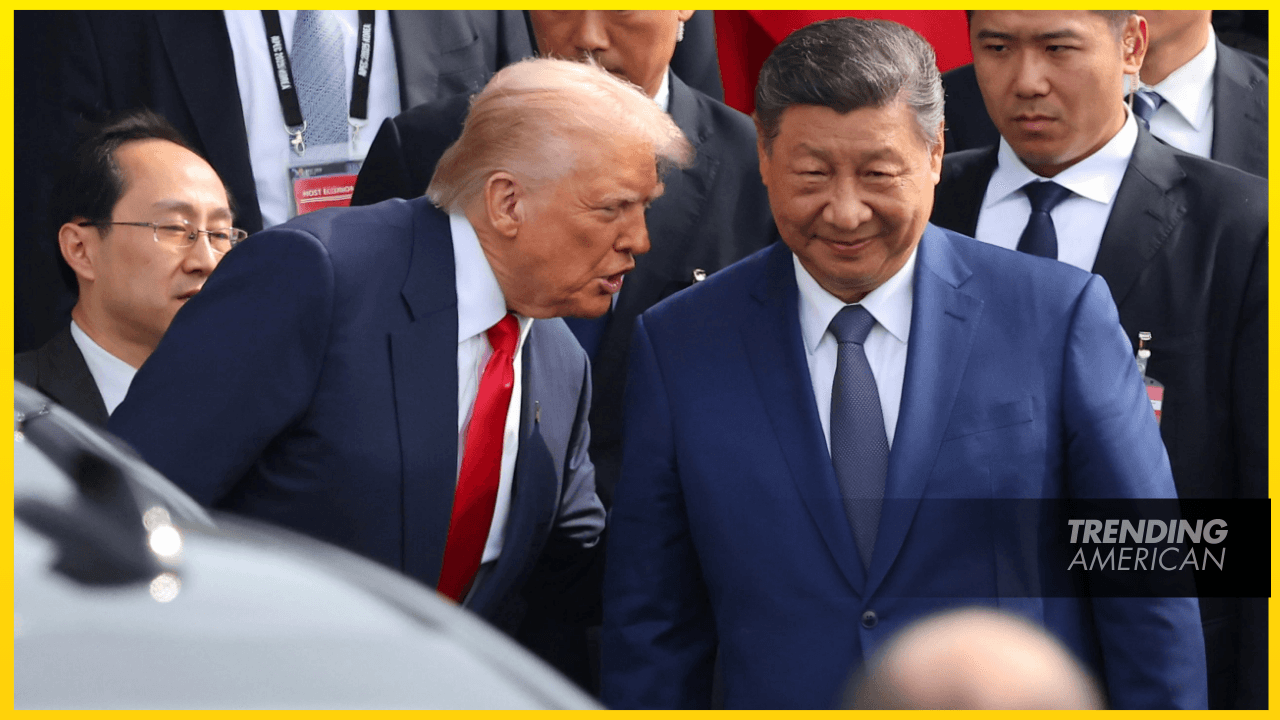
Analysts describe former President Donald Trump’s Taiwan stance as quiet but strong. He has stressed a firm, results-oriented approach and maintains a personal rapport with Xi Jinping even as his administration supports Taiwan with substantial security assistance. The portrayal of this stance— restrained in tone but resolute in intent—appears aimed at signaling deterred aggression without triggering a wider confrontation across the Taiwan Strait.
The U.S. State Department, through spokesperson Tommy Pigott, has reaffirmed Washington’s call for restraint from China and a clear commitment to Taiwan’s defense. Pigott’s statements reflect a broader effort to balance deterrence with diplomacy, a thread that runs through the current arms package and ongoing security dialogue with Taipei.
Taiwan’s defense policymakers and Lai Ching-te’s government are pushing for stronger funding and modernization to ensure readiness in the face of pressure from Beijing. Beijing’s drills around Taiwan, part of a broader deterrence strategy, have heightened regional sensitivities and complicated cross-strait communications. The dynamic underscores a central question for regional security: can deterrence be maintained through robust, credible defense assistance without tipping the balance into crisis?
Geopolitically, Trump’s quiet but firm line sits within a broader context of U.S.-Taiwan relations and China’s deterrence posture. Analysts note that arms sales and defense cooperation matter, not only for Taiwan’s security but for signaling to Beijing about Washington’s red lines. As Al Jazeera and other outlets reported in early January 2026, the cross-strait equation remains a delicate negotiation among assurances, capabilities, and signaling.
Looking ahead, the year 2026 could hinge on how well Taipei can translate funding into capable defense and how Washington calibrates its rhetoric and action toward both partners. The challenge for all parties is to deter aggression, uphold stability, and avoid miscalculation in a rapidly shifting regional security landscape.