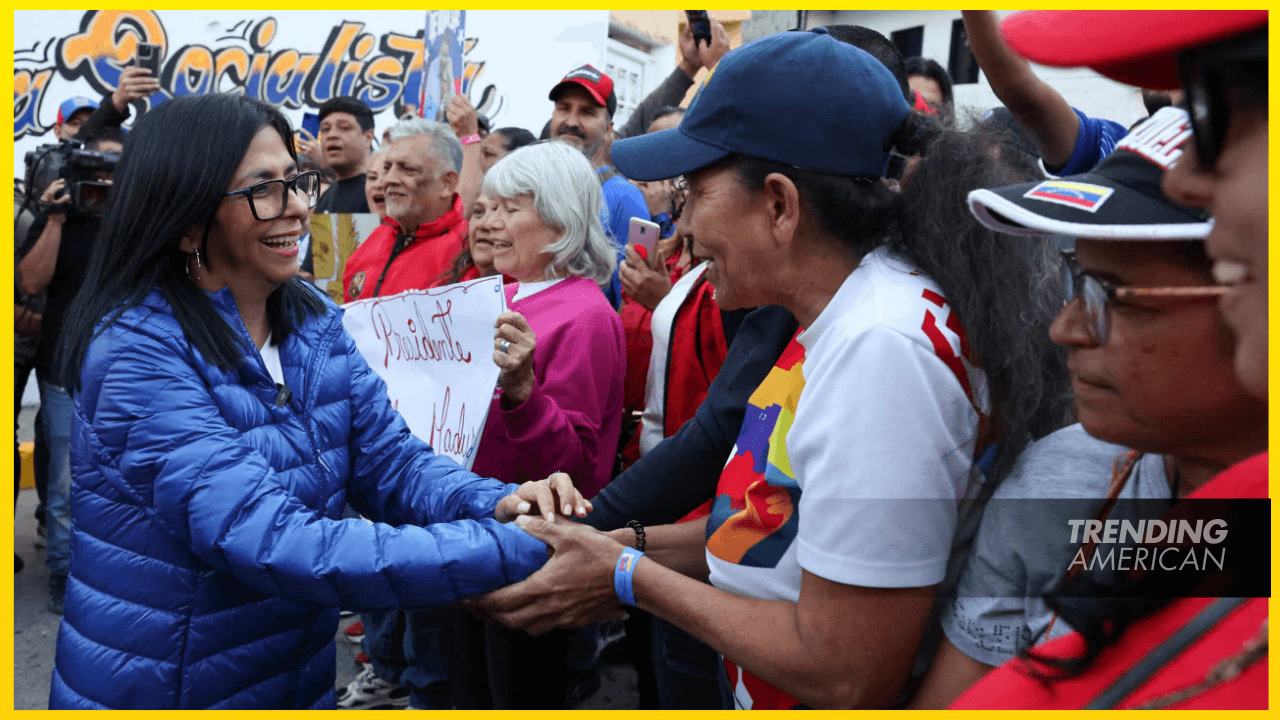
In Caracas, Venezuela, the interim government led by Delcy Rodríguez made a public assertion of national sovereignty in the wake of Nicolás Maduro’s dramatic disappearance. Rodríguez spoke to reporters and officials early Saturday, saying the country is not being run by any foreign power and that the government of Venezuela is in charge as the transition unfolds. The remarks were issued from the capital as Caracas grapples with uncertainty over Maduro’s fate and the legitimacy of external involvement.
Rodríguez framed the message around a clear rejection of foreign governance, saying there is no foreign agent governing Venezuela. The statements are part of a broader effort to reassure domestic power brokers and ordinary Venezuelans that the country will steer its own course through the unfolding crisis. The quotes echo a push for autonomy despite intense international scrutiny and outside pressure.
The remarks come amid questions about U.S. involvement after Maduro’s capture by U.S. forces and as President Donald Trump signaled plans regarding Venezuela’s oil reserves. The dialogue underscores the tension between a domestic sovereignty narrative and outside claims or expectations about access to one of the world’s largest crude inventories.
Within Venezuela, hardliners aligned with the interim government’s approach have emphasized unity with internal power brokers to maintain firm control over security, governance, and the strategic oil sector. The message is designed to project continuity and resilience as Maduro’s legal status remains unsettled and as external actors outline conditions or consequences for non-compliance.
International observers have monitored the transition closely, with Washington’s rhetoric and threats about oil access drawing particular attention. While Rodríguez’s sovereignty-focused remarks aim to deflect external leverage, the real test for Caracas will be maintaining stability, ensuring political legitimacy, and securing a path forward that can withstand both internal factional pressures and external demands.
The post-Maduro period in Venezuela remains fluid, and Rodríguez’s assertion of sovereign control represents a pivotal stance in a landscape marked by competing claims, powerful regional actors, and high-stakes negotiations over one of the planet’s largest oil reserves.