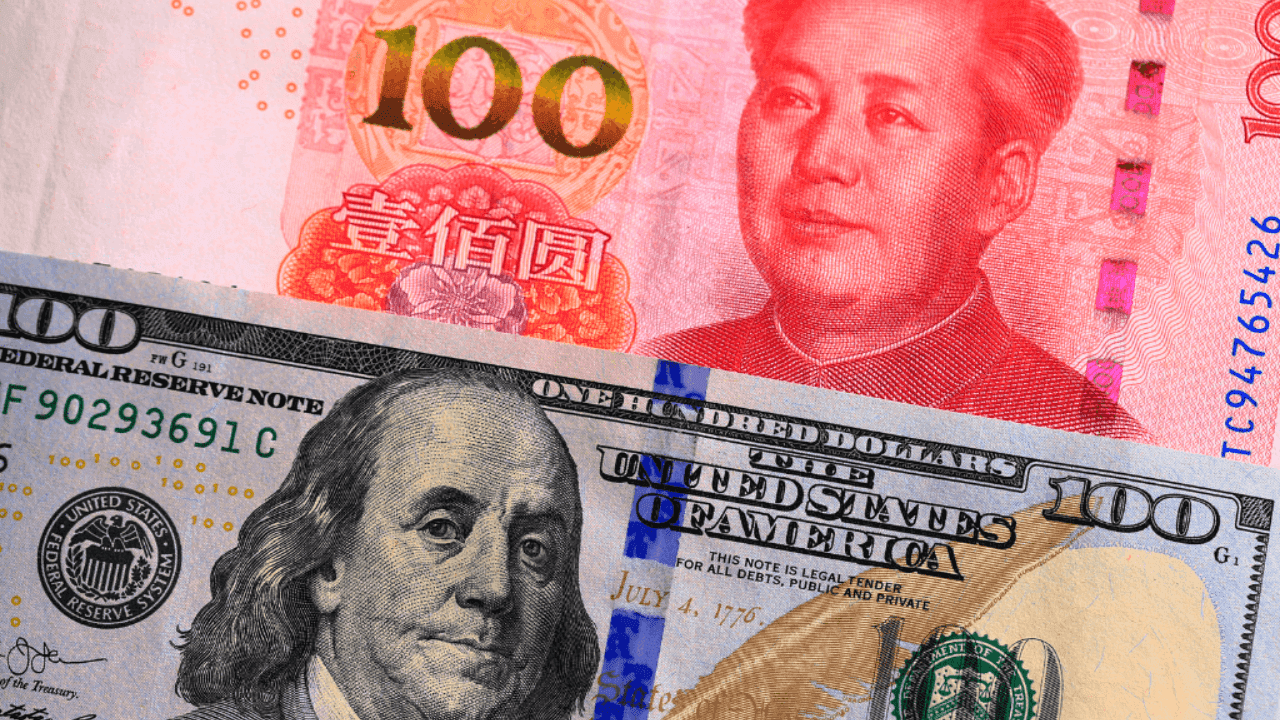
China’s central bank is stepping in to defend the yuan amid heavy depreciation pressures by directing major state-owned banks to cut back on U.S. dollar purchases, according to multiple sources.
Facing mounting strain from sweeping new U.S. tariffs—some as high as 104%—Beijing is resisting a sharp yuan depreciation, opting instead for currency stability. The People’s Bank of China (PBOC) issued informal “window guidance” this week, asking banks to withhold dollar purchases for their own accounts and increase scrutiny on client transactions.
Large banks were seen actively selling dollars and buying yuan in the onshore market to curb the currency’s slide. The yuan, down about 1.3% this month, briefly rebounded after news of the directive broke.
Policy insiders say the PBOC won’t resort to aggressive devaluation, warning it could damage investor confidence and trigger capital outflows. However, a mild depreciation is seen as a tool to support exports.
Analysts expect the PBOC to maintain modest control over the yuan’s daily midpoint fixing to stabilize market sentiment and help other pressured Asian currencies.