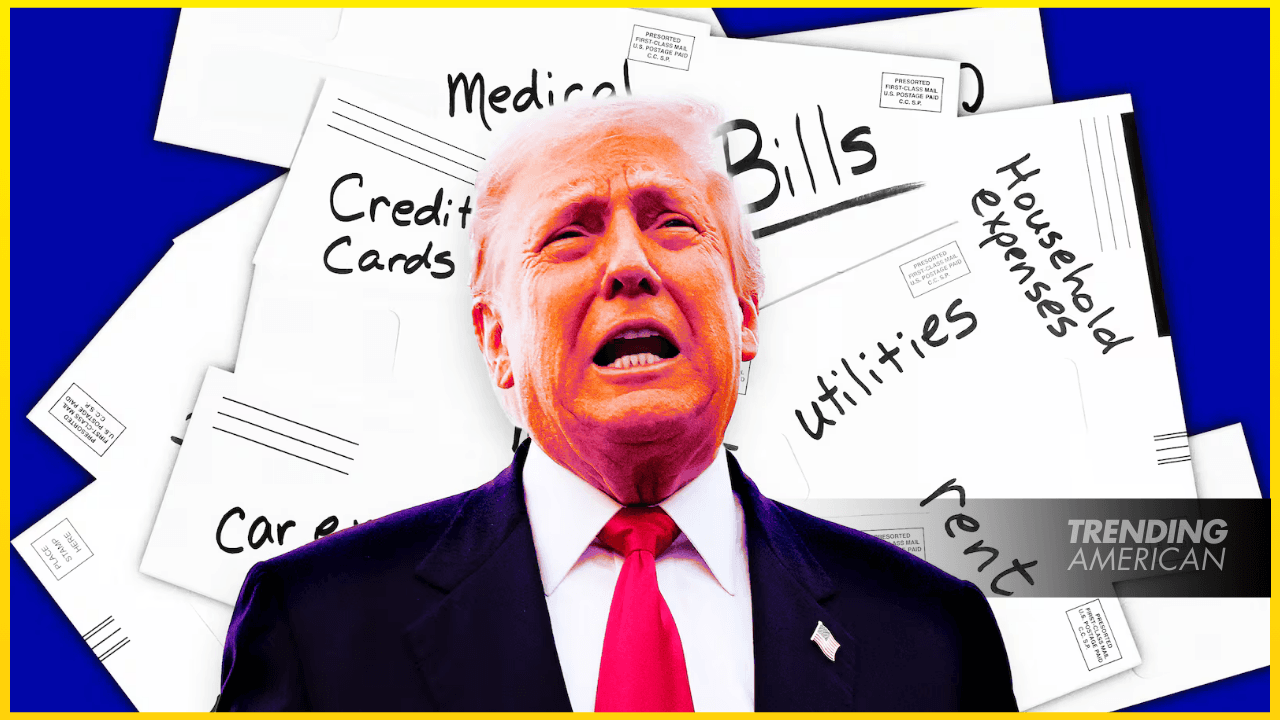
Dateline: December 4–5, 2025, Pennsylvania — In a moment many voters are watching closely, Donald Trump is staging a Pennsylvania swing to foreground his messaging on inflation and affordability. A White House official confirmed that Trump will travel to Pennsylvania to press his plan to curb inflation and argue that worries about rising costs are the product of political framing rather than a failing economic reality. The move comes as families across the country confront higher grocery and energy bills at a time when tariff-driven shifts and policy changes are stirring debate about what actually keeps prices in check.
Supporters describe the Pennsylvania stop as a chance to highlight what they view as a turning point in economic policy: long-sought tax relief and tariff adjustments they say are beginning to ease prices for ordinary families. They frame Trump’s message as a reboot of a broader economic plan designed to sustain growth while delivering tangible relief at the checkout line and on energy bills. Critics, by contrast, warn that tariffs and volatile prices carry real costs that can outpace wage gains, arguing that the administration’s narrative risks oversimplifying a complicated inflation picture.
Major outlets are tracking the messaging from multiple angles. The Associated Press has noted Trump’s persistent focus on affordability, while outlets such as the New York Times, Fox Business, and others have offered nuance—covering how tariffs, supply-chain disruptions, and policy announcements intersect with inflation data. Some reports frame the president’s approach as a political maneuver to credibly claim credit for price moves, while others spotlight questions from economists about the durability of any inflation relief.
Polling in the run-up to the visit shows lingering fears about inflation and living costs, but voters differ on whether Trump’s policies are the source of relief or the cause of volatility. In Pennsylvania, local leaders and residents in affected communities are weighing the potential benefits of policy changes against concerns about rising prices in groceries, energy, and everyday goods. The visit is also viewed as a test case for how convincingly a presidential campaign can tie tariff policy and tax cuts to everyday affordability.
The broader implication of the trip is a broader attempt to frame the inflation debate in terms of political accountability. Supporters say the trip demonstrates that inflation relief is within reach and that tariffs can be adjusted to balance growth with consumer costs. Critics urge caution, noting that any perceived gains can be offset by longer-term price dynamics and the broader costs of policy shifts. As December unfolds, the Pennsylvania visit will be seen as a key moment in the ongoing contest over who controls the narrative on inflation—and who voters trust to deliver tangible relief in their grocery baskets and utility bills.
Disclosure: We may earn a commission when you make a purchase through the ads.