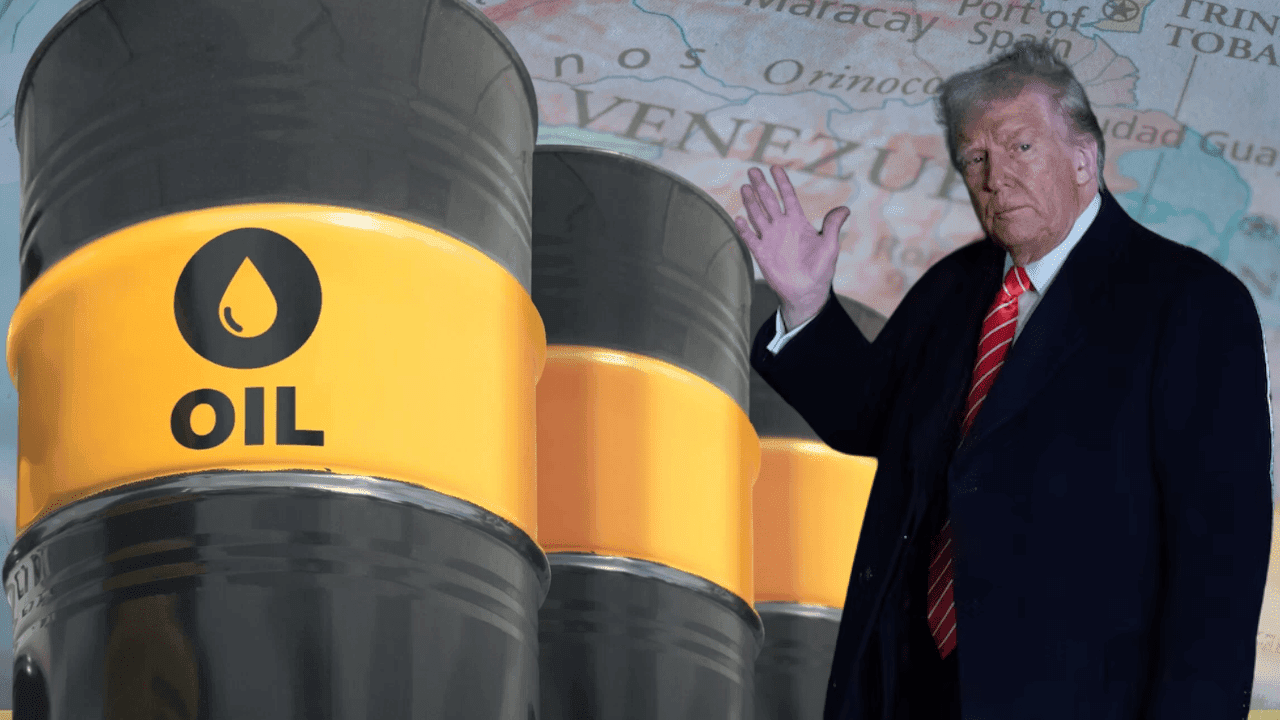
In a recent turn of events, U.S. President Donald Trump announced a reversal of prior concessions on oil imports from Venezuela that were eased under the Biden administration. This move is set to tighten global oil markets and escalate concerns over supply disruptions.
Previously, the Biden administration had provided Venezuela with a reprieve, allowing Chevron and other U.S.-based companies to engage in limited resource extraction operations after years of sanctions intended to isolate the Maduro government. However, Trump’s new directives have overturned these concessions, effective immediately, as part of a larger strategy to exert political and economic pressure on Venezuela.
The announcement has already impacted global oil prices, with Brent crude experiencing a slight increase amid fears of constrained supply networks. The revocation of exemptions has not only shaken markets but has also catalyzed a significant policy shift as the U.S. aims to reinforce its stance against the Maduro regime.
Expert opinions remain divided. Some analysts suggest that Trump’s actions could lead to greater instability in Latin America, potentially driving Venezuela toward allies like Russia or China in search of economic relief. Others see this as a strategic maneuver to push for democratic reforms within Venezuela, illustrating the complex interplay between geopolitics and global energy markets.
This policy change coincides with Trump’s broader ambitions to impose tariffs on the European Union, highlighting a growing protectionist trend in U.S. foreign policy. If implemented, these tariffs might further exacerbate the fluidity of international trade relations, particularly in the energy sector.
Ultimately, the decision underscores a significant transformation in U.S. foreign policy, one that marries economic strategies with diplomatic policies aimed at isolating and pressuring national governments that are perceived as defiant or adversarial. However, the global repercussions of such decisions remain uncertain, carrying potential ramifications for international alliances and the global economy.