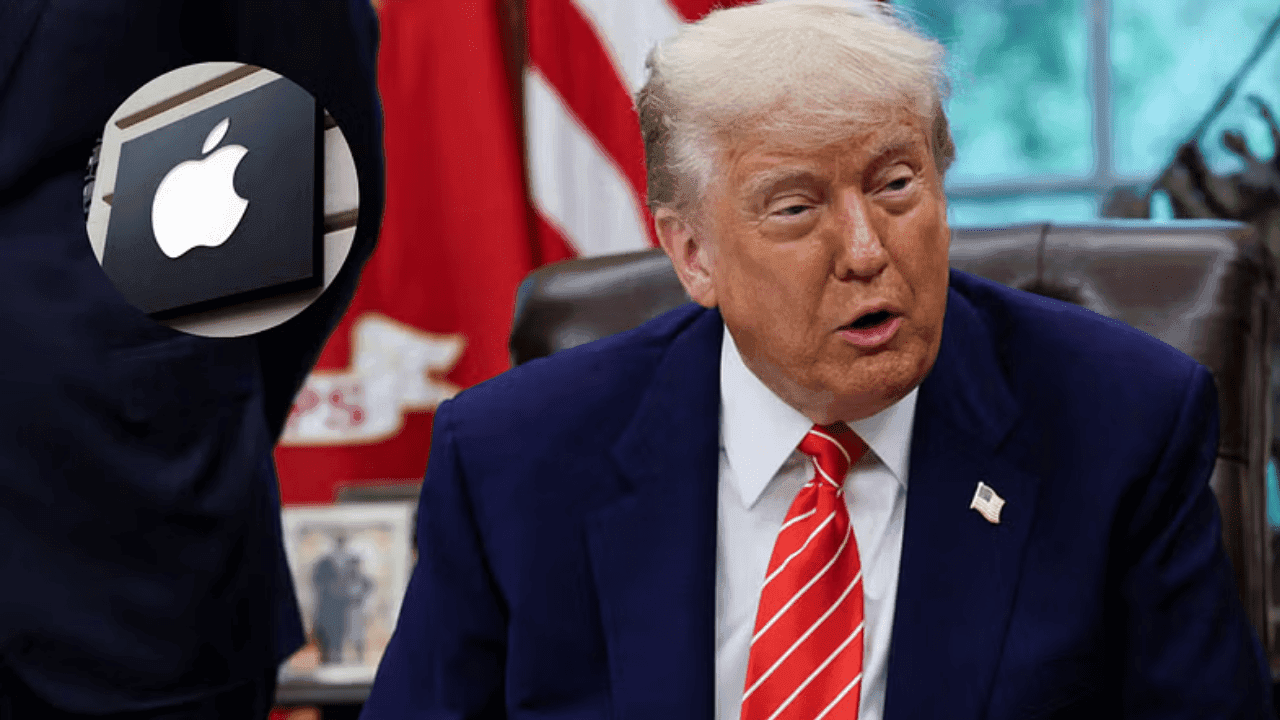
In a startling move that has captured the attention of economists and tech enthusiasts alike, President Donald Trump announced a potential 25% tariff on Apple if the tech giant does not manufacture its iconic iPhones in the United States. The announcement has sparked a debate on the implications such an action would have on the tech industry and the broader economy.
The crux of Trump’s argument lies in his longstanding campaign promise to bring jobs back to American shores. Apple’s current manufacturing processes are predominantly rooted in China, a strategic decision influenced by cost efficiency and established supply chain networks. Shifting production to the United States could drastically alter Apple’s pricing structure due to increased labor costs and potentially disrupt the availability of iPhones in the market, influencing consumers globally.
Economists weigh in on the possible repercussions of this tariff threat. While some applaud the push for domestic production, citing potential job growth and economic revitalization in manufacturing sectors, others warn of the short-term disruptions that could ensue. The vulnerability of global supply chains, already highlighted by the pandemic, stands as a poignant reminder of the balance tech companies maintain between operational costs and market demands.
From a geopolitical perspective, the move might also further strain U.S.-China relations. As China hosts Foxconn, the primary manufacturer of Apple’s products, a significant reshuffling of production facilities could echo throughout international markets, affecting not only Apple but also companies reliant on similar supply chain structures.
In assessing the feasibility of such a transition, experts cite that significant investments would be required to build the necessary infrastructure in the U.S. Moreover, there are concerns over whether the American workforce is currently equipped or sufficient in scale to handle the production volumes Apple demands.
Historically speaking, such protective measures have had mixed results. The steel tariffs imposed by Trump during his presidency did see a momentary boost in domestic production but eventually led to cost increases for industries reliant on steel imports, suggesting that similar price hikes could occur in consumer electronics if comparable tariffs are enacted.
Despite the uncertainties, this development has reignited conversations about the role of major corporations in national economic strategies. As tech companies like Apple navigate these politically charged waters, the decision will likely shape the business landscape for years to come, defining how global operations can align with local economic policies.