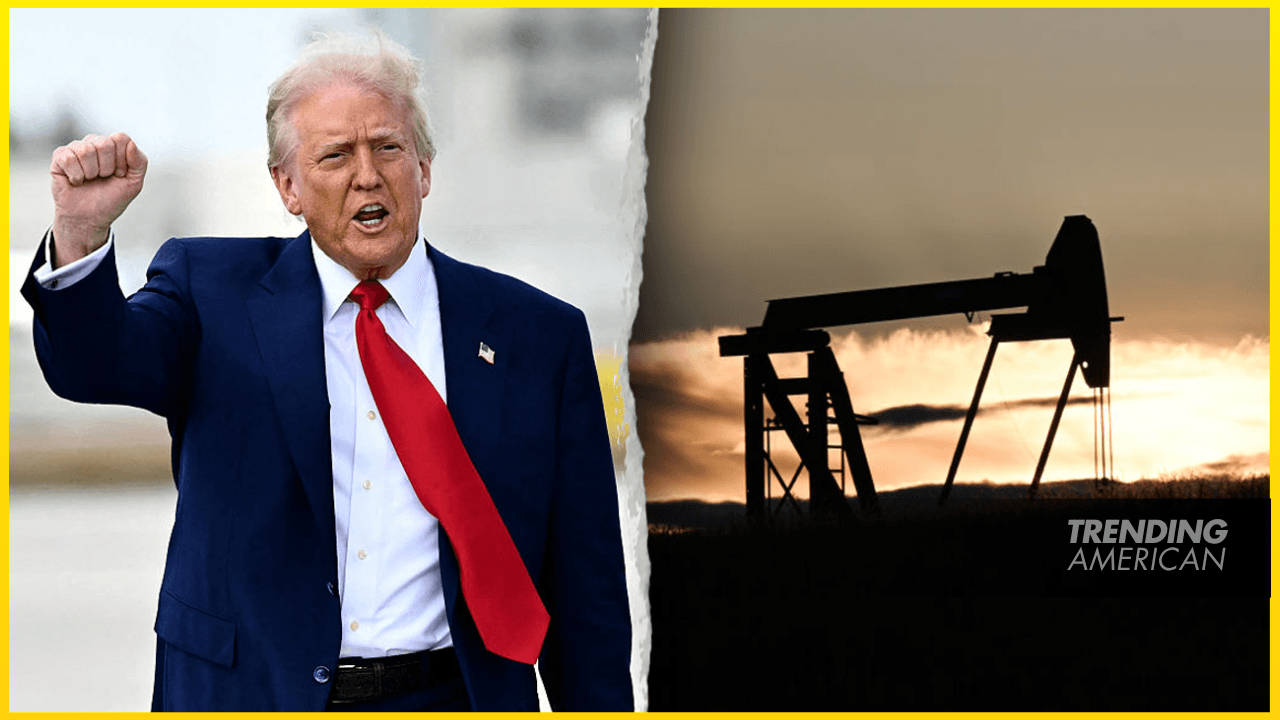
The Trump administration took a controversial step by reversing Biden-era oil and gas drilling limits in Alaska, opening over 10 million acres of the National Petroleum Reserve to new development. This move, finalized on November 13, 2025, aims to enhance domestic energy production, create jobs, and bolster American energy security.
Interior Secretary Doug Burgum emphasized that the change aligns with President Trump’s vision to unlock Alaska’s energy potential and provide economic benefits to North Slope communities. Alaska Governor Mike Dunleavy hailed it as a positive move for the state’s resource-rich future.

However, economist Robert Reich criticized the decision, pointing to the heavy influence of oil lobbying in government circles, with major companies like ConocoPhillips, ExxonMobil, and Chevron standing to benefit. He described the political maneuver as a ‘return on investment’ for energy firms, which have invested heavily in political campaigns.
Support from the Alaska Native group, Voice of the Arctic Inupiat, paints a more complex picture; their regional tax revenues are critical for funding healthcare and education, showcasing a blend of environmental and economic interests.
This unfolding scenario draws a sharp line between energy independence and environmental stewardship, leaving both political and public opinion starkly divided as oil prices continue to climb.
Disclosure: We may earn a commission when you make a purchase through the ads.