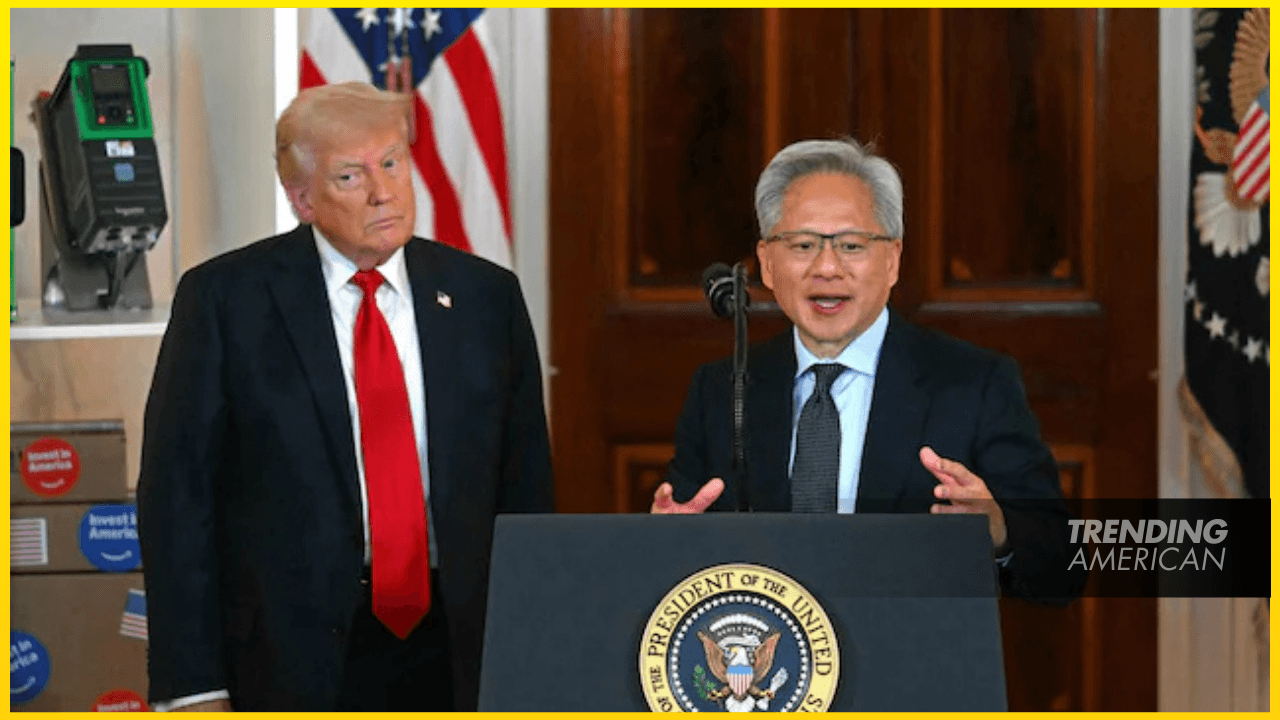
Washington — In a notable pivot in how the United States governs advanced AI exports, President Donald Trump approved Nvidia’s plan to ship its H200 AI chips to a tightly defined set of Chinese buyers, the White House confirmed on December 8–9, 2025. The decision reverses a more restrictive export posture and comes after months of lobbying by Nvidia’s leadership and industry groups that argue such chips are essential for maintaining American AI competitiveness and supporting domestic jobs.
What is being allowed remains tightly controlled. Nvidia’s H200 chips will be eligible for export only to “approved customers” in China, with eligibility and the terms of sale defined by forthcoming regulatory guidance. The Department of Commerce will vet prospective buyers to ensure they meet security and reliability standards, and shipments will proceed only under strict authorization and monitoring. In an unusual twist noted by officials, the agreement may include a revenue-sharing mechanism intended to fund domestic priorities, though the precise formula and scope have not been publicly disclosed.

Why now? The administration frames the move as a calculated balance between safeguarding national security and preserving U.S. leadership in AI technology, while ensuring the United States remains a critical supplier for global AI development. Nvidia has argued that access to the Chinese market is vital for its business and for maintaining American innovation ecosystems, particularly as production and research partnerships expand globally. The decision also reflects ongoing strategic calculations amid competition with China and the need to manage complex supply chains and rare-earths dynamics.
Security and strategic implications are at the center of the debate. While export controls are easing for certain high-grade chips, the arrangement includes vetting and ongoing oversight. Analysts warn that expanding AI chip access to China could alter the balance of military AI capabilities and has the potential to shape congressional debates about security, ethics, and governance in AI-based warfare and surveillance.
For Nvidia and its investors, the move opens access to a massive Chinese market that could bolster revenue in the near term. However, the possible revenue-sharing terms and U.S. governmental involvement in domestic funding could affect margins and investor sentiment, with traders watching for how the market reacts to the policy’s risk-reward profile.
China’s technology sector could benefit from access to advanced AI hardware, accelerating domestic AI development and the pace of innovation. At the same time, the decision intersects with broader supply-chain considerations—particularly around critical minerals and the global semiconductor ecosystem—adding fuel to ongoing market and policy debates about how best to coordinate technology governance between the United States and China.
The policy move marks a turning point in AI export governance: a measured relaxation intended to preserve competitiveness while maintaining safeguards. Regulators say more details will follow as guidelines are finalized, and advocates on both sides of the aisle are expected to scrutinize the policy closely in the coming months as the U.S. accelerates negotiations over supply chains and tech collaboration with China.”
Disclosure: We may earn a commission when you make a purchase through the ads.