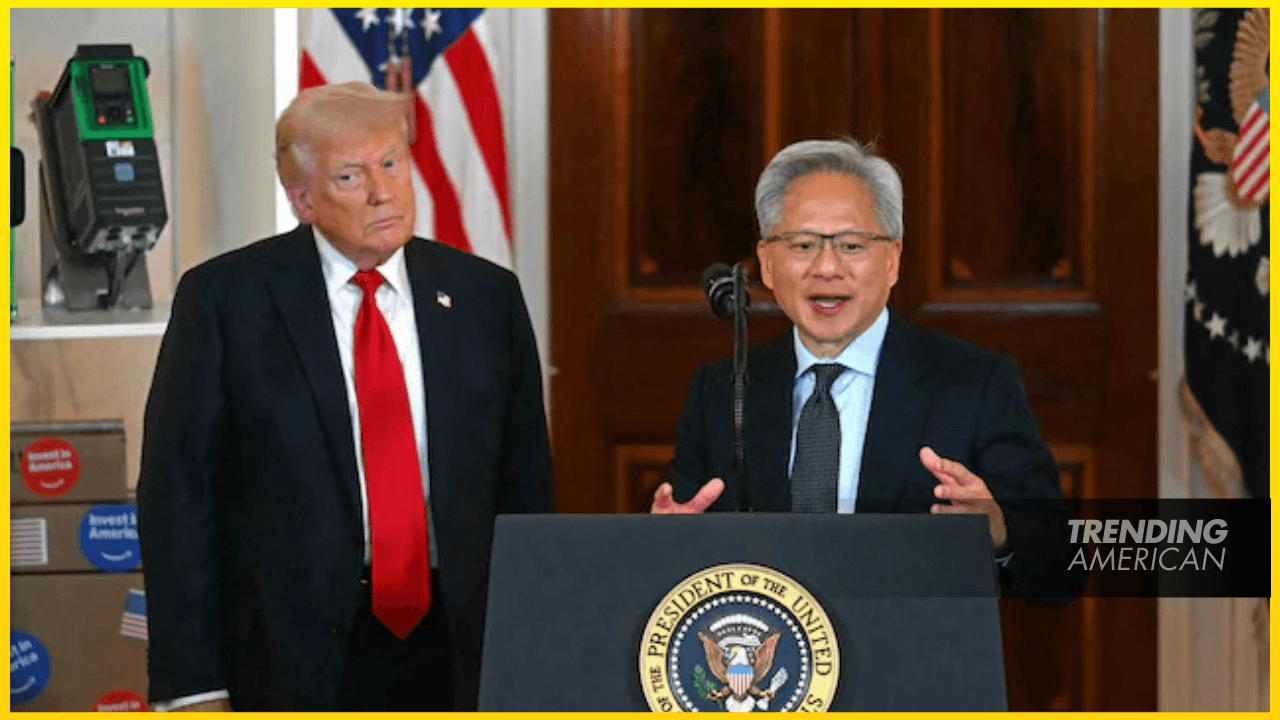
US President Donald Trump announced on social media that Nvidia will be allowed to export its H200 AI chips to approved customers in China, ending what had effectively been a ban. The Department of Commerce will vet sales, a process Nvidia said would ensure a balance between security, American jobs, and maintaining U.S. leadership in AI. The H200 chip sits a generation behind Nvidia’s top Blackwell processor and is not expected to be part of the deal themselves; the focus is on controlled access to the H200 for select Chinese buyers.
The decision follows months of lobbying by Nvidia CEO Jensen Huang and comes amid a broader push to recalibrate export controls for US chipmakers. In public statements, Trump suggested that the United States would take a cut of the sales—some reports indicate 15%, while he himself claimed 25% of Chinese revenues would go to the U.S. government—though the exact mechanism remained to be finalized by the Commerce Department.
Nvidia welcomed the move, saying the arrangement would support American jobs and manufacturing while allowing China access to high-quality AI chips. AMD also offered praise for what it called a thoughtful approach to export controls that would keep U.S. companies competitive globally.
The accord is likely to provoke debate in Congress. Critics warn that easing access to advanced AI chips could bolster China’s AI and military capabilities, while supporters argue it buys time for broader discussions on supply chains and strategic dependencies, including rare-earth minerals critical to modern electronics.
Analysts suggested that granting limited sales could help China test and develop AI applications while the U.S. seeks to preserve leverage in tech diplomacy. The broader context remains a balancing act: preserving national security and American jobs, maintaining leadership in AI, and engaging Beijing in ongoing talks on technology and supply-chain resilience.
Disclosure: We may earn a commission when you make a purchase through the ads.