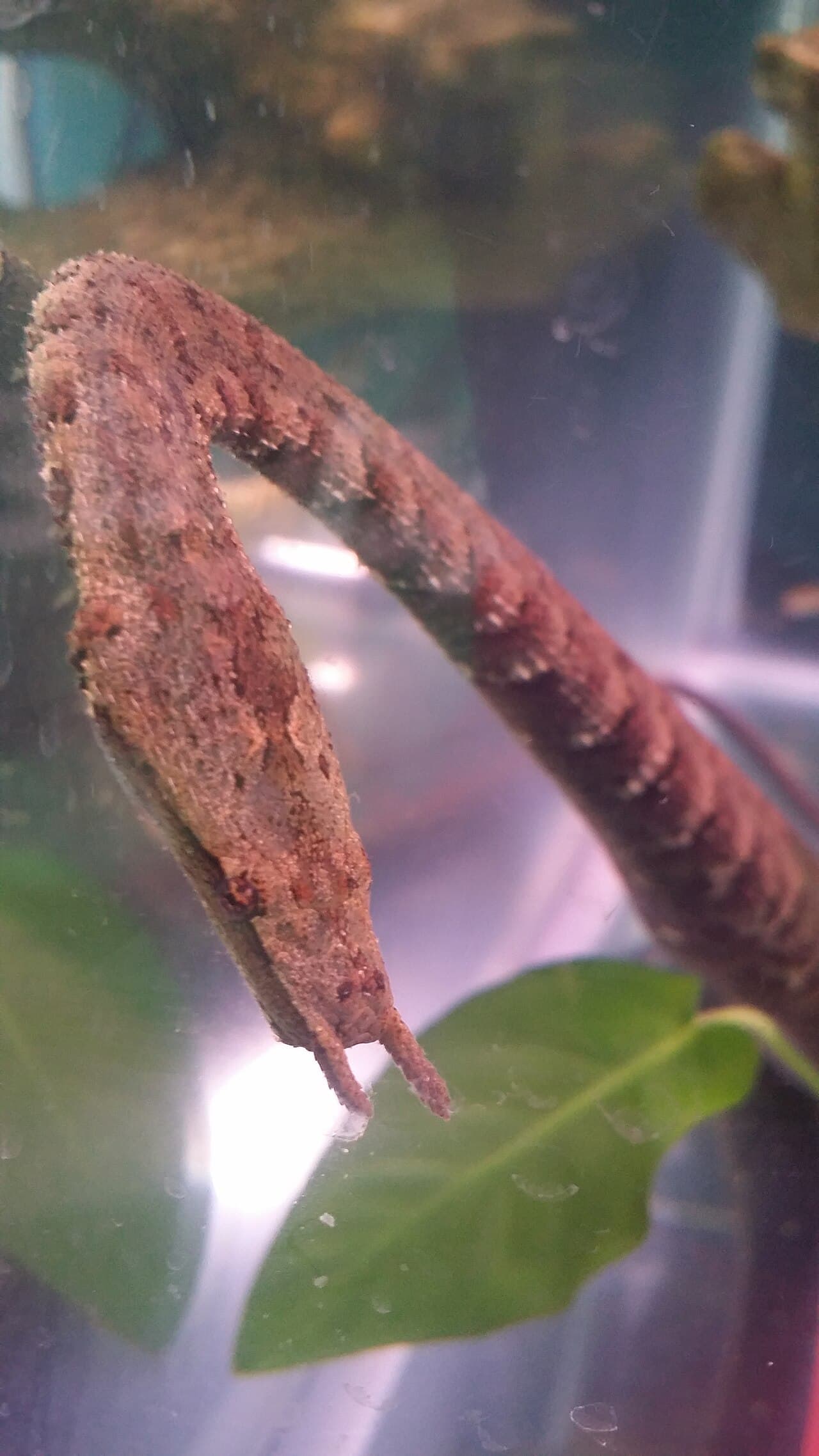
A fish darts away from danger—and straight toward a snake's mouth. The tentacled snake can use a fish's own escape reflex to make that surprising outcome possible.
This underwater hunter has more going for it than the two short tentacles projecting from its snout.
A strange shape in the water
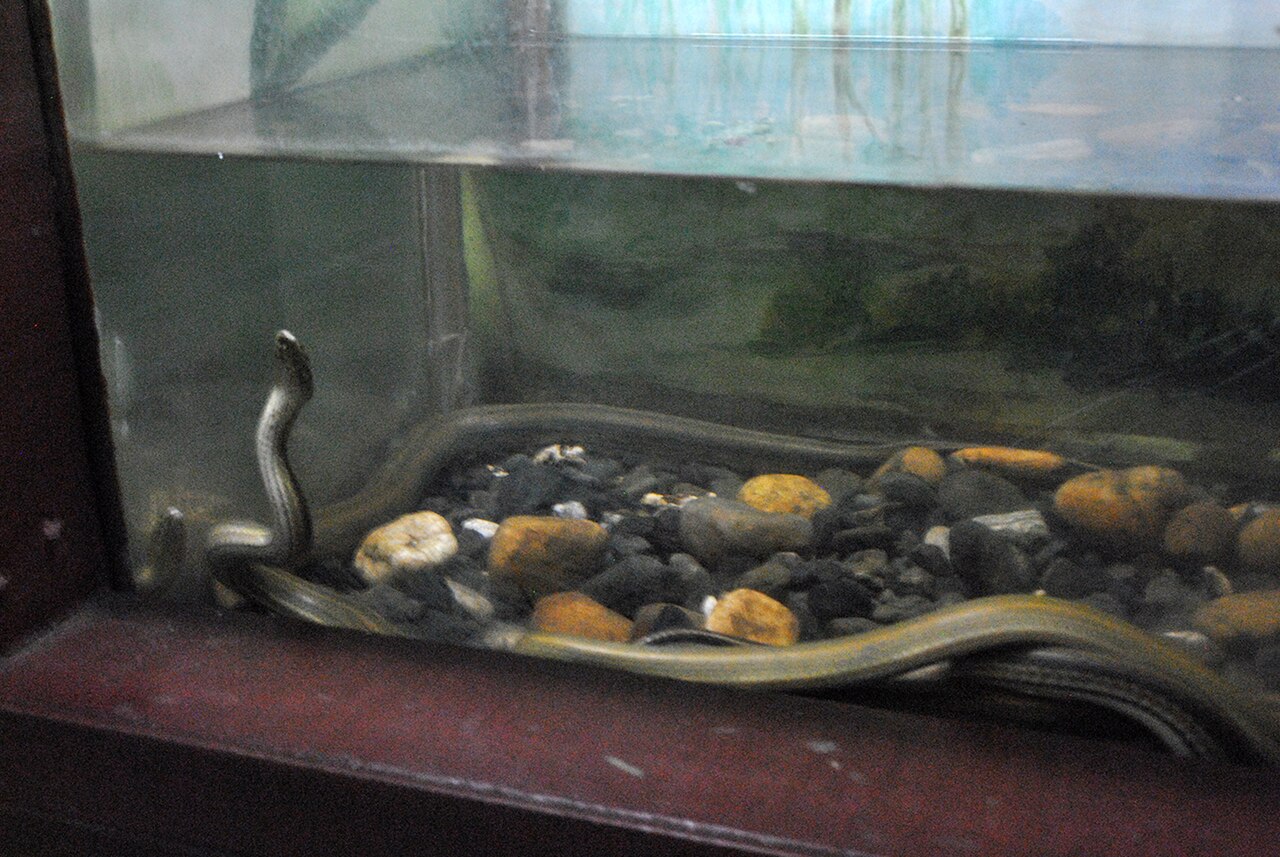
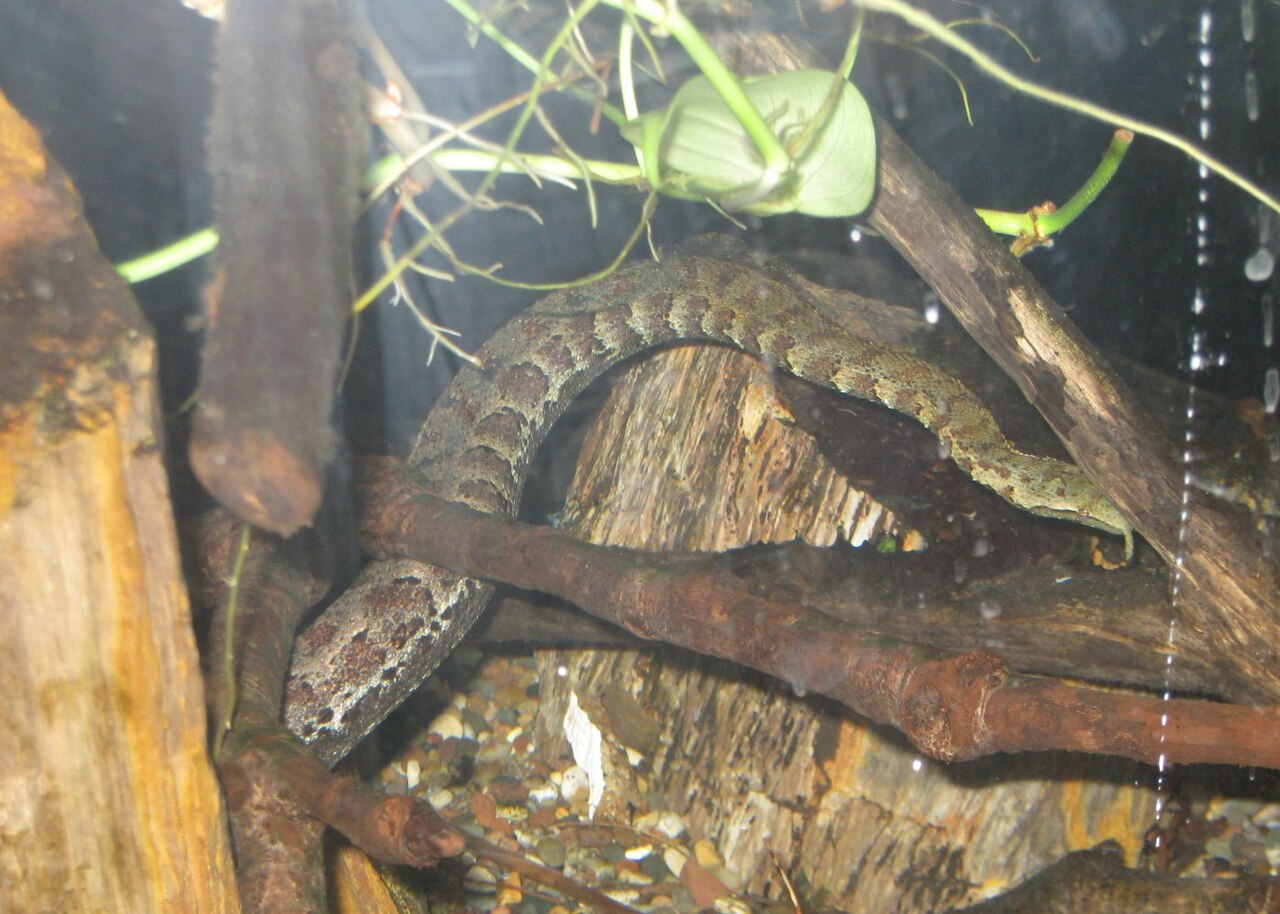
The tentacled snake, Erpeton tentaculatum, is an aquatic snake from Southeast Asia. When hunting, it can hold its body in a curved, J-like position, with its head directed toward the space inside the bend.
It may remain still while a fish approaches. The sudden action begins with a movement farther along the snake's body.
Turning a reflex into a trap
Vanderbilt University's account of Kenneth Catania's research explains the sequence captured with high-speed video.
A body feint startles the fish. Its rapid escape turn can carry its head toward the snake. The snake's strike anticipates where the fish will go, rather than simply following where it was.
This is a finely timed interaction between predator and prey, revealed by slowing down an event that happens too quickly for our eyes.
Looking beyond an unusual face
The paired tentacles give this snake an instantly recognizable appearance. Its hunting behavior offers an even deeper surprise.
At Amazing Nature, creatures like this remind us that an ordinary-looking stretch of water can hold extraordinary action. Sometimes discovering nature's cleverest interactions requires looking closer—and watching a little more slowly.
Photo credits
Featured image: Tentacled Snake 1.jpg — Jlamarch; CC0.

Body image 1: Erpeton tentaculatum in Pata Zoo 1.jpg — B20180; CC BY-SA 4.0.

Body image 2: Tentacled Snake at Zoo.jpg — Ruby 1x2; Public domain.

Photographs resized for web display where available.