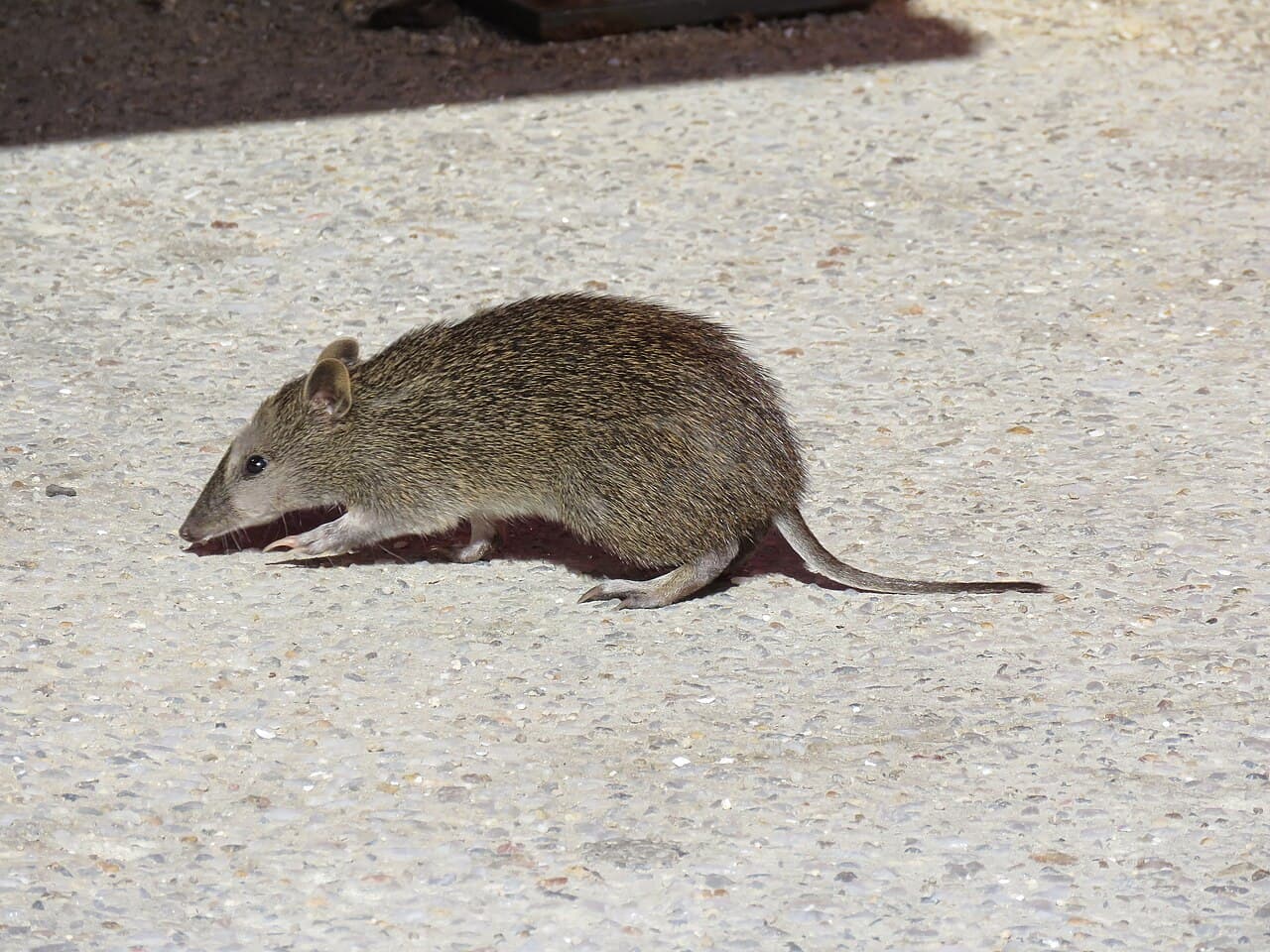
A quenda digging for dinner can help change the soil beneath an entire patch of bushland. Its small feeding pits turn over earth, create places for water to enter, and help move fungi through the landscape.
This busy mammal is Isoodon fusciventer, a bandicoot from southwestern Western Australia. It is a marsupial, even though a quick glimpse of its rounded body may lead someone to mistake it for a rat.
How to recognize a quenda
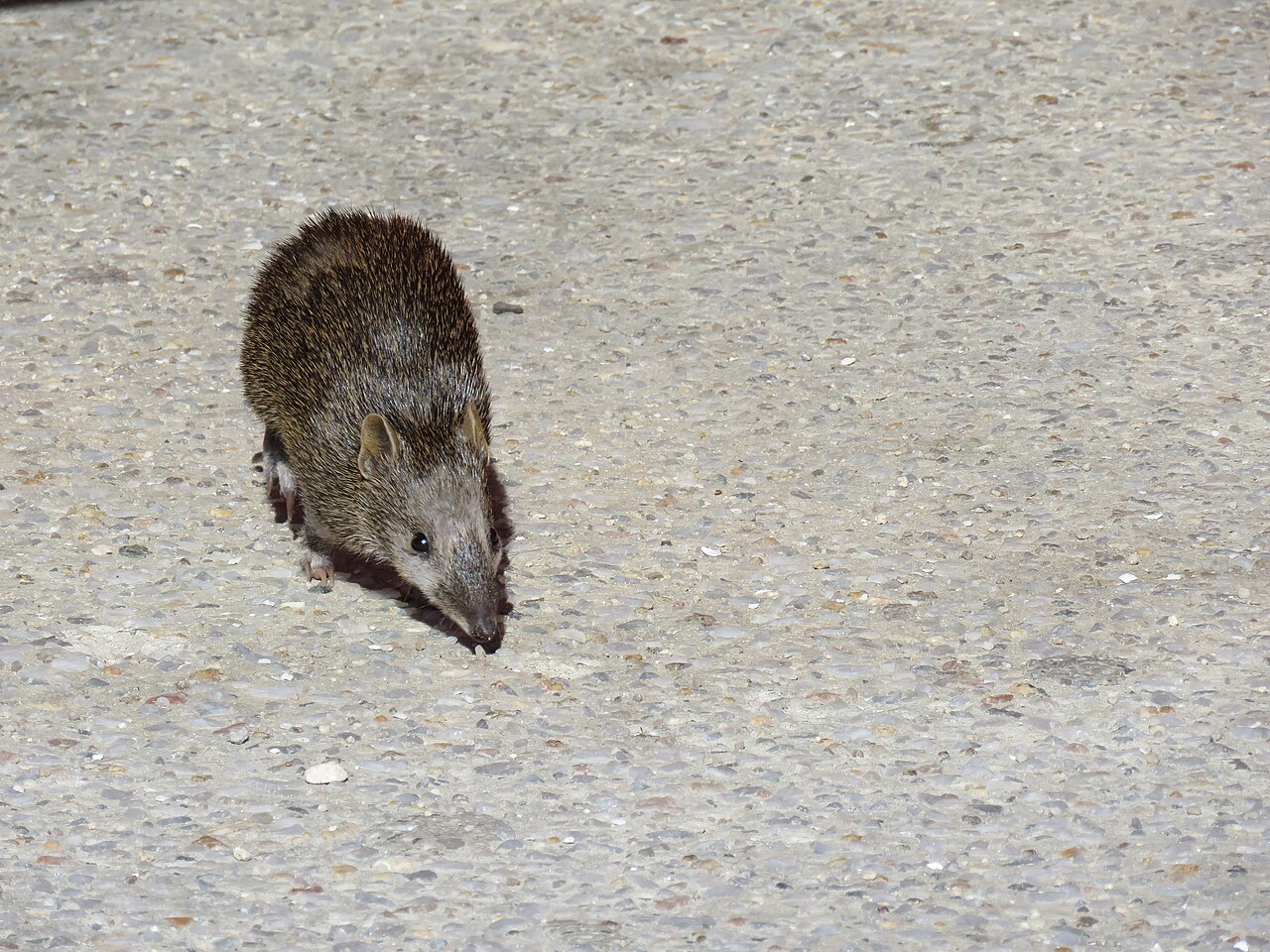
Look for a long pointed nose, a stocky body, coarse fur, and a short tail. The nose helps give the animal its characteristic low, searching outline.
Whiteman Park describes quendas using wetlands, heathlands, and woodlands. They are particularly active around evening, although people can also see them during daylight.
The name quenda comes from Noongar language and is also sometimes spelled kwenda.
A meal with benefits for the soil
Quendas dig for food such as small invertebrates and fungi. Those feeding movements disturb the ground in ways that can benefit the wider habitat.
Murdoch University research found that fungal spores passed through a quenda's gut could still germinate and colonize seedling roots.
These are mycorrhizal fungi: fungi that form useful relationships with plant roots. A quenda does not set out to plant a forest, but its ordinary feeding can help keep ecological processes moving.
Healthy vegetation supports the digger
The relationship works in both directions. Plants give quendas shelter, while quendas help shape the soil.
A recent Murdoch University study linked plant disease to reduced habitat quality and lower quenda digging activity in jarrah forest.
That is a useful reminder that protecting an animal may require protecting the plants around it too.
Making room for a native neighbor
Clearing, fire, roads, and introduced predators can threaten quendas. Dense cover offers refuge in a landscape shared with people.
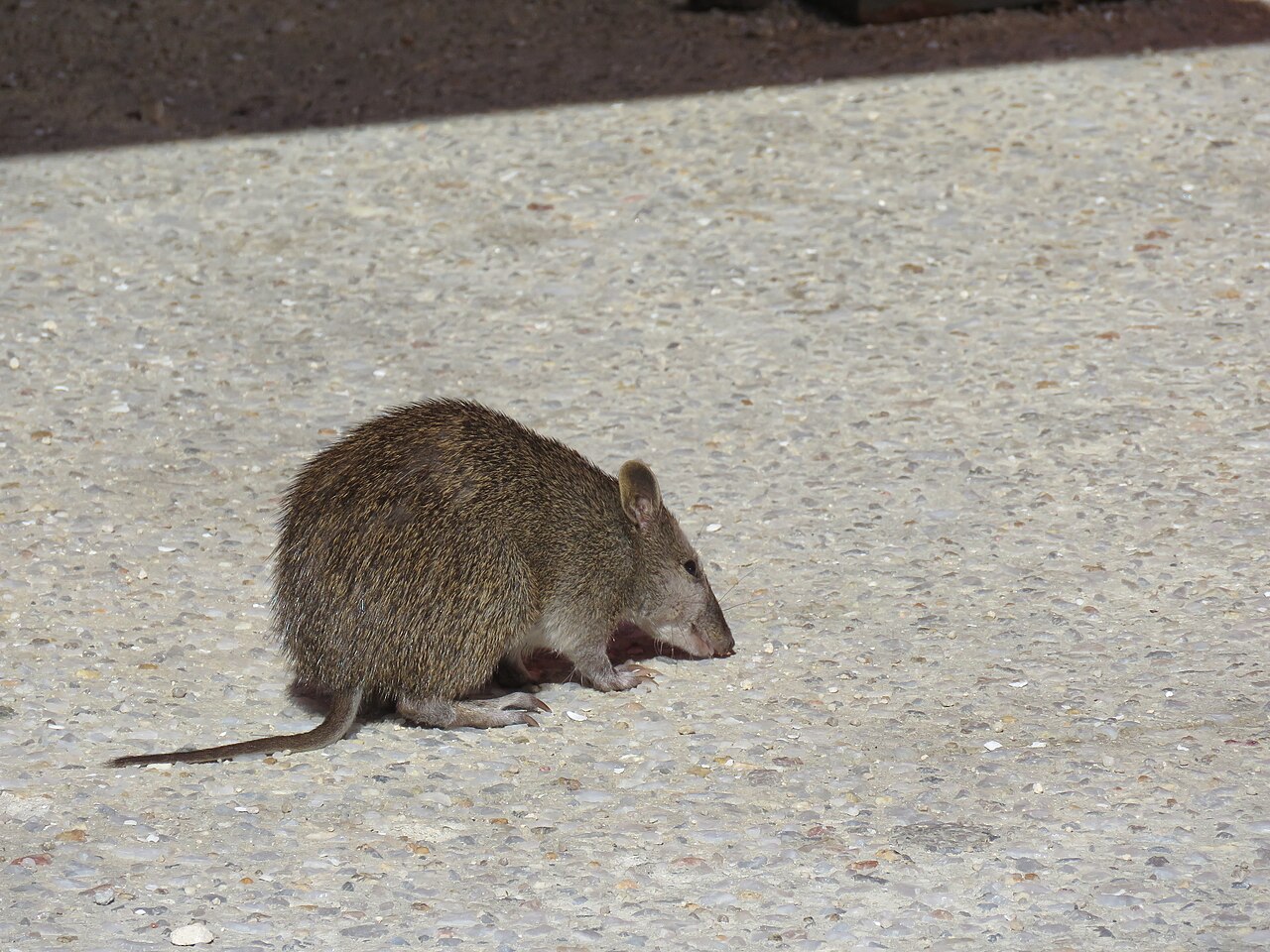
The photographs show a quenda near a picnic area. Human food scraps are not the natural diet described here; leaving wildlife to forage naturally is the better way to appreciate it.
A pointed nose in the leaf litter may look like a small detail. Follow what it does, and a story about soil, fungi, plants, and a remarkable native mammal comes into view.
Photo credits
Featured image: Quenda (Isoodon fusciventer) in North Coogee, Western Australia, July 2024 01.jpg — Calistemon, CC BY-SA 4.0.

Body image 1: Quenda (Isoodon fusciventer) in North Coogee, Western Australia, July 2024 02.jpg — Calistemon, CC BY-SA 4.0.

Body image 2: Quenda (Isoodon fusciventer) in North Coogee, Western Australia, July 2024 03.jpg — Calistemon, CC BY-SA 4.0.

Photographs resized to up to 1,280 pixels wide for web display.