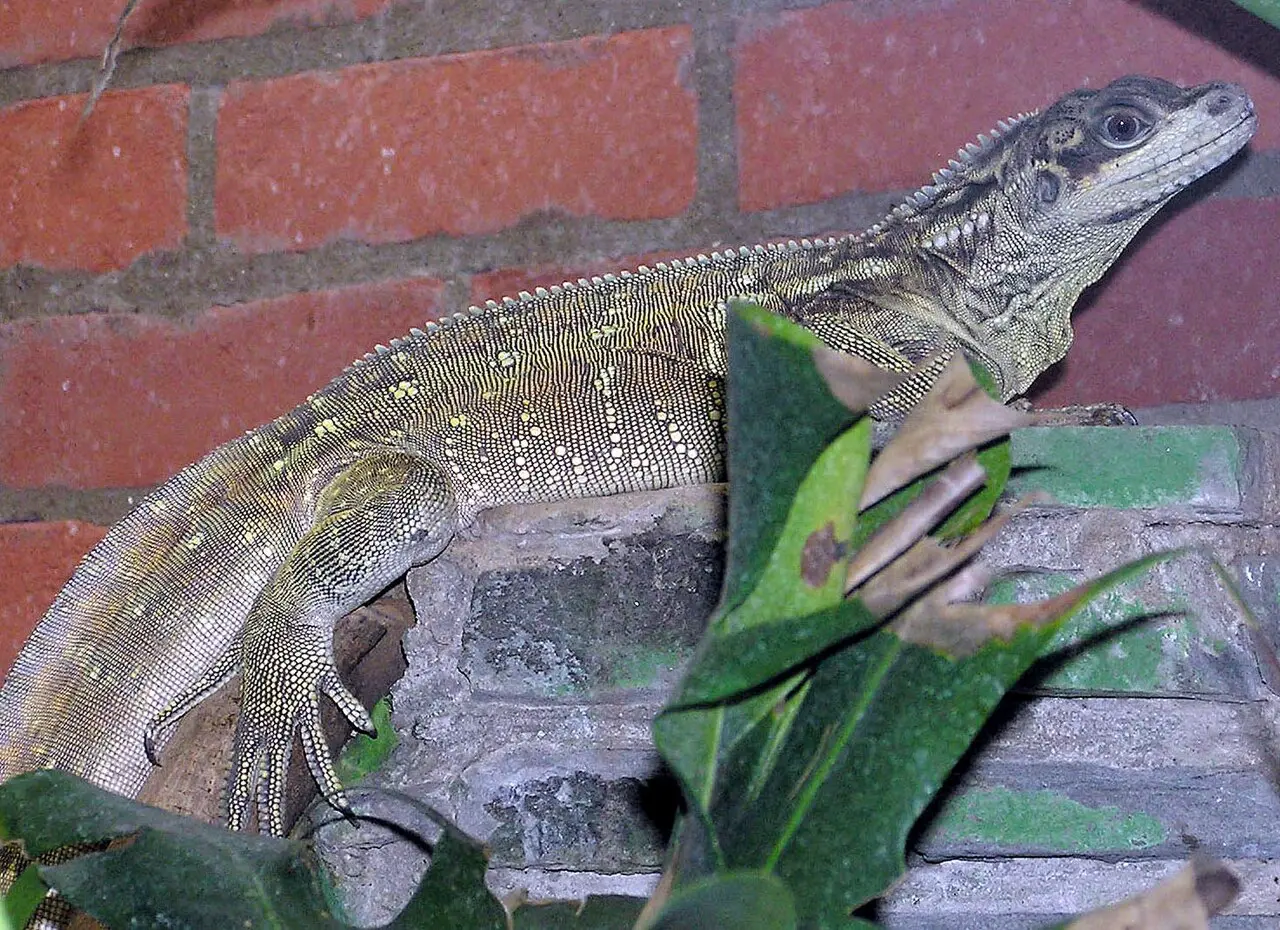
A tall crest rises from the base of a Philippine sailfin lizard's tail like a small sail. On a large male, that unusual outline can make an already impressive reptile look even more dramatic.
This is Hydrosaurus pustulatus, a species native to the Philippines. Its extraordinary shape belongs to a real animal of tropical forests and waterways.
Where does the sail begin?
The most striking sail sits along the tail, behind the body. Smaller pointed scales form a crest around the head and back, adding to its rugged appearance.
The sail is especially noticeable in males. It is worth looking carefully at photographs: young animals and females do not always show the towering profile people expect.
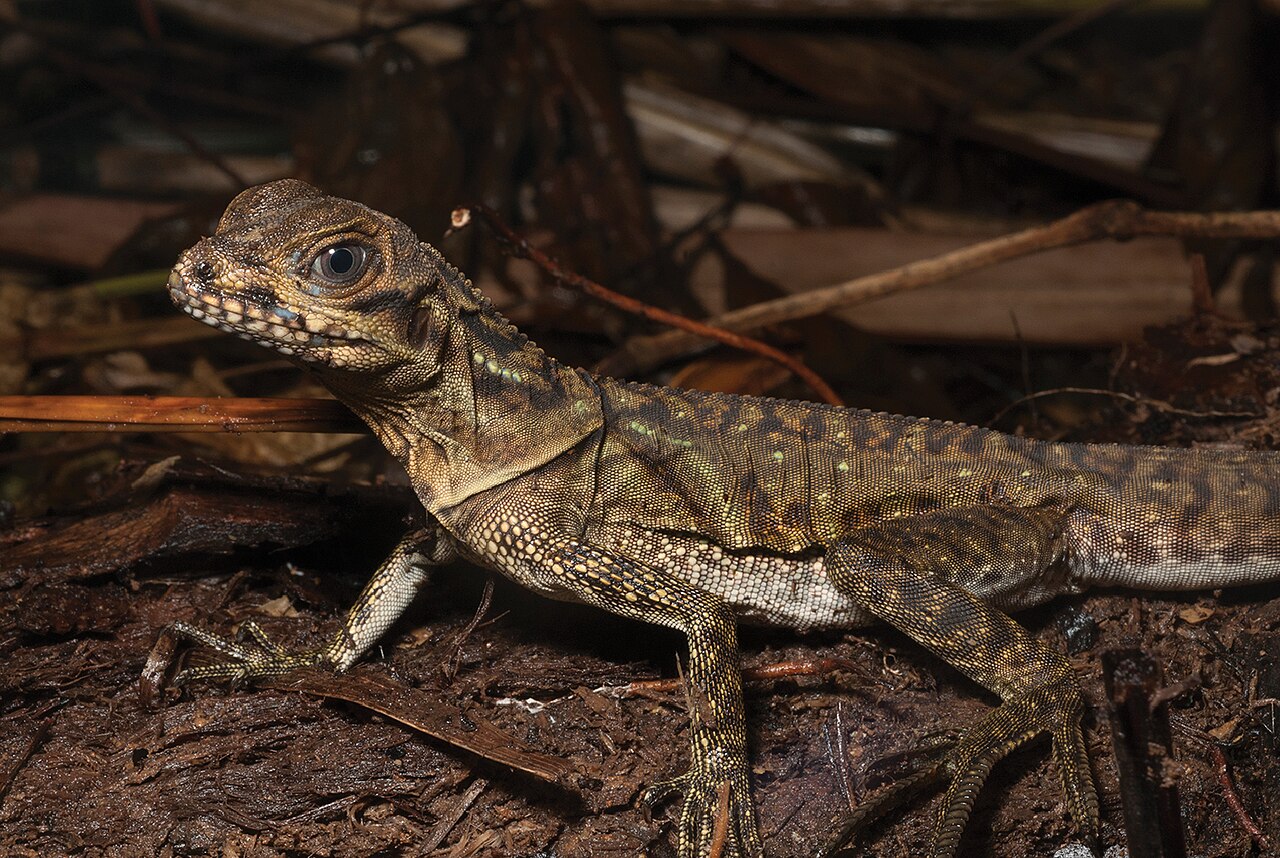
A forest life close to water
Philippine sailfin lizards use trees near water. Branches over a river or stream provide places to rest above the surface, while the water below offers another part of their living space.
Their diet includes both plants and animals. Oregon Zoo describes a varied menu, while Dudley Zoo explains their distinctive tail sail and forest habitat.
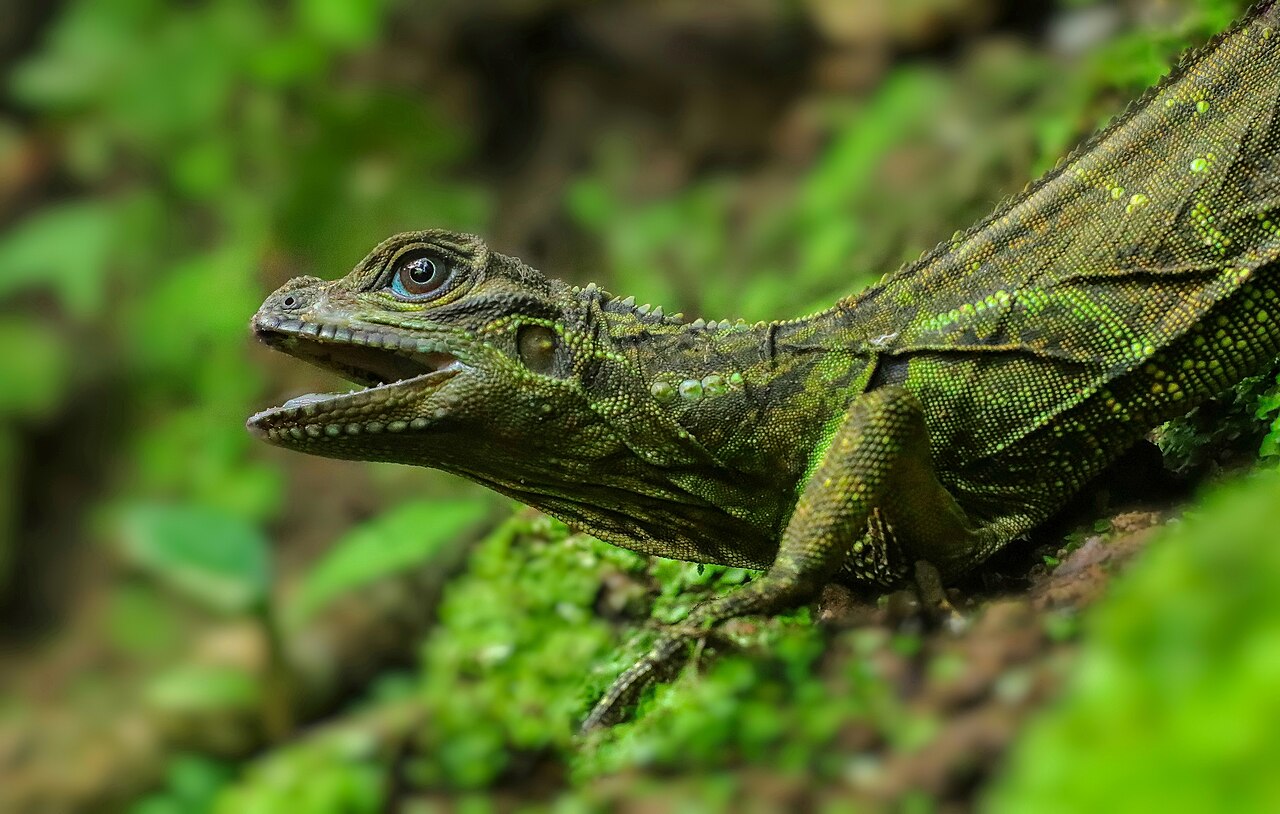
An island reptile worth protecting
Forest cover and healthy riverbanks matter to the future of these lizards. Keeping connected natural areas gives wildlife places to feed, shelter, and move.
The Philippine sailfin lizard makes a wonderful introduction to the country's reptile diversity. Its tail sail may catch our attention first, but the richer story is the living landscape around it—trees, water, and an island animal perfectly worth a second look.
Photo credits
Featured image: Philippines.sailfin.lizard.arp.jpg — Adrian Pingstone; Public domain.

Body image 1: Hydrosaurus pustulatus, Burauen, Philippines.jpg — Rafe M. Brown; CC BY 4.0.

Body image 2: Juvenile Philippine sailfin lizard.jpg — Kramthenik27; CC BY-SA 4.0.

Photographs resized for web display where available. Existing crops are identified in their source filenames; captive animals and landscape context are identified in the captions.