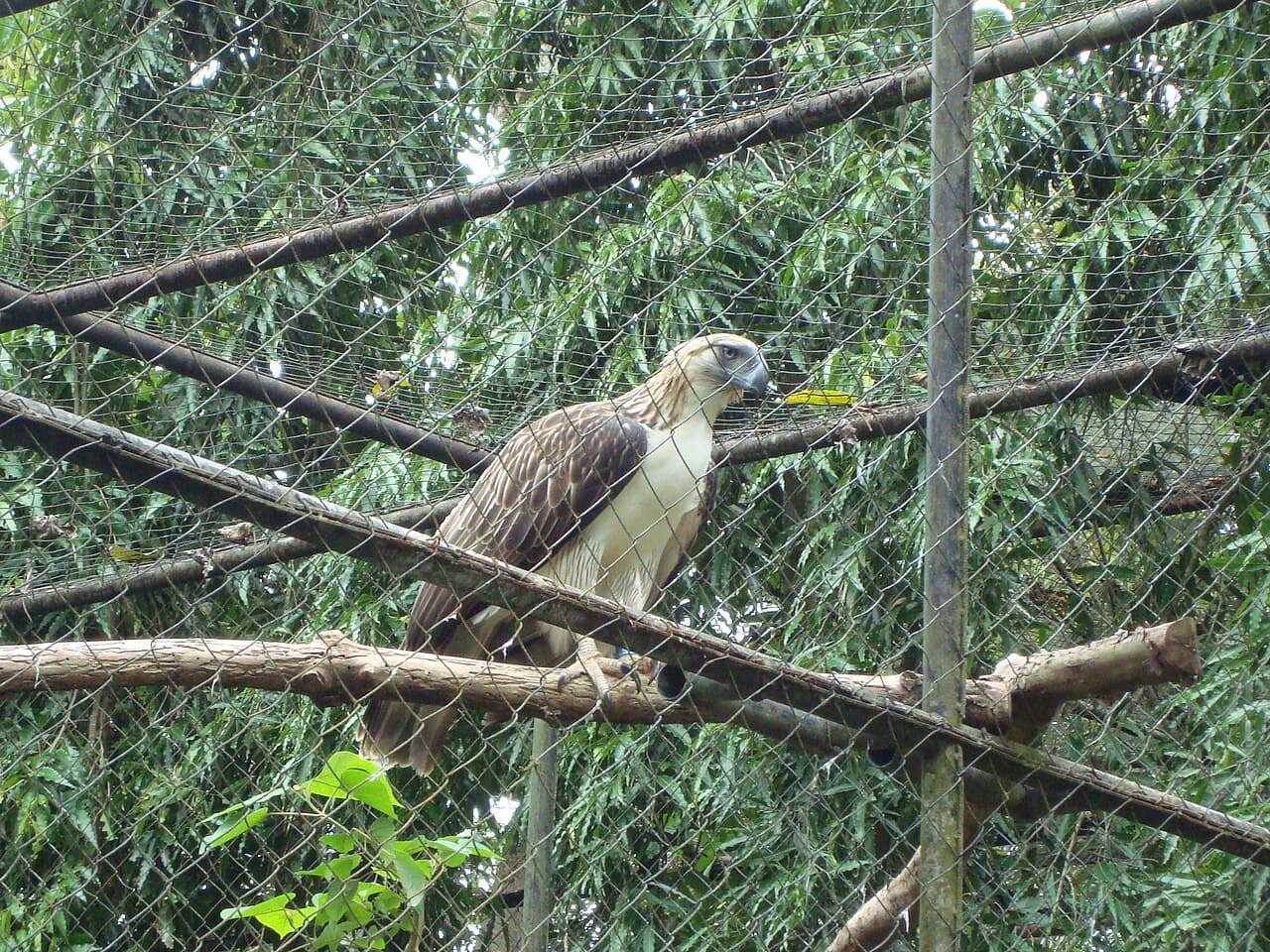
The Philippine eagle's long crown feathers frame its head like a shaggy mane. Behind that unforgettable face is a forest predator found naturally only in the Philippines.
Pithecophaga jefferyi is the country's national bird and one of the world's great forest eagles.
A large bird needs a large living landscape
The Philippine Eagle Foundation's species profile describes a rare raptor dependent on forest.
Its prey includes different forest animals. The older “monkey-eating eagle” name gives a narrower impression than the full diet warrants.
A crest makes an individual easy to recognize. Habitat determines whether that individual can find enough food and shelter.
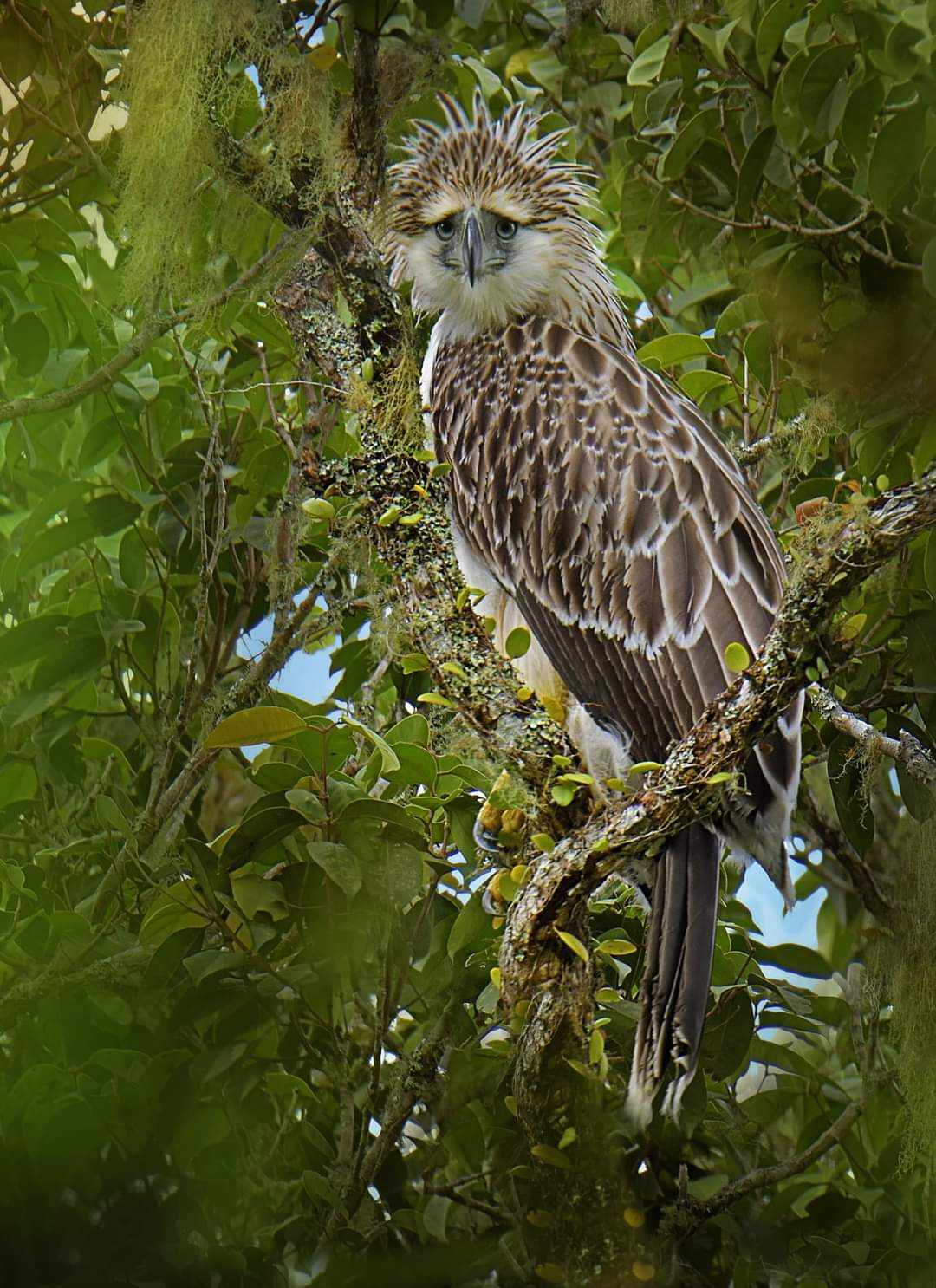
Slow reproduction raises the stakes
Philippine eagles invest heavily in raising a youngster. Replacing lost breeding adults is not a quick process.
Protecting established pairs and nesting areas matters alongside care for injured or rescued birds.
A photograph taken at a conservation center can bring people close to the species while drawing attention back to its wild habitat.
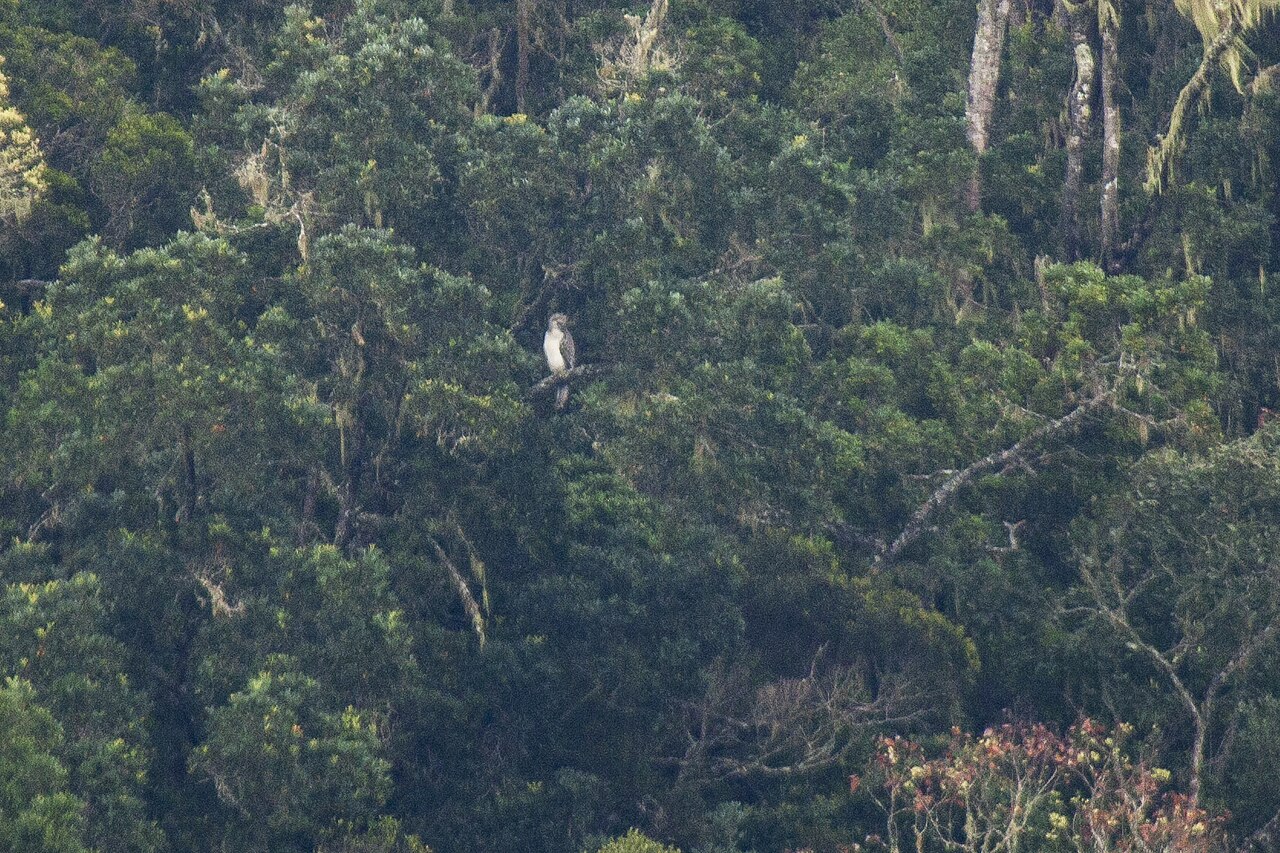
Protection reaches beyond the nest
Forest loss and human-caused deaths remain concerns. The foundation also documents danger from electrical infrastructure.
Conservation combines safe habitat, research, community work, and responses to specific hazards.
The Philippine eagle's crown may introduce the bird. Its lasting importance lies in the living forest around it—and the choices that allow future eagles to grow there.
Photo credits
Featured image: Pithecophaga jefferyi -Philippine Eagle Center, Davao City, Philippines-8a.jpg — Constantine Agustin from Manila, Philippines; CC BY-SA 2.0.

Body image 1: Pamarayeg IIIx2.jpg — Aimee Valencia; CC BY 4.0.

Body image 2: Pithecophaga jefferyi, Mindanao, Philippines 1.jpg — Francesco Veronesi from Italy; CC BY-SA 2.0.

Photographs resized for web display where available.