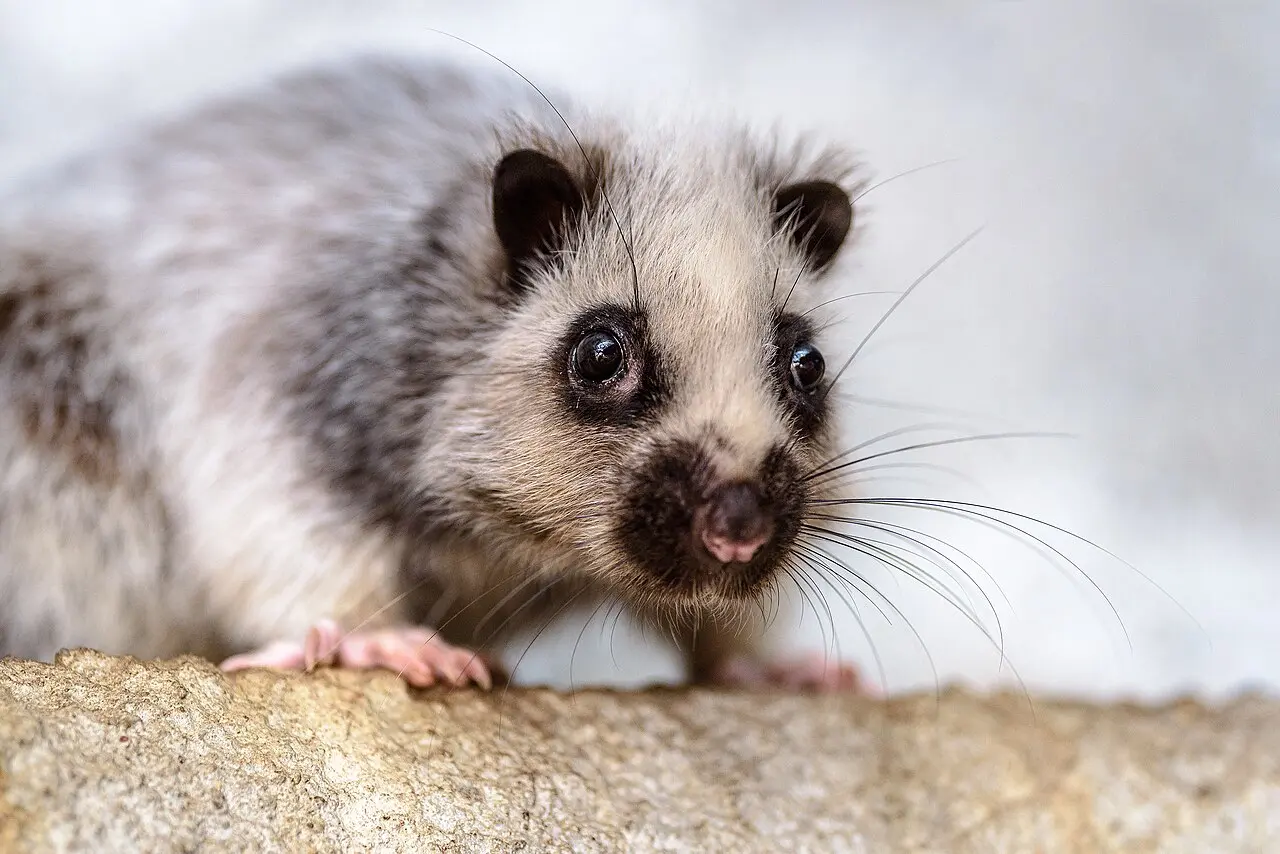
A rat with a shaggy pale coat, dark markings, and a densely furred tail can look unlike the animal its name brings to mind. The northern Luzon giant cloud rat is a striking reminder of how varied rodents can be.
Phloeomys pallidus lives only on Luzon in the Philippines. Its home is especially associated with the island’s northern and central areas.
Climbing into another world
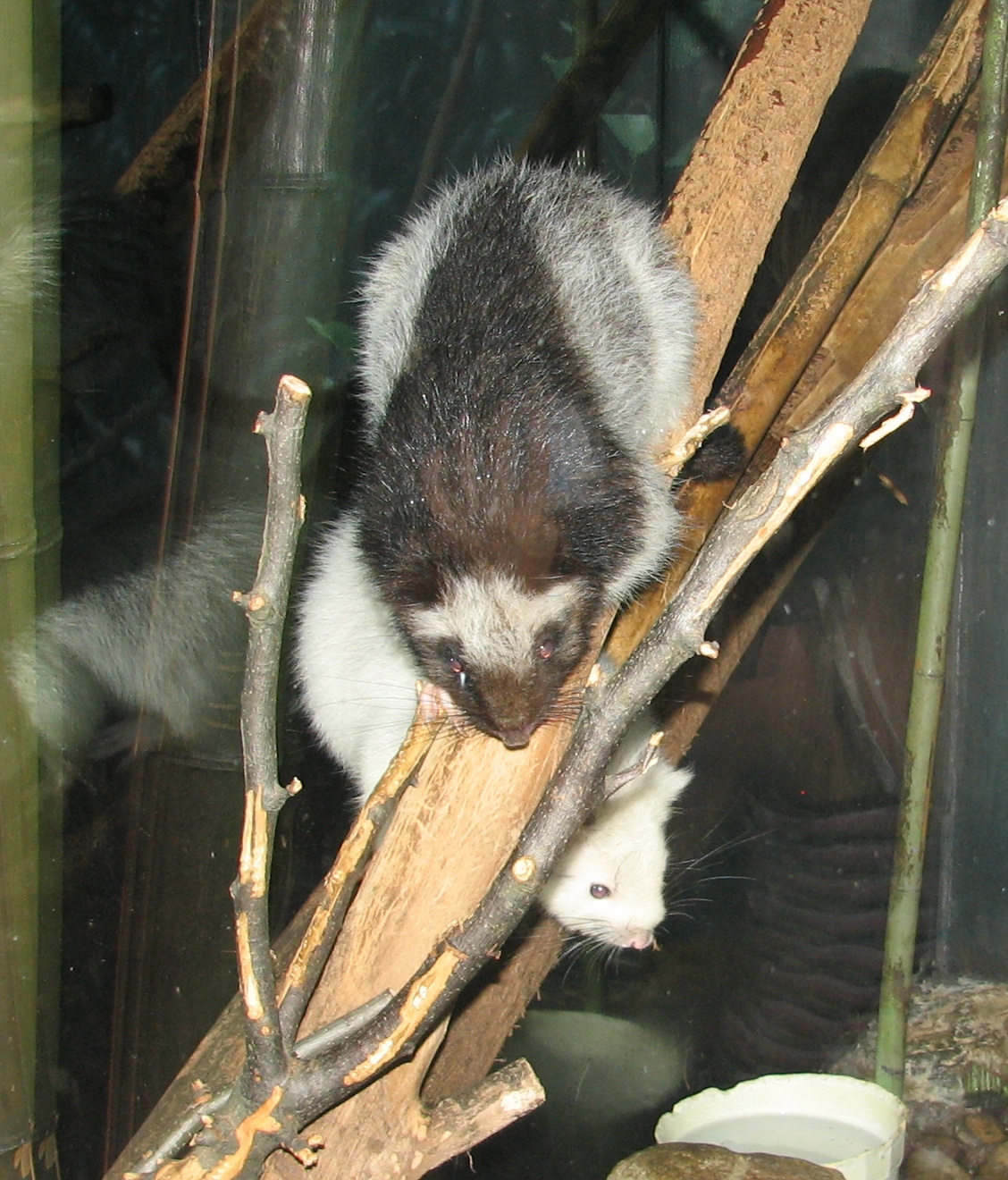
The Smithsonian’s National Zoo describes large hind feet and long claws that make this cloud rat an excellent climber.
It spends much of its time in trees, though it also moves along the forest floor. A branch can be a route, a resting place, or part of the search for food.
A familiar name, an unfamiliar animal
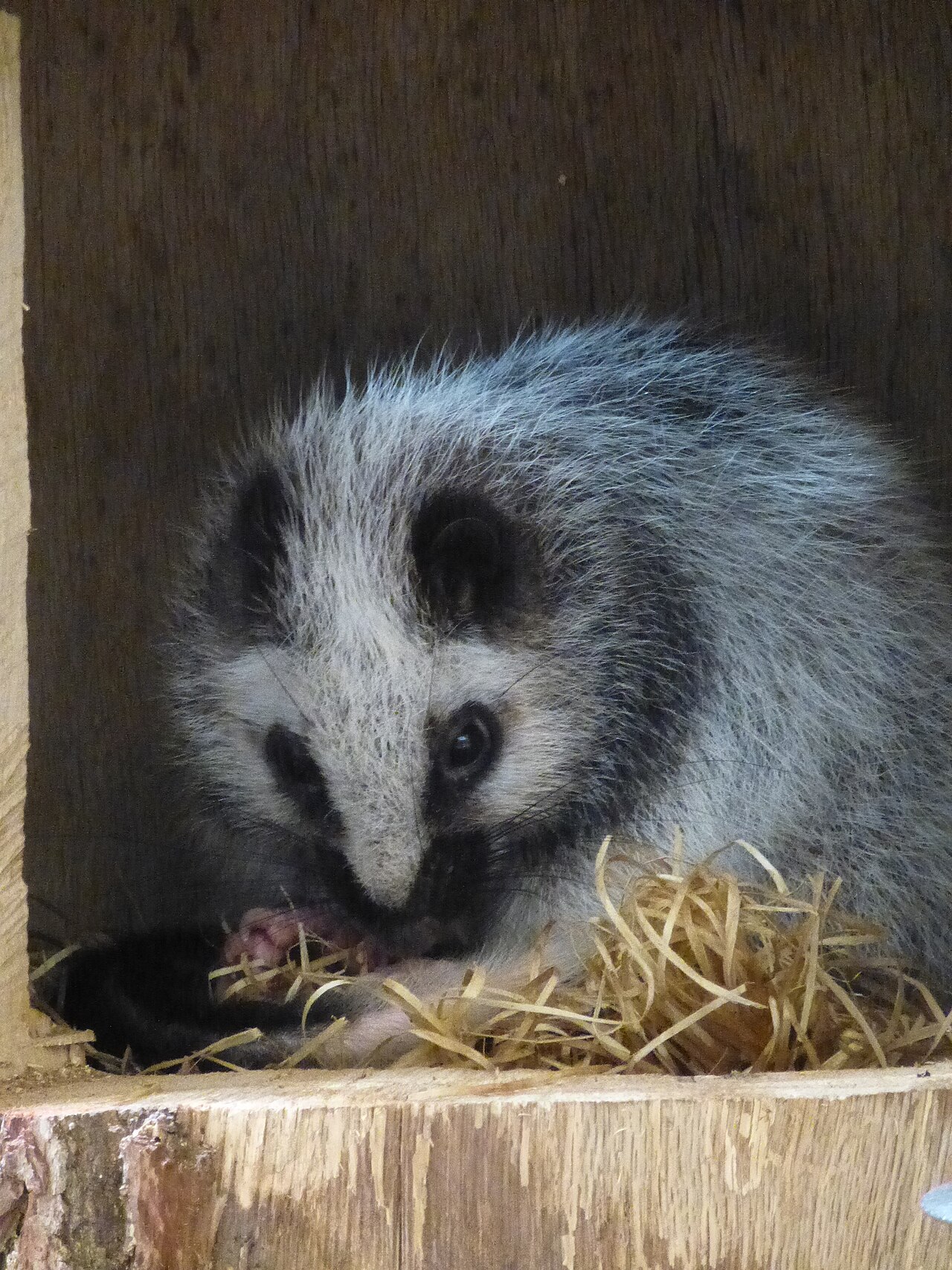
Long whiskers, small ears, and a rough, thick-looking coat give the cloud rat a distinctive face and silhouette. Markings vary between individuals.
Its wild diet is not fully understood. Young leaves, fruit, and crops are thought to be among its foods, so a precise menu should not be presented as settled fact.
Protecting a forest resident
Forest destruction and hunting place pressure on populations. Protected areas help preserve some of the habitat this endemic animal needs.
The cloud rat’s story invites a fresh look at an often-dismissed group. A rodent can be a quiet forest climber with an extraordinary coat—and an important part of the natural heritage of one Philippine island.
Photo credits
Featured image: Velemyš obláčková zoo praha 1.jpg — Petr Hamerník; CC BY-SA 4.0.

Body image 1: Slender-tailed Cloud Rat.jpg — Ltshears; CC BY 3.0.

Body image 2: Phloeomys pallidus-adulte-Ménagerie du Jardin des Plantes de Paris 01.jpg — Salix; CC BY-SA 4.0.

Photographs resized for web display where available. Captive animals and contextual habitat photographs are identified in their captions.