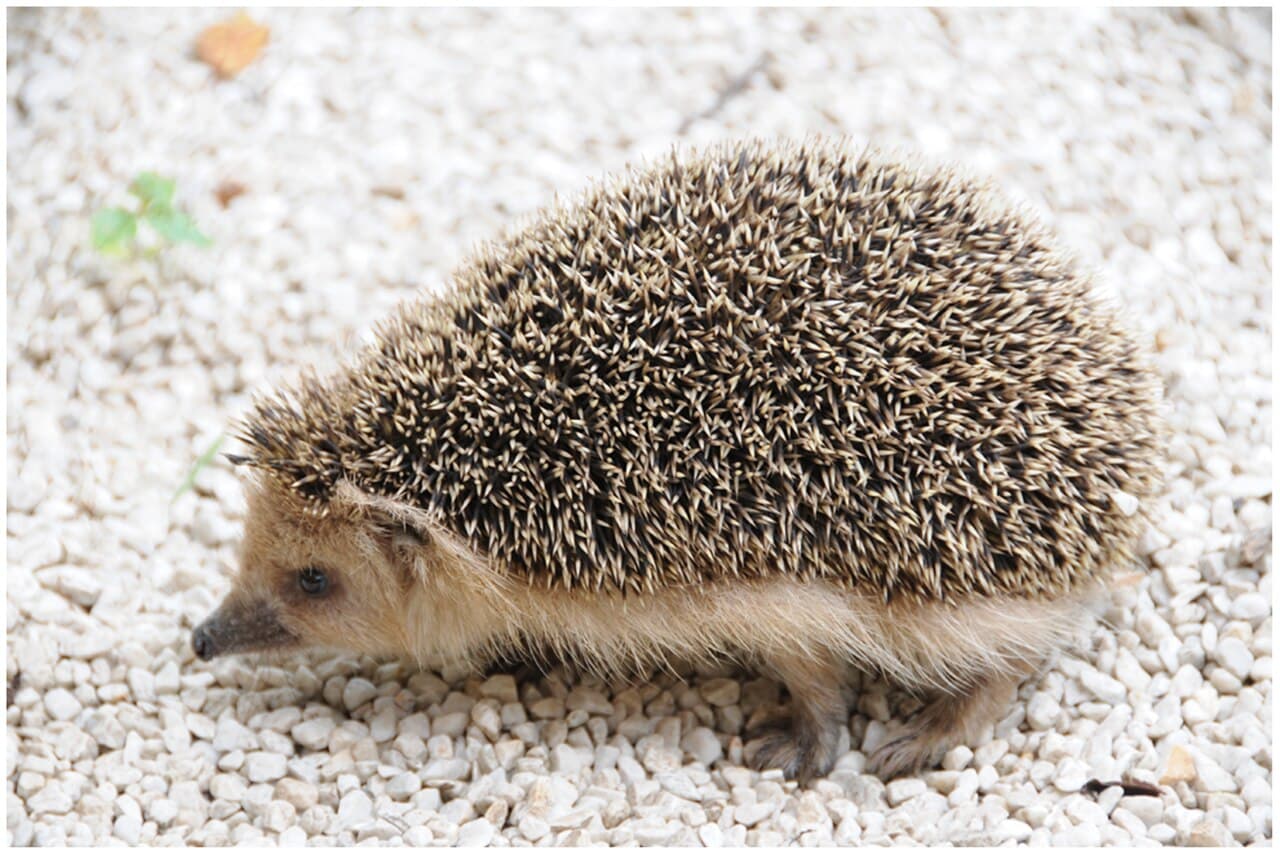
A hedgehog resting beneath a shrub may travel much farther than its daytime hiding place suggests. Researchers tracking Daurian hedgehogs in Mongolia found that these small animals used surprisingly extensive home ranges.
Mesechinus dauuricus lives in parts of Mongolia, southern Siberia, and northern China. Its spiny outline belongs to a wild landscape of steppe, shrubs, and rocky shelter.
Following a secretive neighbor
A field study at Ikh Nart Nature Reserve followed eight radio-tagged hedgehogs before hibernation. Their daytime nests were often beside rocky outcrops or at the bases of shrubs.
For an animal that can vanish into cover, radio tracking opens a window into movements that casual observation would miss.
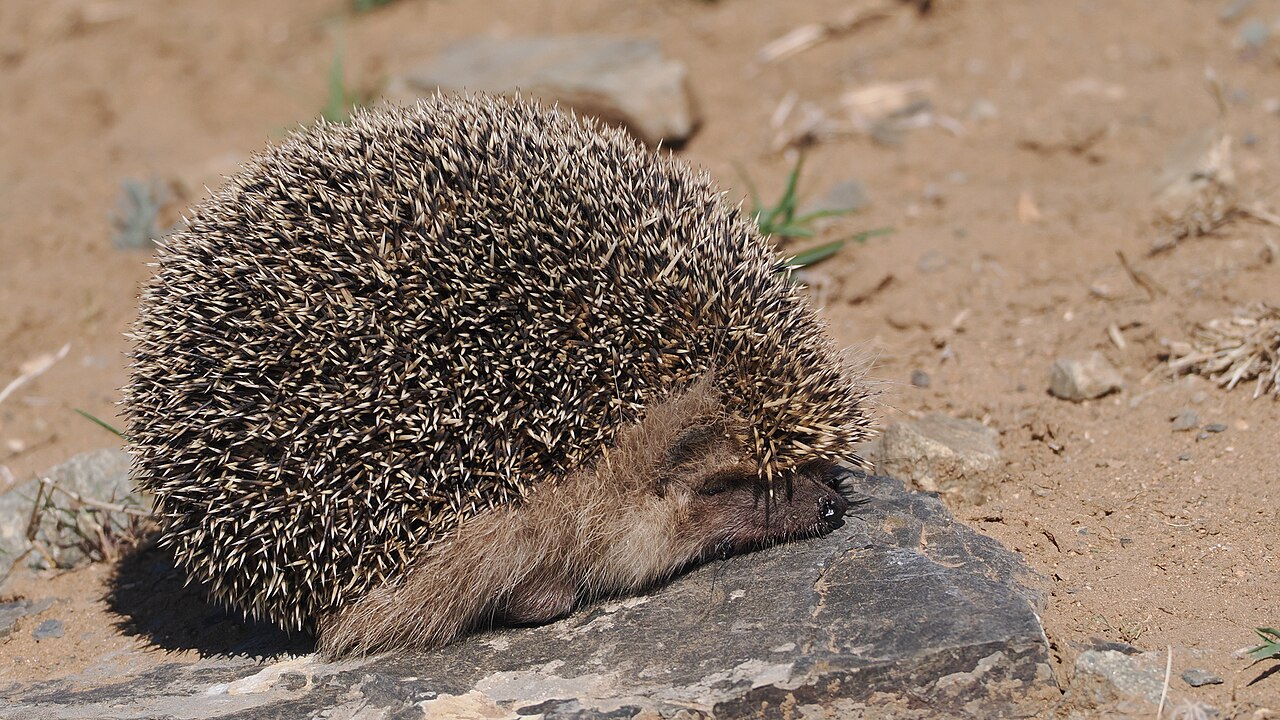
What does a steppe hedgehog eat?
The researchers examined droppings for clues. Beetles, cockroaches, and grasshoppers were the most frequent prey groups recorded.
Those findings describe one study population, rather than an identical menu everywhere. They show how small, often overlooked invertebrates support a much more conspicuous mammal.
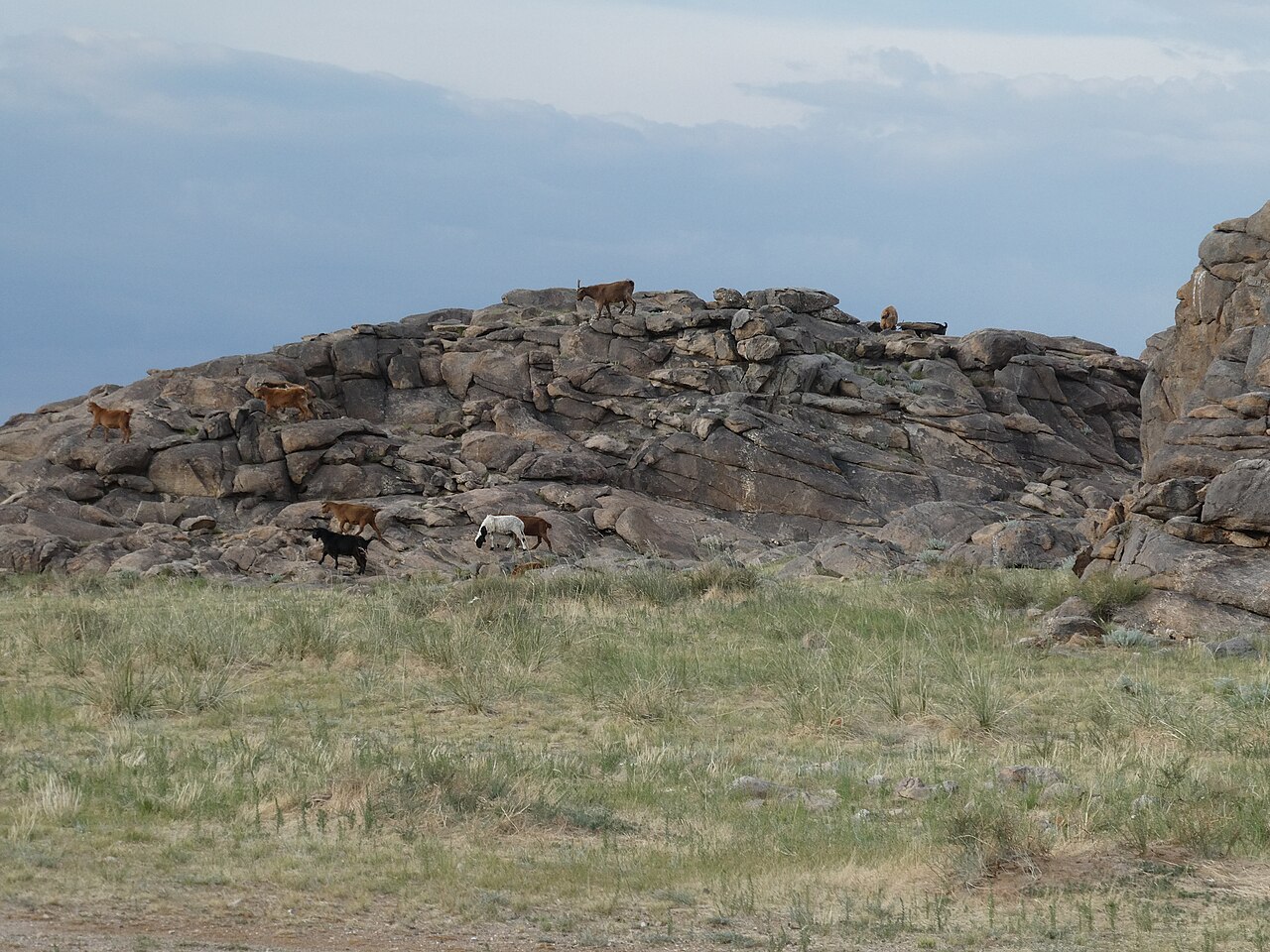
A landscape worth keeping intact
San Diego Zoo Wildlife Alliance identifies mining, livestock grazing, and poisons aimed at rodents among pressures on Daurian hedgehog habitat.
Protecting a hedgehog therefore means thinking beyond its nest. Feeding grounds and safe routes between shelters matter too.
The next patch of scrub may look empty in daylight. After dark, it can become part of a spiny traveler’s much larger world.
Photo credits
Featured image: Daurian Hedgehog (Mesechinus dauuricus).tif — Kai He, Jian-Hai Chen, Gina C. Gould, Nobuyuki Yamaguchi, Huai-Sen Ai, Ying-Xiang Wang, Ya-Ping Zhang, Xue-Long Jiang; CC0.
Body image 1: Daurian Hedgehog 529707166.jpg — no rights reserved; CC0.

Body image 2: Granitfelsen im Ikh-Nart-Schutzgebiet, Mongolei II.jpg — GerritR; CC BY-SA 4.0.

Photographs resized for web display where available. Captive animals and contextual habitat photographs are identified in their captions.