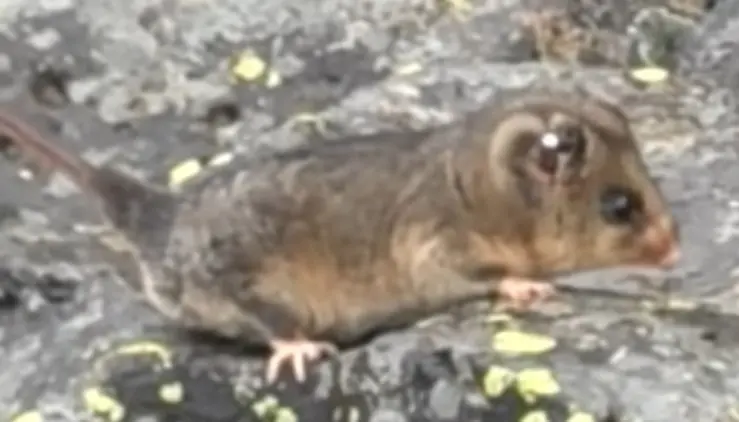
A tiny marsupial can spend months hibernating beneath snow. The mountain pygmy possum makes its winter home among alpine rocks, where the world above may be cold, white, and silent.
Burramys parvus was known from fossils before a living animal was found at Mount Hotham in 1966. Its rediscovery turned a presumed lost mammal into an urgent conservation story.
A winter hidden among boulders
Zoos Victoria describes hibernation lasting up to seven months. Rocky alpine and subalpine areas provide the shelter this small animal needs.
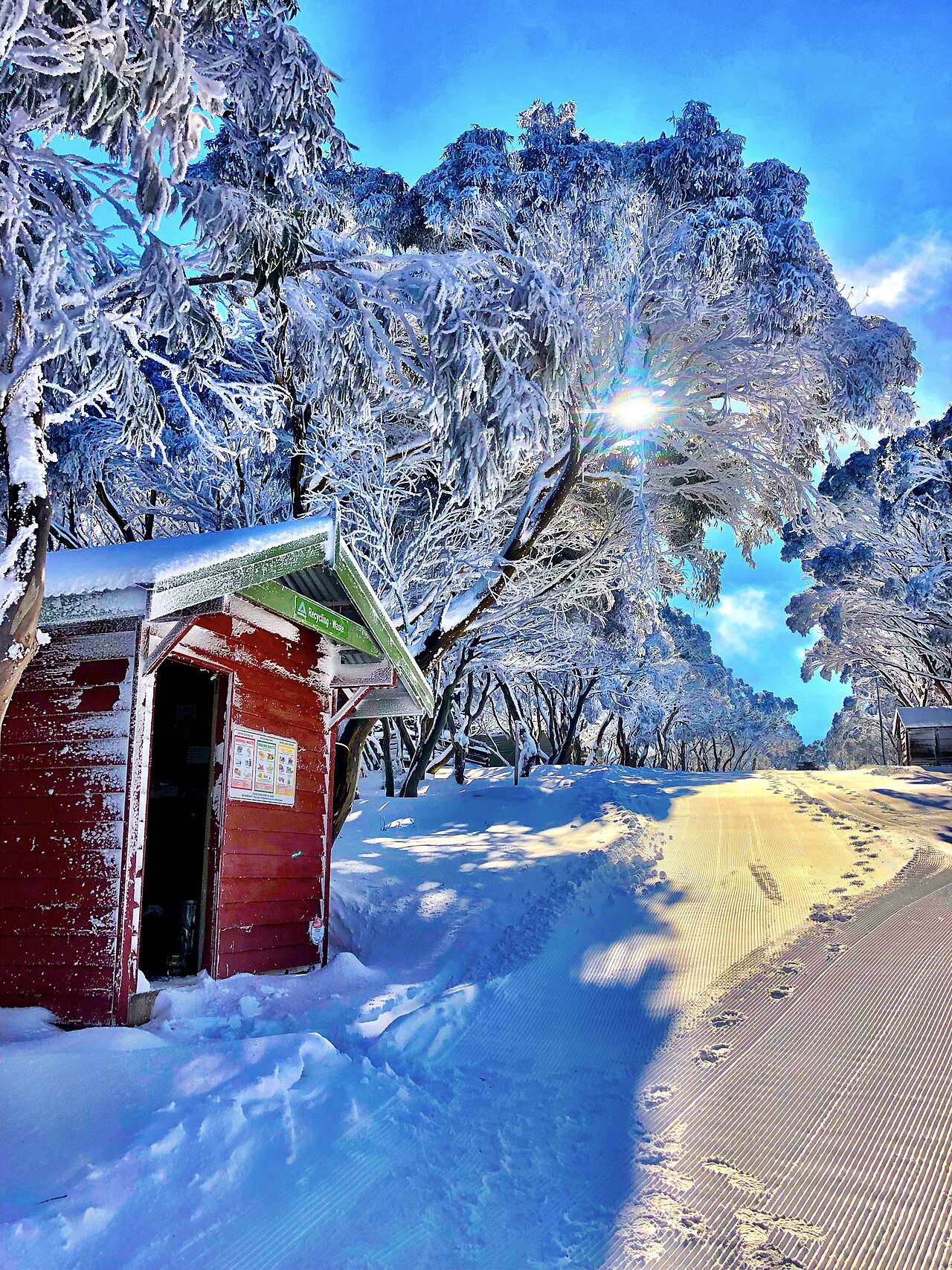
Living populations occur in restricted parts of Victoria and New South Wales. A broad mountain view can therefore conceal a very small and scattered world of suitable habitat.
Waking hungry in spring
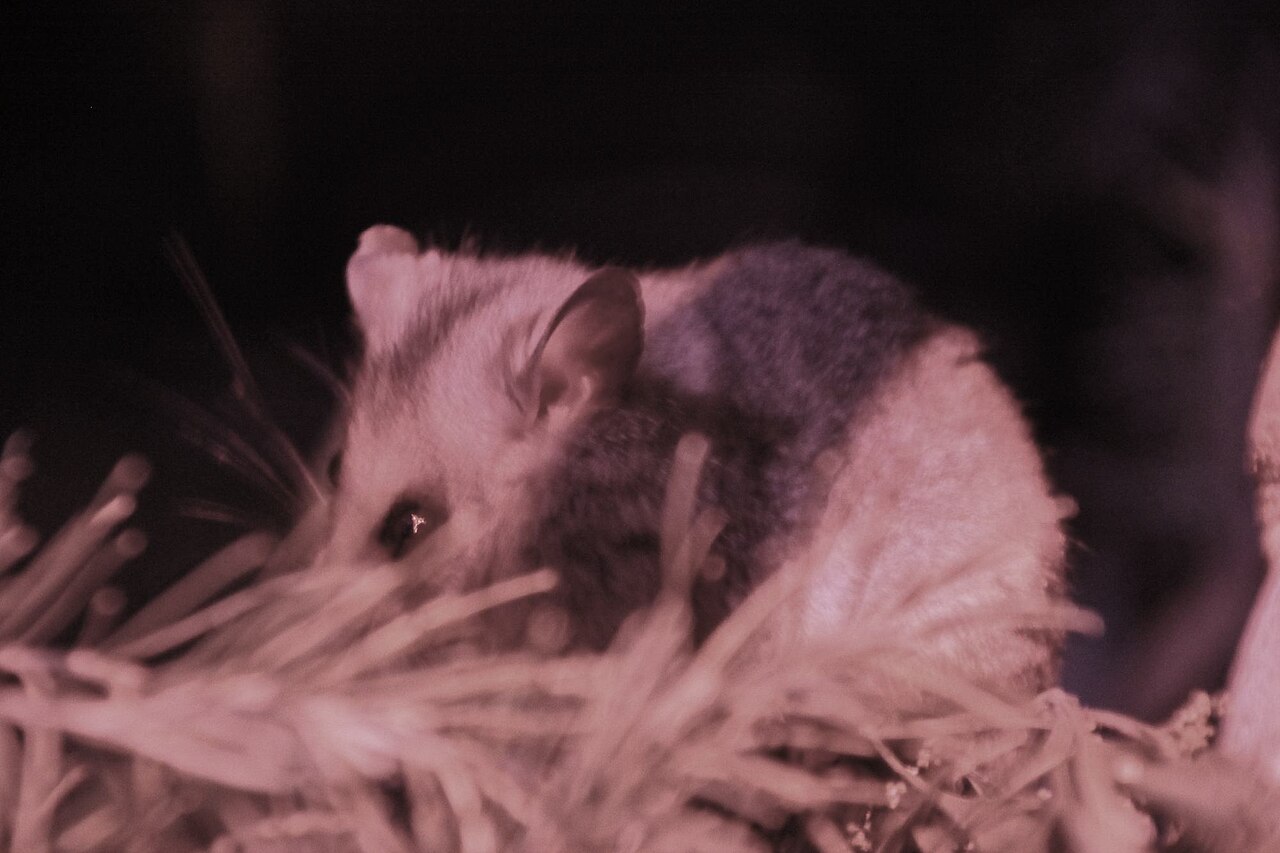
Bogong moths are an important seasonal food. After hibernation, the possums need energy for the active season, including raising young.
Reduced moth numbers have become a major concern. Zoos Victoria’s Moth Tracker program gathers sightings to help researchers understand the insects’ annual journey.
Protecting a whole mountain relationship
Climate change, habitat loss, and introduced predators such as cats and foxes threaten these possums. Their story shows why saving a species can require attention to food supplies as well as shelter.
Snowy mountains may seem vast and secure. The mountain pygmy possum reminds us that survival can depend on very particular conditions within that enormous landscape—and on people helping those conditions endure.
Photo credits
Featured image: Mountain-pygmy-possum.jpg — Wikipedia User; CC BY-SA 4.0.

Body image 1: Mountain pygmy possum at Reptile Park, Gosford.jpg — John Englart; CC BY-SA 2.0.

Body image 2: Mount Hotham winter wonderland.jpg — Brett Stanley; CC BY-SA 4.0.

Photographs resized for web display where available. Captive animals and contextual habitat photographs are identified in their captions.