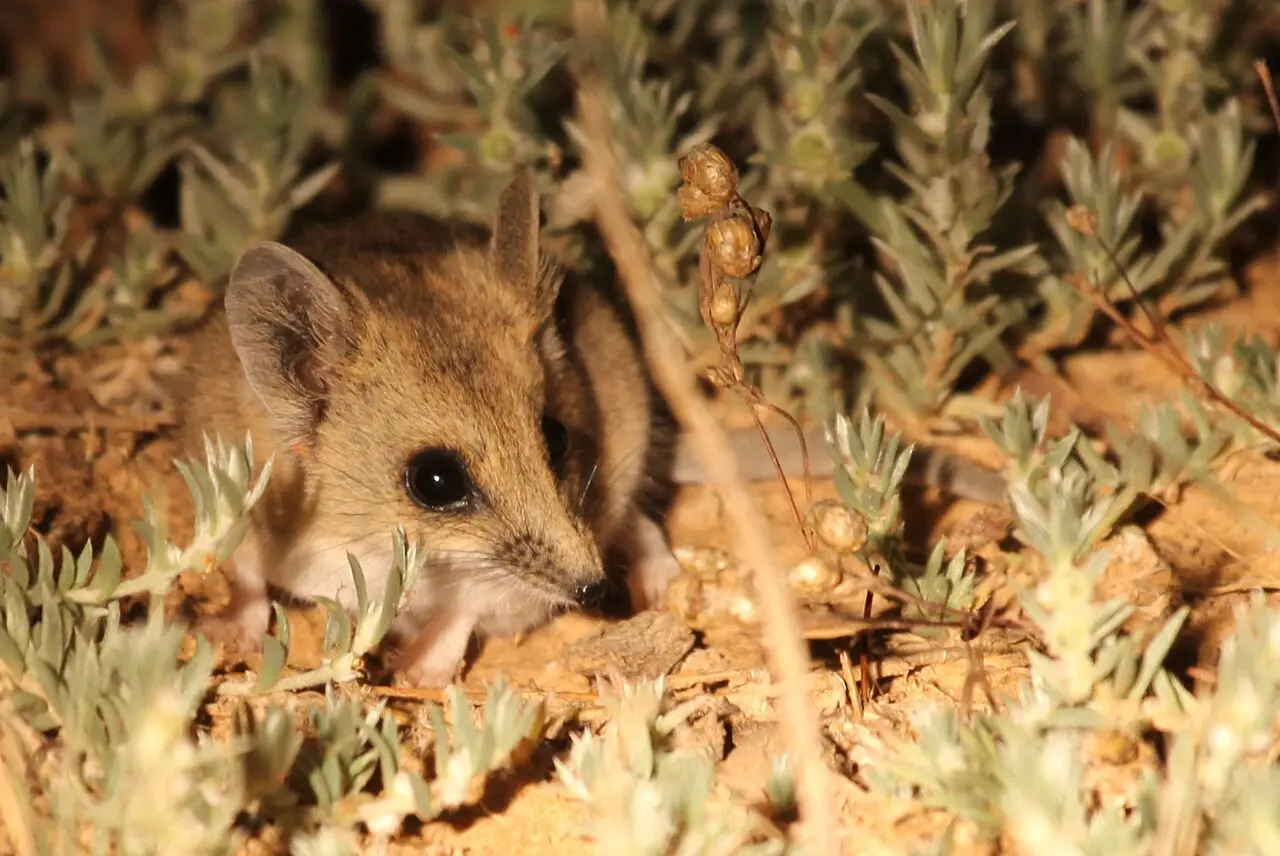
A fat-tailed dunnart carries an energy reserve behind it. When food is plentiful, fat builds up in its tail, giving the tail the swollen appearance behind the animal’s name.
Sminthopsis crassicaudata may resemble a mouse at first glance, but it is an Australian marsupial with a very different family history.
A tail that changes with conditions
The Australian Reptile Park explains that stored tail fat helps the dunnart through food shortages. The tail can become thinner as those reserves are used.
It is a living record of available fuel, rather than a fixed ornament. Plenty and scarcity can leave visible marks on the same small animal.
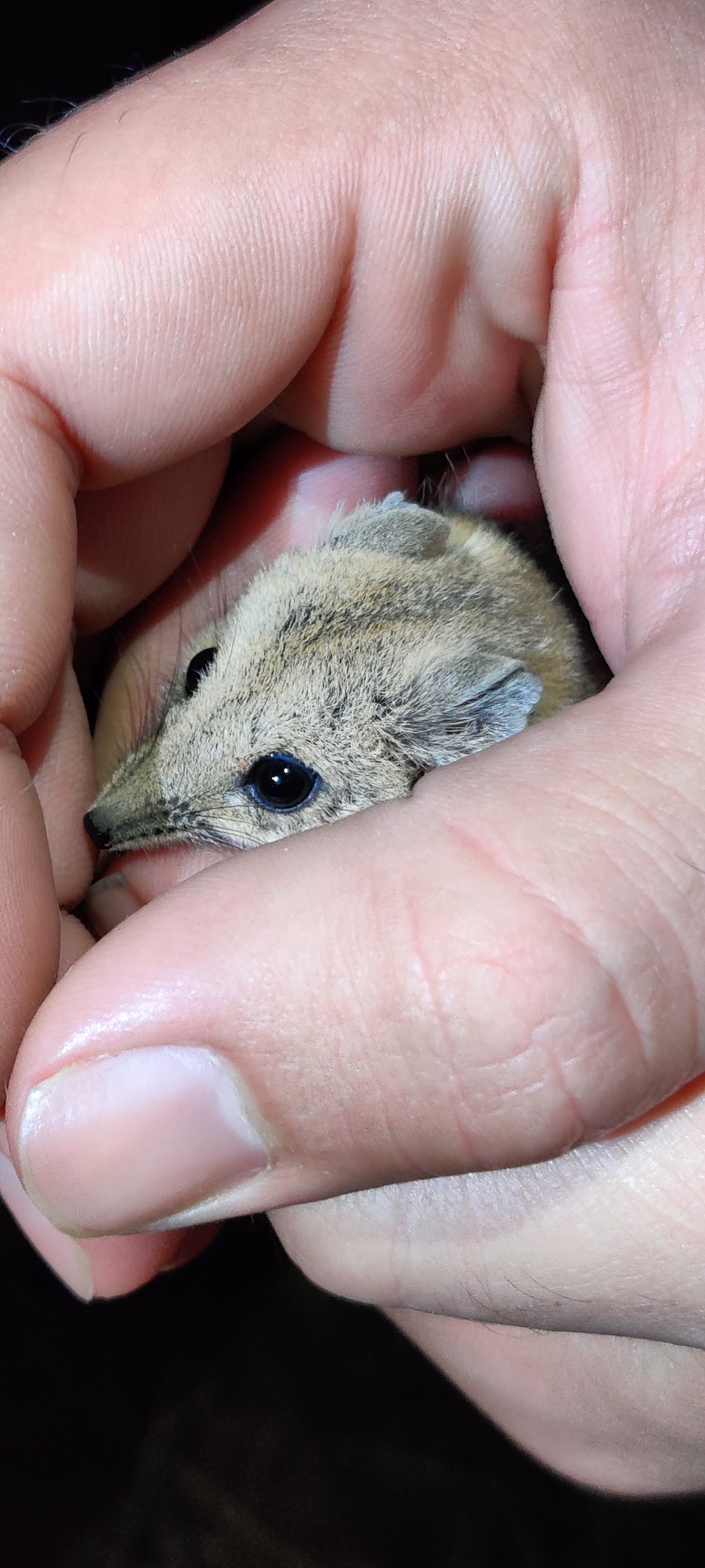
Saving energy when meals are uncertain
Dunnarts hunt mainly at night for invertebrates such as beetles, spiders, and other small prey. Food availability can change sharply in dry environments.
A study of unpredictable food supplies found that dunnarts increased their use of torpor under uncertain feeding conditions. During torpor, body temperature and energy use fall.
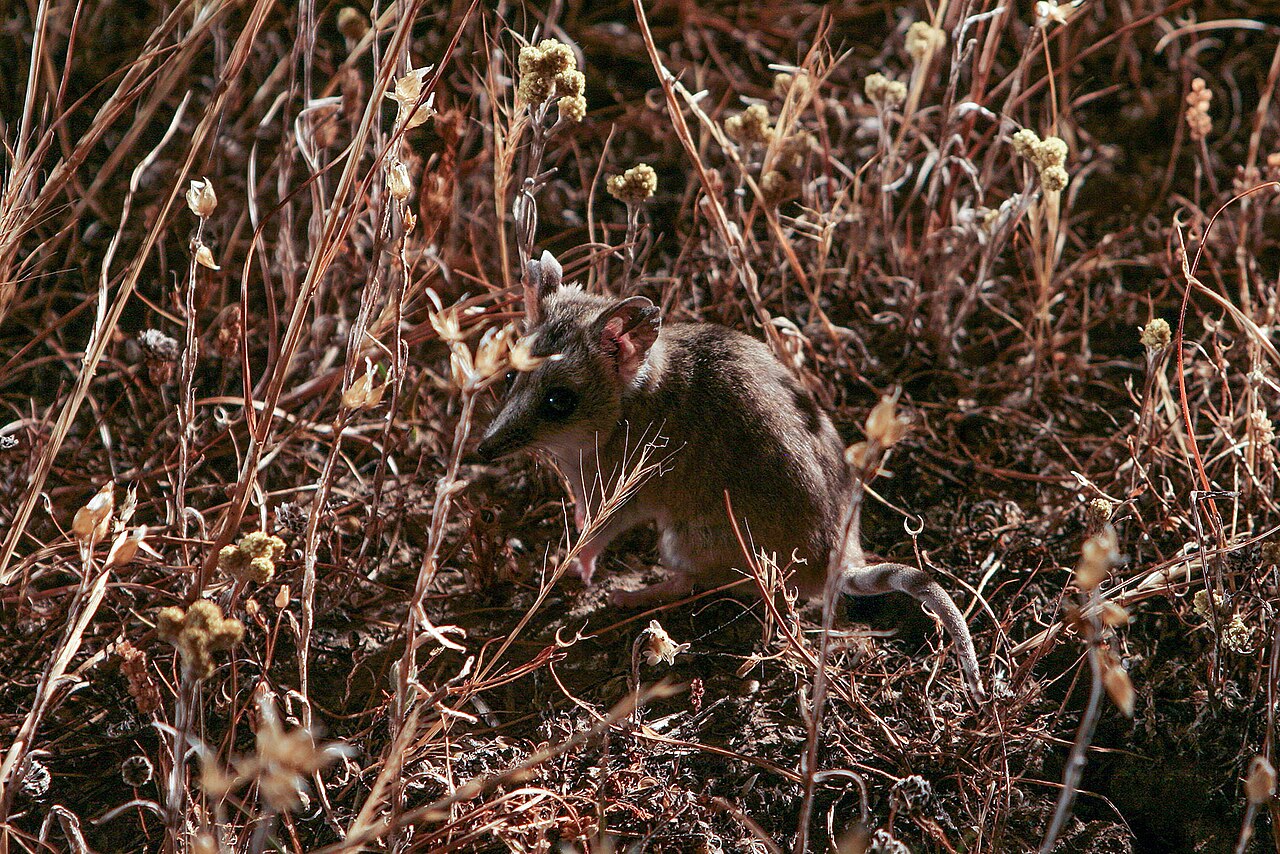
Shelter matters as much as food
Western Australia’s wildlife profile describes nests beneath rocks, fallen logs, and in soil cracks. Removing sheltering wood piles can reduce local numbers.
What looks like untidy ground can therefore hold valuable homes.
The dunnart’s story combines a fat reserve, an energy-saving response, and a sheltered nest. For such a small animal, survival depends on a remarkable set of practical solutions.
Photo credits
Featured image: Sminthopsis crassicaudata 76834990.jpg — Richard Fuller; CC0.

Body image 1: Sminthopsis crassicaudata 114809759.jpg — Nathan Ruser; CC BY-SA 4.0.

Body image 2: Sminthopsis crassicaudata 5872467.jpg — Kristof Zyskowski; CC BY 4.0.

Photographs resized for web display where available. Captive animals and contextual habitat photographs are identified in their captions.