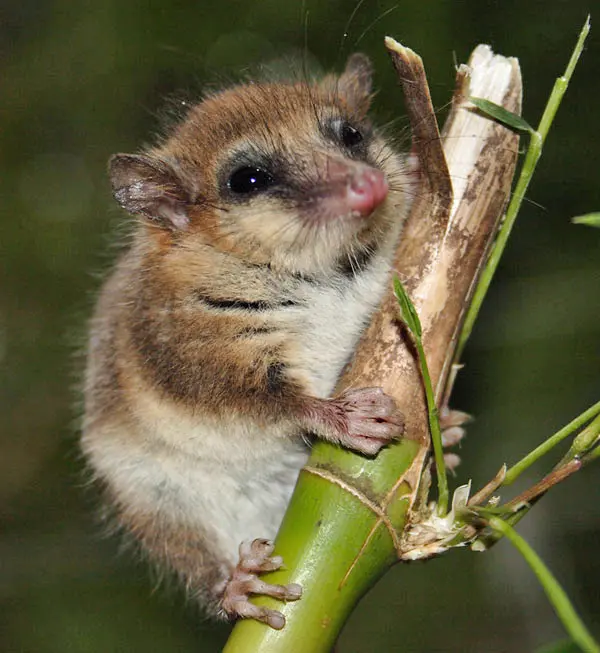
A tiny South American forest mammal has a surprising place on the marsupial family tree. The monito del monte belongs to a lineage closely connected to the great radiation of Australian marsupials.
Its common name means “little mountain monkey,” but this animal is a marsupial. Here, the focus is Dromiciops gliroides, a resident of temperate forests in southern Chile and neighboring Argentina.
An ancient branch, a living animal
A review of its ecology and evolution explains the unusual position of Dromiciops among marsupials.
Calling it an ancient lineage does not mean the animal has stopped evolving. Its importance lies in the branch of evolutionary history it represents, rather than in being an unchanged visitor from the past.
A climber with a forest role
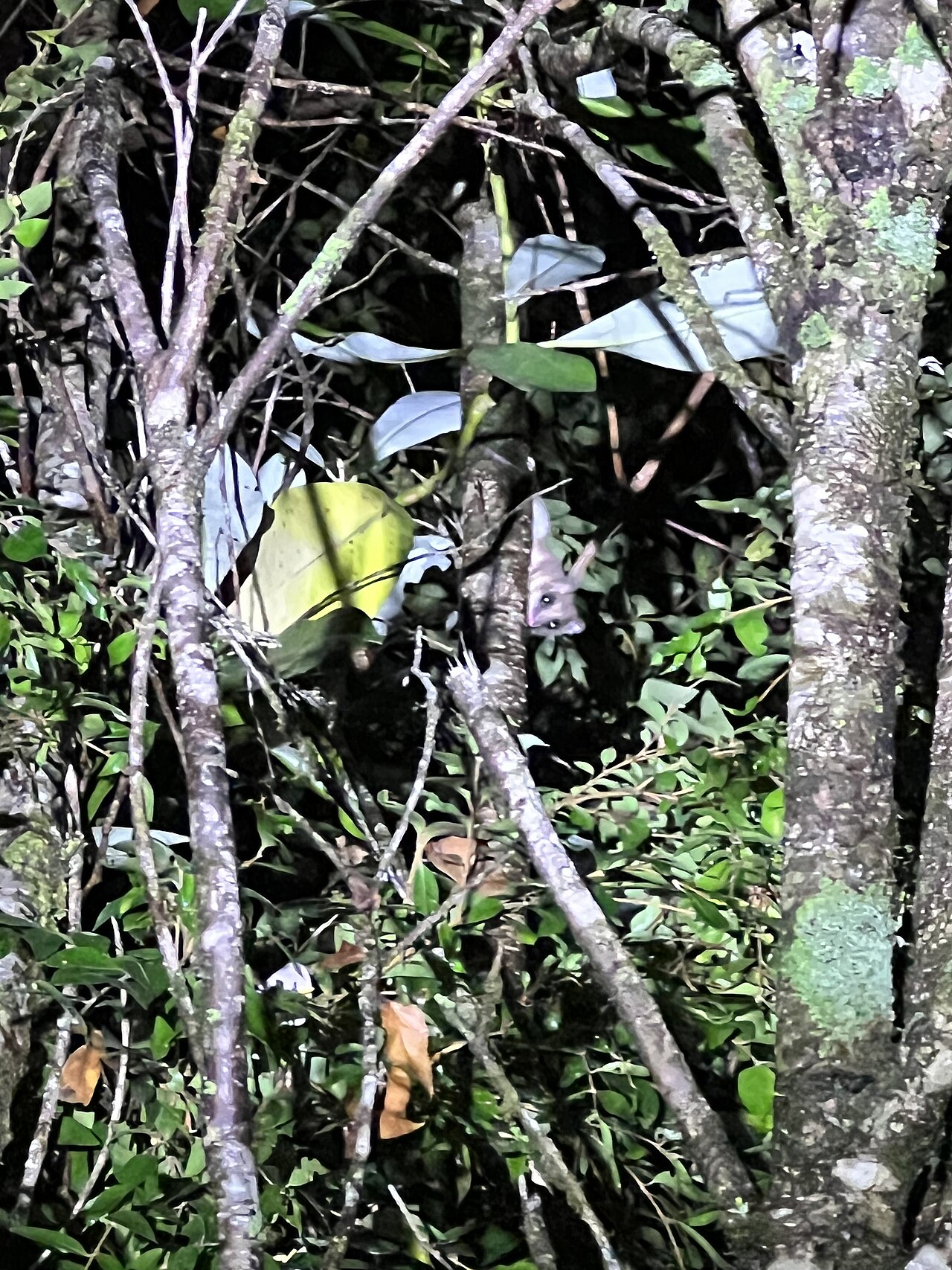
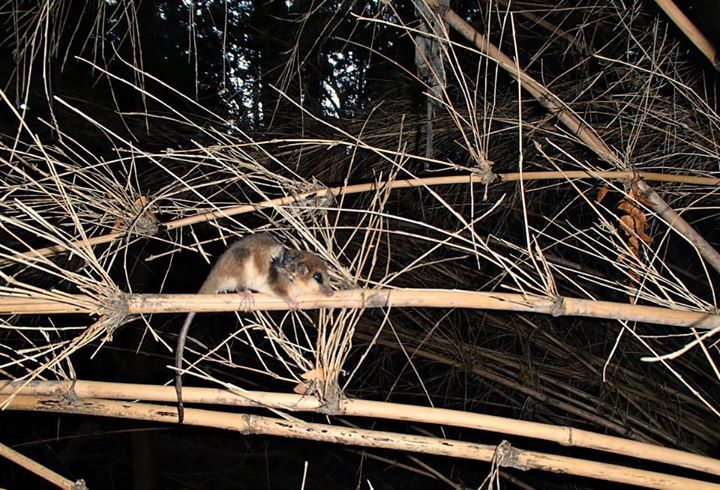
Animal Diversity Web describes gripping feet and a partly prehensile tail that assist climbing. Insects and fleshy fruits provide food.
Fruit meals also help move seeds. That gives this small mammal a role in plant relationships extending beyond its own nightly search for dinner.
Keeping the forest connected
Cold conditions and limited food can bring torpor or winter hibernation. Safe shelter and energy reserves become especially important during that period.
Forest clearing and fragmentation threaten its habitat, while introduced cats can add pressure. Connected vegetation preserves routes that small climbers need.
A face peering from a branch may be the first thing we notice. Behind it lies a remarkable connection between today’s forest and the long history of marsupial life.
Photo credits
Featured image: Monito del Monte ps6.jpg — José Luis Bartheld from Valdivia, Chile; CC BY 2.0.

Body image 1: Monito del Monte.jpg — Parque Tepuhueico; CC BY-SA 4.0.

Body image 2: Dromiciops gliroides 26803915.jpg — Romi Galeota Lencina; CC BY 4.0.

Photographs resized for web display where available. Captive animals and contextual habitat photographs are identified in their captions.