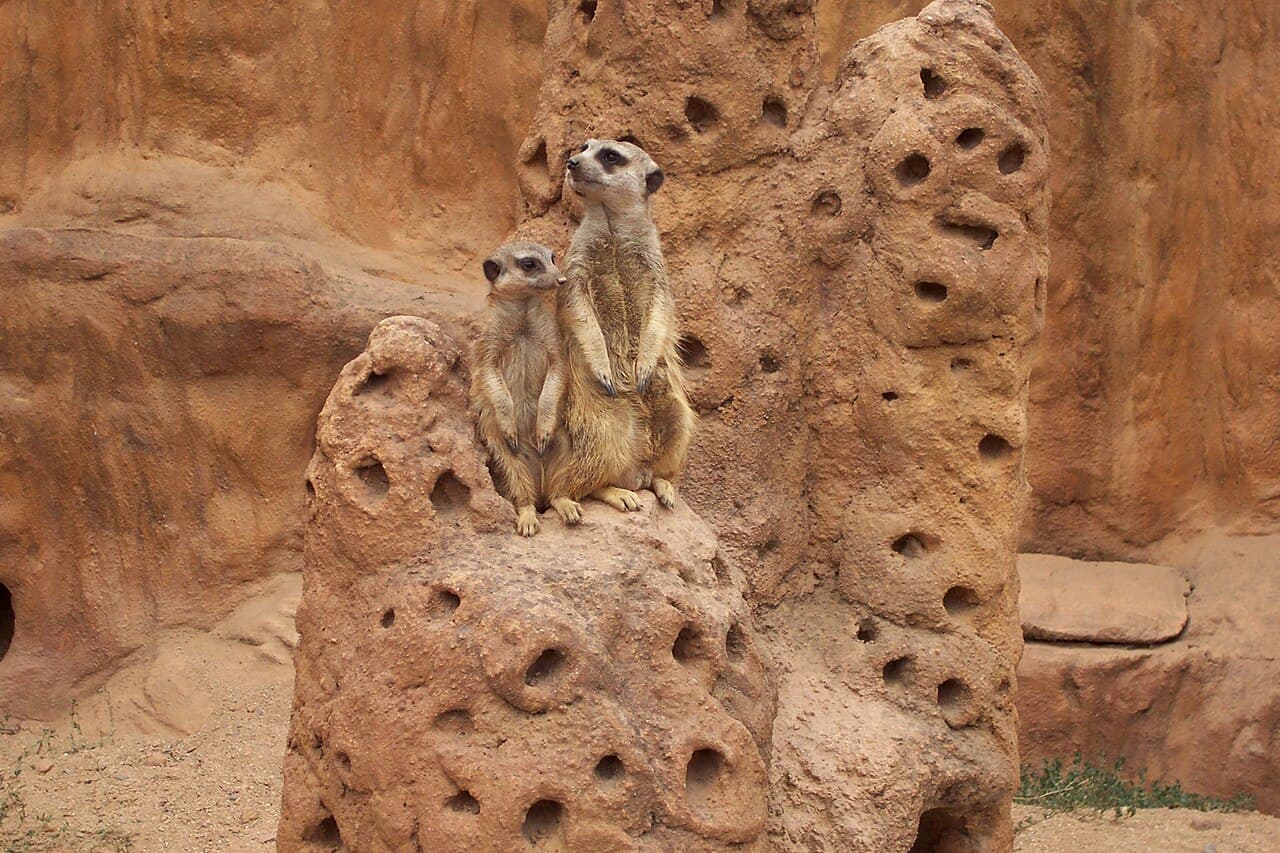
A meerkat standing upright is doing more than striking a memorable pose. A lookout can watch for danger while the rest of the group searches for food. Its calls help turn many small, vulnerable animals into a coordinated community.
The meerkat, Suricata suricatta, is a member of the mongoose family. It lives in southern Africa, including dry country where shelter and early warnings can make a huge difference.
What is the lookout listening and looking for?
Meerkats face danger from both the ground and the sky. The San Diego Zoo Wildlife Alliance describes different warning calls for aerial and land predators.
Lookouts also give quiet calls when conditions appear safe. This means communication is not limited to sudden alarms. A feeding animal can receive information while keeping its nose close to the ground.
Life above and below the sand
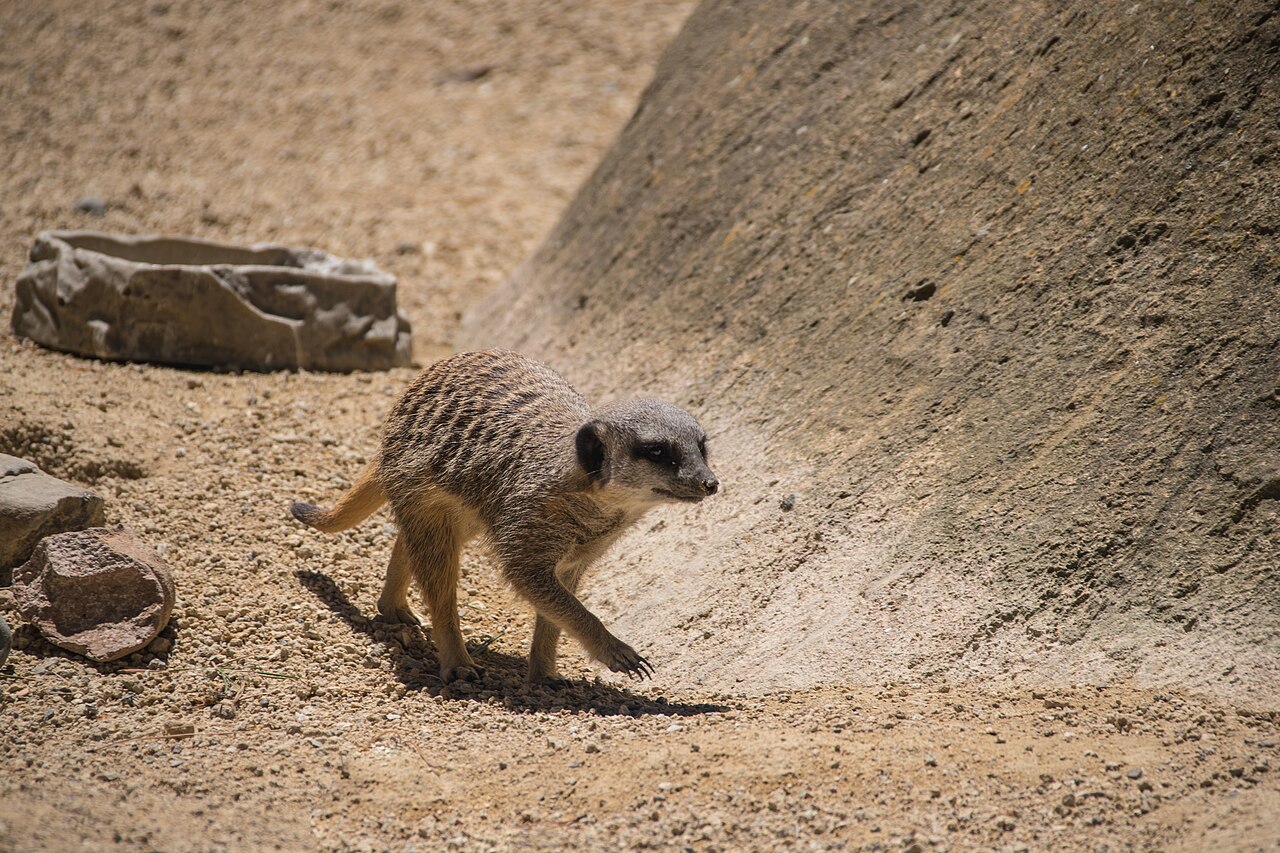
Meerkats use underground burrows for shelter. During the day, they dig for food, with insects making up a large part of their diet. Long claws help them reach prey hidden beneath the surface.
A group is often called a mob. Members groom, rest together, and help care for young, although social life also includes competition.
Their famous upright posture is only one part of a day that involves plenty of sniffing, scratching, and feeding.
How do pups learn to handle dangerous food?
A young meerkat is not born knowing how to deal with every prey animal. Older group members can help.
In a 2006 study published in Science, researchers Alex Thornton and Katherine McAuliffe used observations and experiments to show that wild meerkats teach pups prey-handling skills. Helpers provide opportunities to practice with live prey.
Further research explains that adults adjust what they provide as pups develop. Difficult prey can be delivered dead or disabled before youngsters handle it intact.
More than a charming face
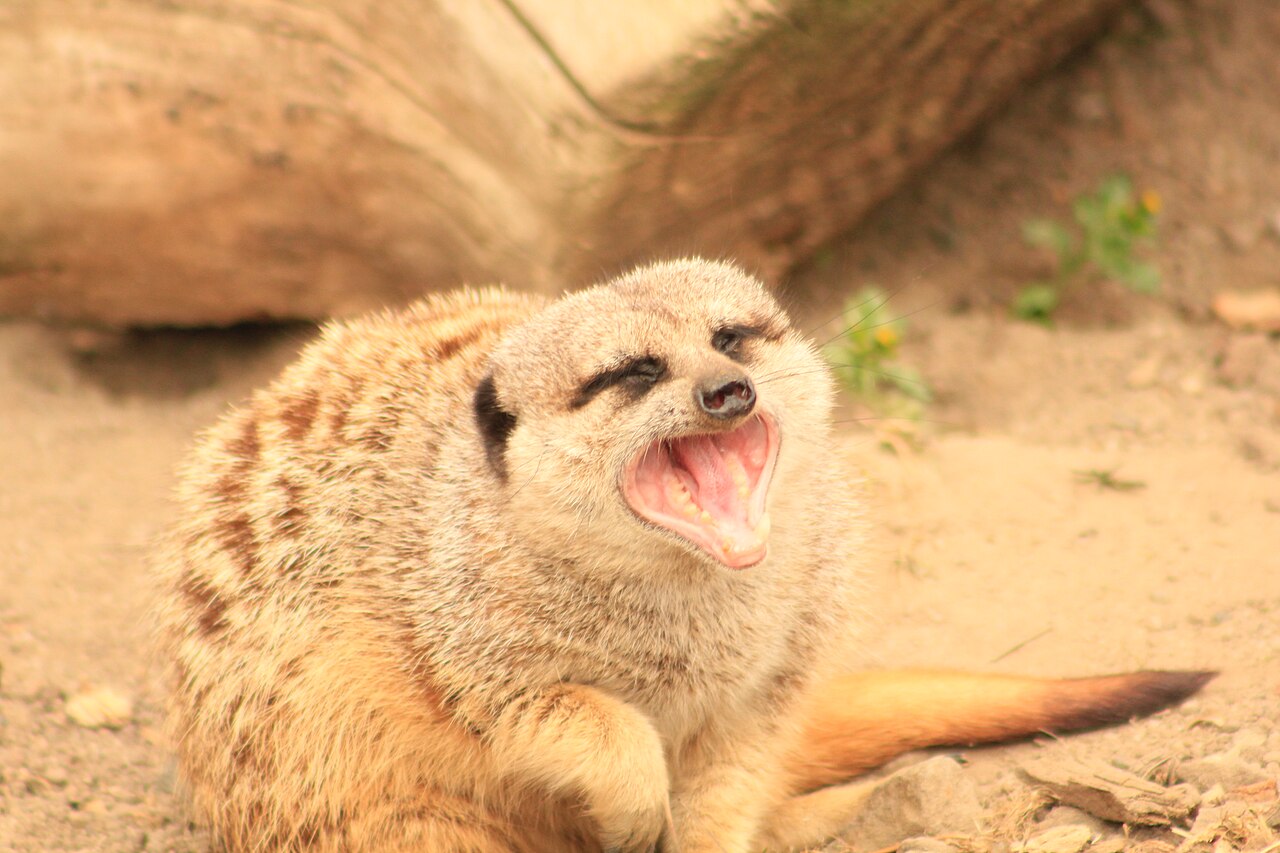
Meerkats' group life shows why behavior belongs in any picture of nature. Their success depends on shelter, food, communication, and opportunities for young animals to learn.
Protecting natural habitats preserves those relationships as well as the animals themselves.
The next time you see a meerkat standing tall, imagine the activity around it: noses in the soil, pups learning, and quiet calls passing through the group. A small lookout is part of a much larger story.
Photo credits
Featured image: Suricata suricatta.jpg — Kirk979, CC BY-SA 3.0.

Body image 1: Meerkat (32605335755).jpg — Simeon W, CC BY 2.0.

Body image 2: Edinburgh yawning meerkat.jpg — Echo Severs, CC BY-SA 4.0.

Images supplied at up to 1,280 pixels wide for web display; smaller originals are retained at their original size. Crops or rotations are identified in their credits and captions.