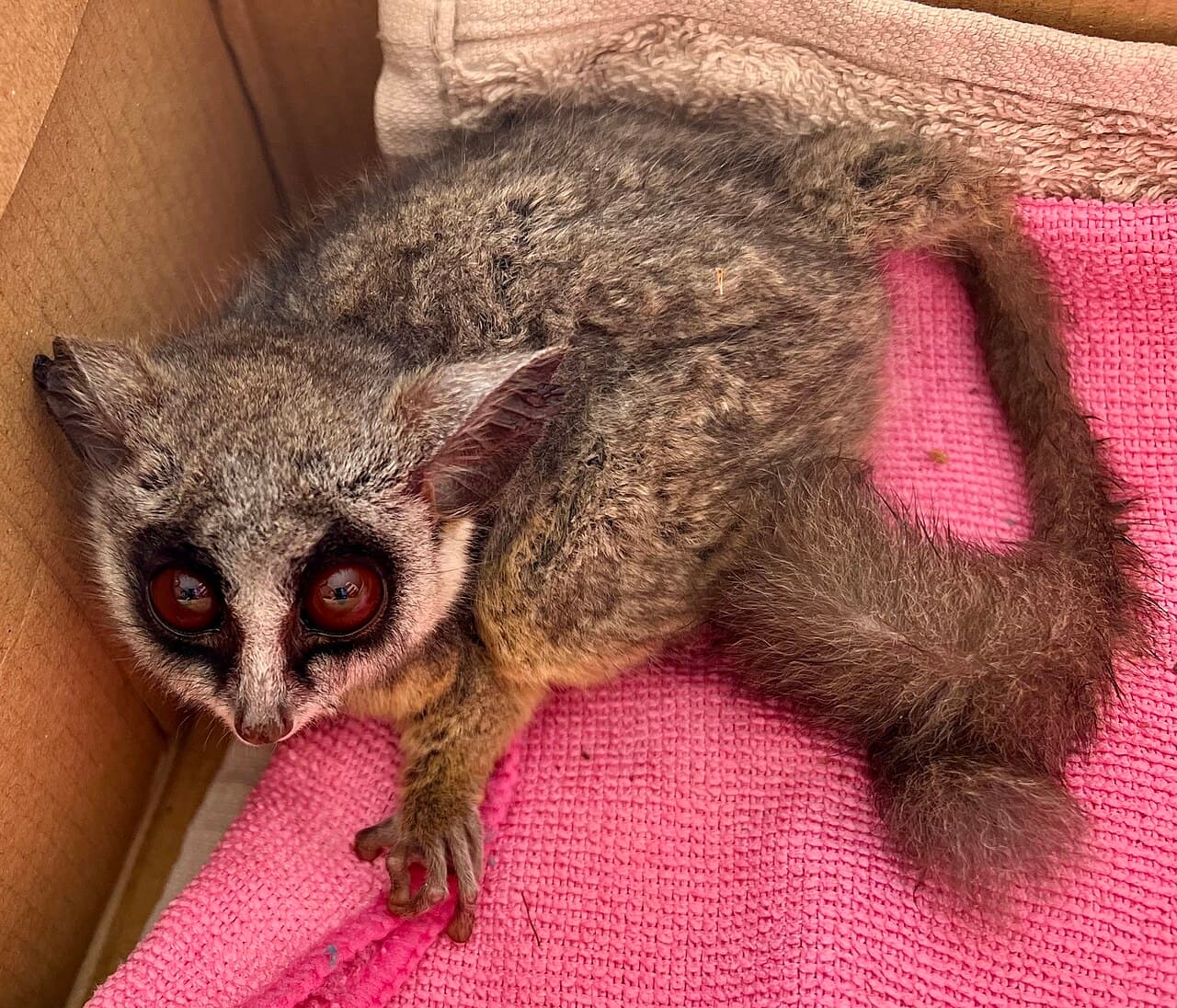
A bushbaby can turn its ears separately, listening for the tiny sounds of prey in the dark. Combined with large eyes and powerful jumping legs, those ears make this little primate a remarkable night traveler.
“Bushbaby” is a common name for several kinds of galago. This article focuses on the Moholi bushbaby, Galago moholi, also called the southern lesser galago. It is a different species from the Senegal galago, another member of this fascinating group.
A primate with a nighttime schedule
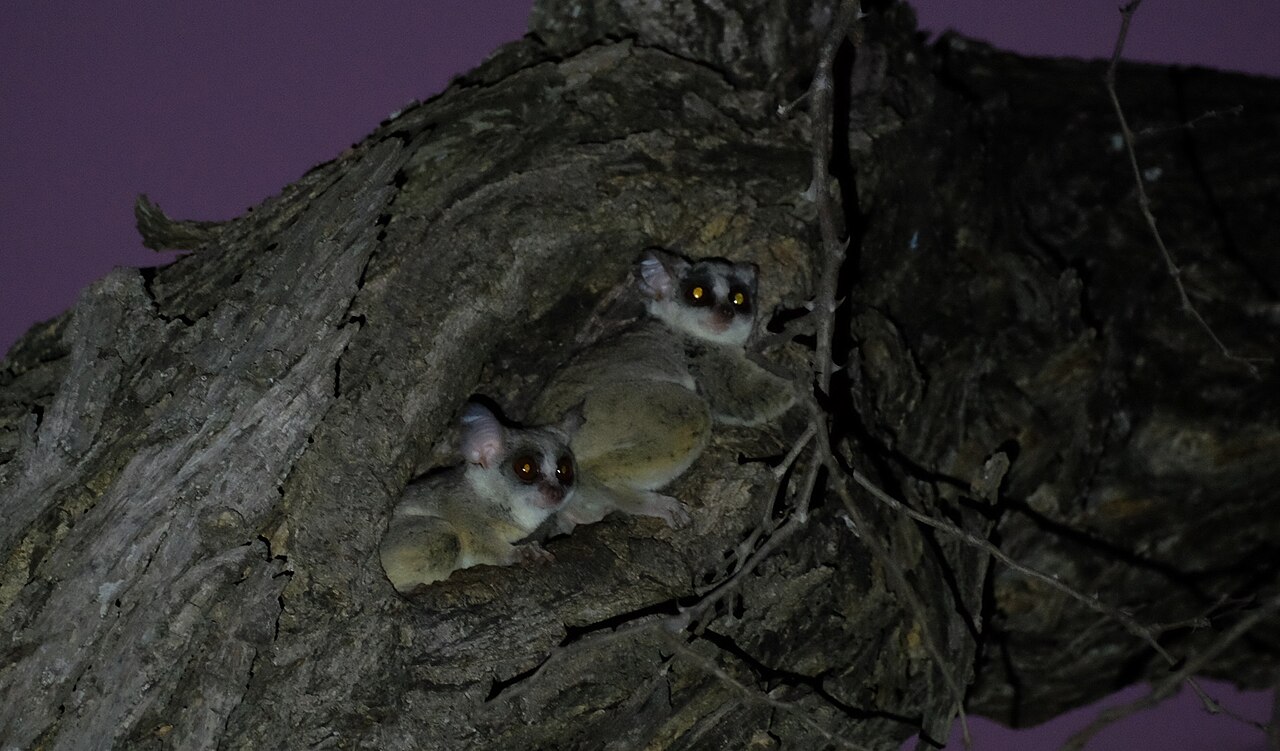
Moholi bushbabies come from southern Africa. They are nocturnal, becoming active when many other animals are settling down.
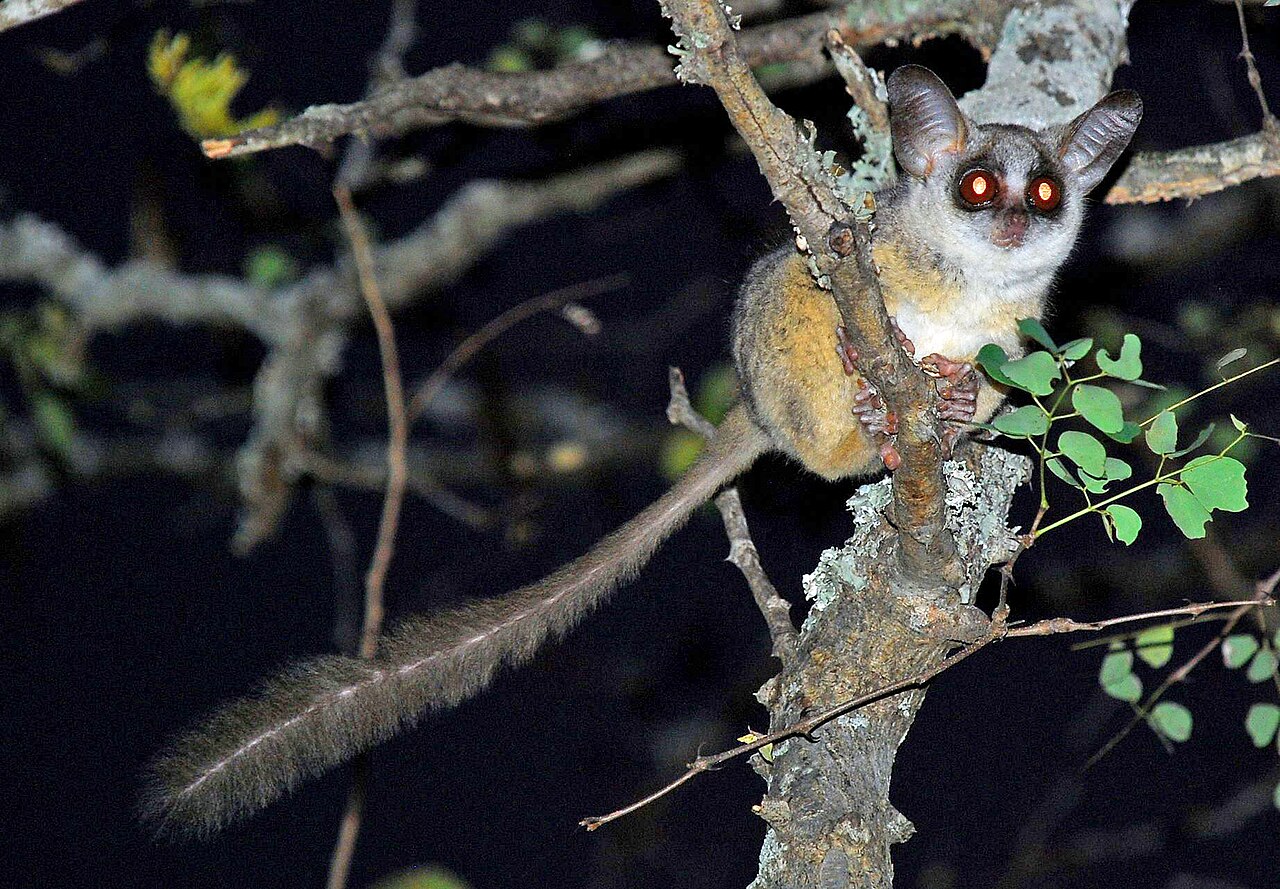
Their large eyes are adapted to low light. Their prominent ears can move independently, helping them locate prey. London Zoo highlights these listening skills as one of the species' most memorable features.
Seeing in dim light and locating sounds are complementary tools. Together, they help a small animal make use of a world that seems almost invisible to us.
What does a bushbaby eat?
Its menu includes tree gum and small invertebrates, such as moths, beetles, and butterflies. Tree gum is a sticky substance that oozes from damaged bark.
That combination may seem surprising. A bushbaby can use both a plant resource and moving prey, rather than relying on a single kind of food.
The Lincoln Park Zoo species account also describes a toothcomb at the front of the mouth and a special grooming claw. Grooming is an important part of maintaining the coat.
A tail longer than the body
A Moholi bushbaby's body is only about 6–7 inches long, while its tail can reach around 11 inches. The long tail adds to its striking outline among branches.
Females make nests for their young. Although bushbabies have social connections, they also spend a great deal of time alone. Small does not mean simple: their lives include both independence and family care.
Appreciating a wild night traveler
London Zoo lists the Moholi bushbaby as Least Concern. That is a species-level assessment, not a reason to dismiss the woodland around it.
Watching wildlife respectfully means giving a nocturnal animal room to follow its own schedule. Its large eyes and soft coat are adaptations for a wild life.
In the bushbaby, Amazing Nature offers a different view of the night: not an empty darkness, but a place full of movement and sound.
Photo credits
Featured image: Galago moholi 211167732.jpg — Juvia Heuchert, CC BY 4.0.

Body image 1: Galago moholi 230501749.jpg — wang cai, CC BY 4.0.

Body image 2: Bushbabies.JPG — Wegmann, CC BY-SA 3.0.

Images supplied at up to 1,280 pixels wide for web display; smaller originals are retained at their original size. Crops or rotations are identified in their credits and captions.