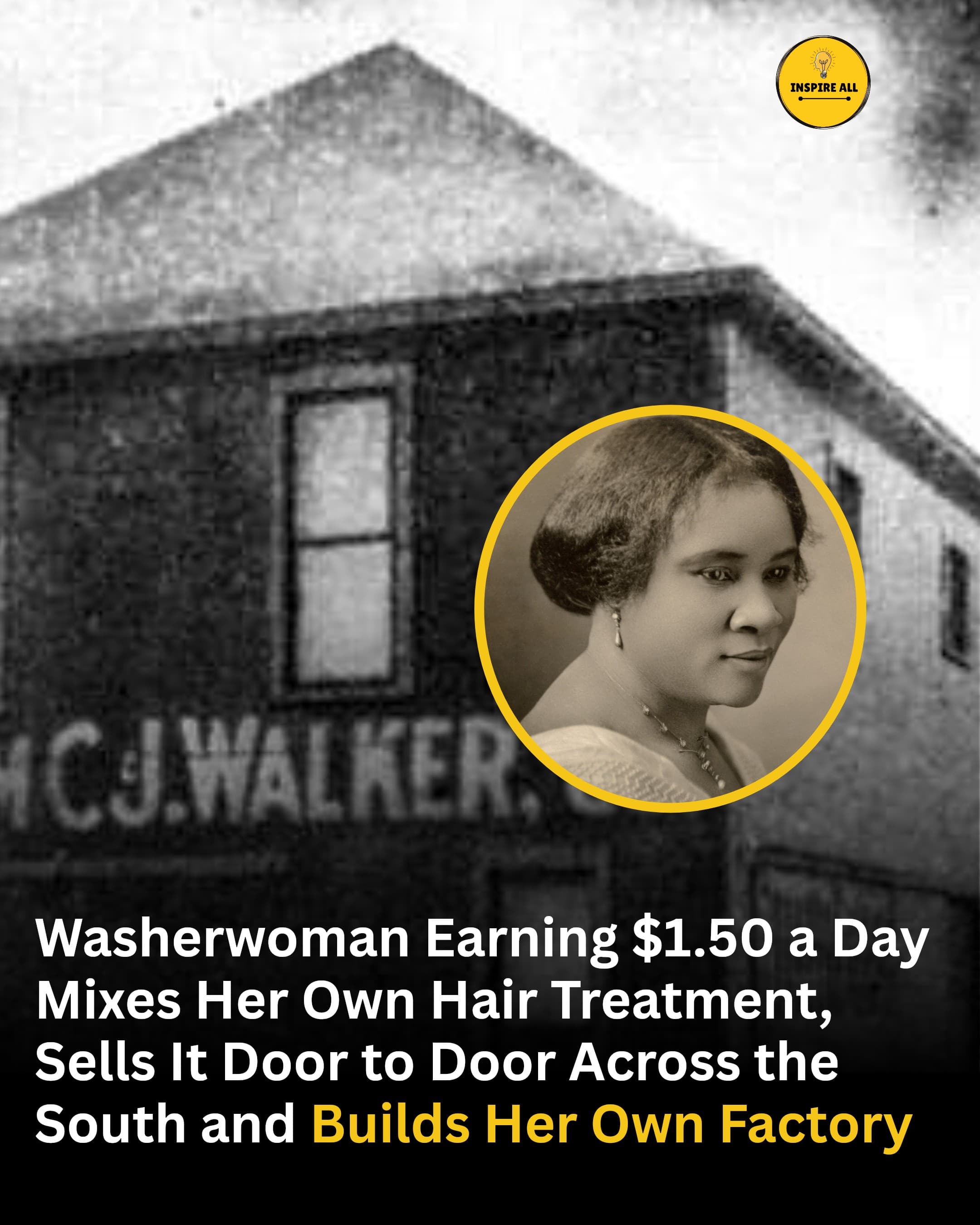
Sarah Breedlove built a business around hair care, sales training, and opportunities for Black women to earn an income.
By 1910, Madam C. J. Walker had established a factory, salon, and training school in Indianapolis. Only a few years earlier, she had been selling products door to door.
Born Sarah Breedlove in Louisiana in 1867, she had worked as a laundress while raising her daughter. Her later business grew through product development and a network of trained agents.
The Walker family’s historical website documents that journey and the people who helped run the company.
A personal problem became a business interest
Walker experienced hair loss and explored treatments. Before establishing her own brand, she worked as a sales agent for hair-care entrepreneur Annie Turnbo Malone.
That earlier experience is important. Her company emerged within an existing field of Black women building businesses and serving customers whose needs were often overlooked.
The National Women’s History Museum describes both the laundry work and her transition into hair-care sales.
Selling required teaching
After moving to Denver in 1905, Walker developed her own business identity and product line.
She traveled to demonstrate treatments, sell products, and recruit agents. Her family’s account describes demonstrations in churches and lodges and the opening of Lelia College in Pittsburgh in 1908.
A product on its own could not build the network. Agents needed skills, confidence, and a way to reach customers.
The Indianapolis operation expanded that work into manufacturing and further training.
Success created responsibilities
By the final year of her life in 1919, sales exceeded $500,000, according to the National Women’s History Museum.
Her wealth also supported philanthropy and political advocacy. She contributed to educational causes and the NAACP’s anti-lynching work.
The business depended on a wider group, including her daughter A’Lelia and employees who managed its operations. Their work belongs in the story alongside Walker’s leadership.
More than a familiar success slogan
Walker did not invent the straightening comb, a point her family’s website explicitly corrects.
Her documented achievements are substantial enough: building a company, training agents, creating employment, and directing money toward causes she supported.
The movement from washing clothes to owning a factory was made through a series of concrete decisions, relationships, and years of selling.
Related: Lewis Latimer’s technical career and George Washington Carver’s practical science.