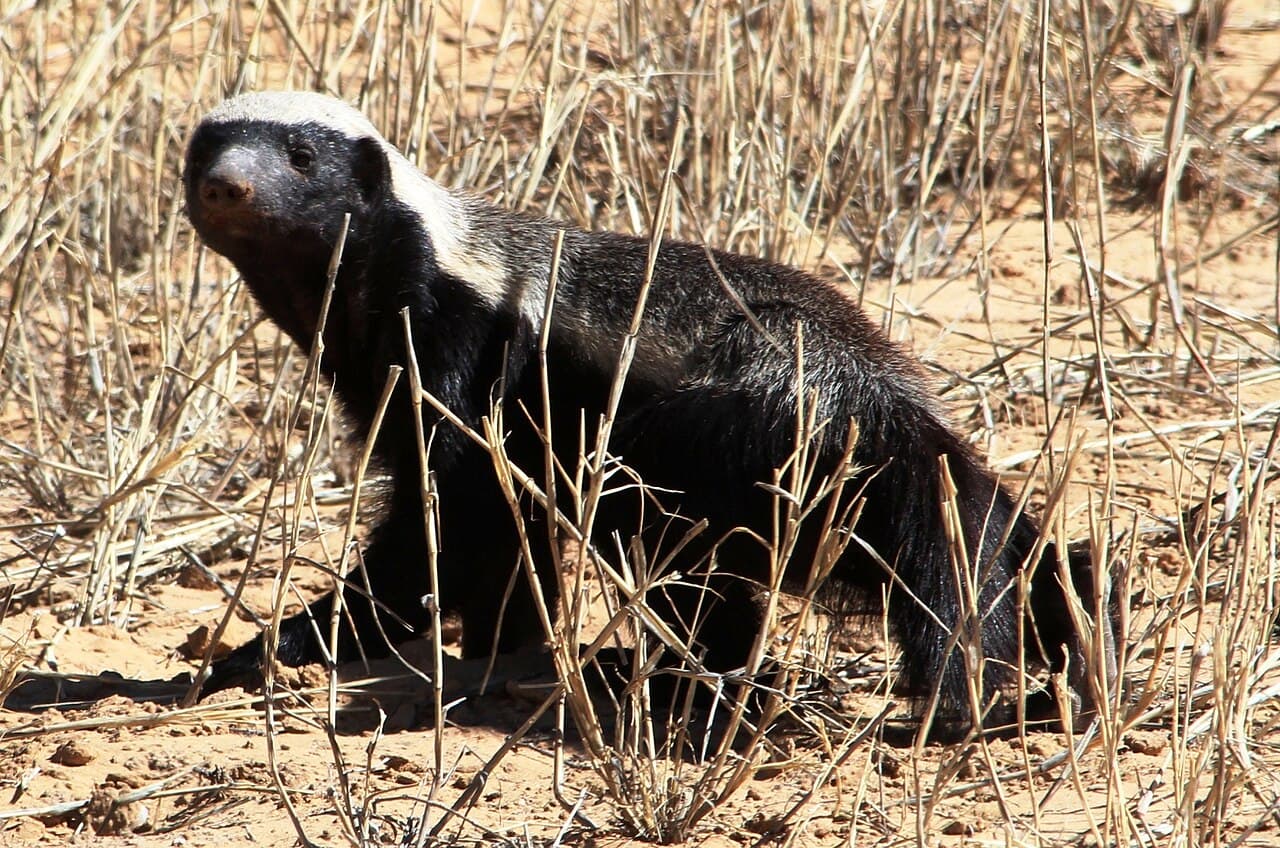
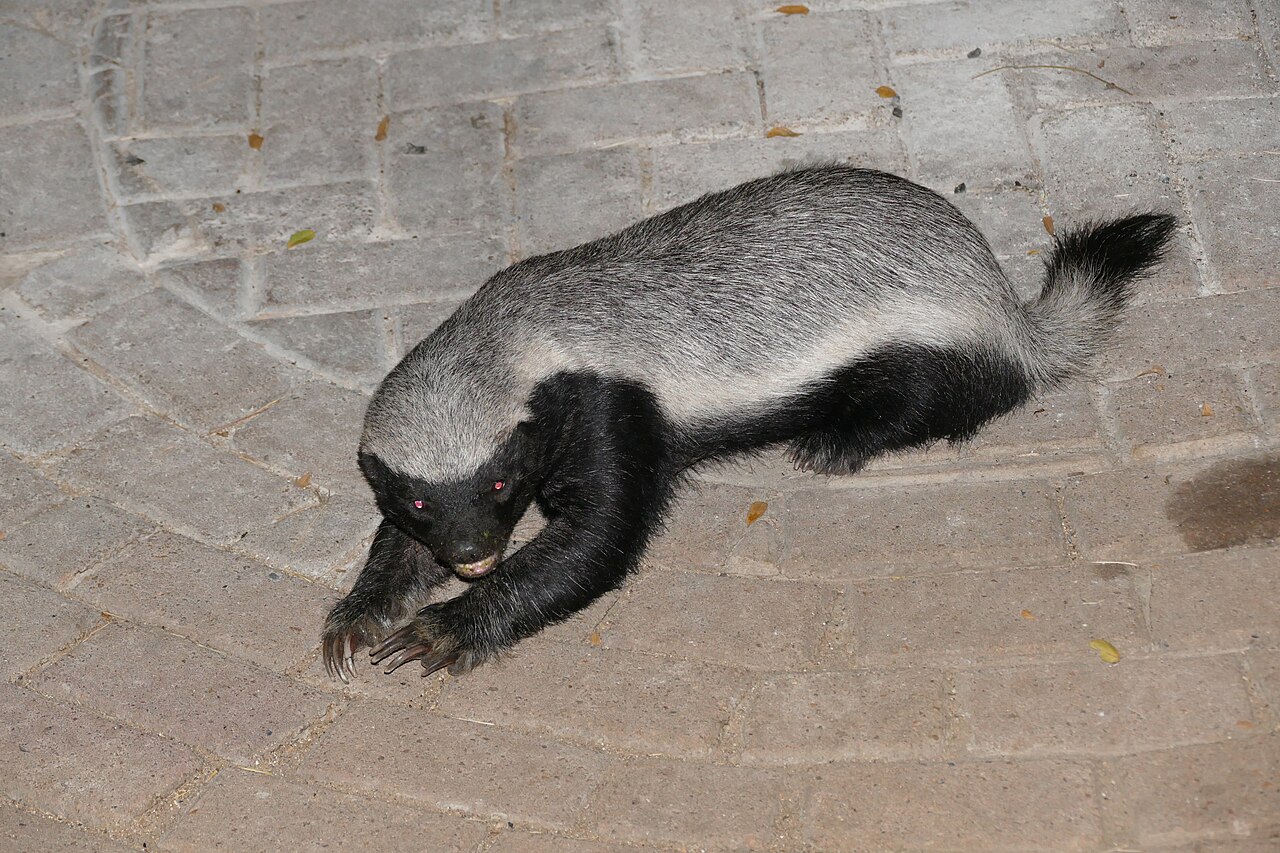
A honey badger's loose skin helps it turn within an attacker's grip. Add powerful claws and a sturdy body, and its famous defensive reputation becomes easier to understand.
Mellivora capensis, also called the ratel, belongs to the mustelid family. It is a wild forager, not an indestructible character from a video.
Built to dig and defend
The San Diego Zoo honey-badger account describes strong front claws, tough skin, and a stocky form.
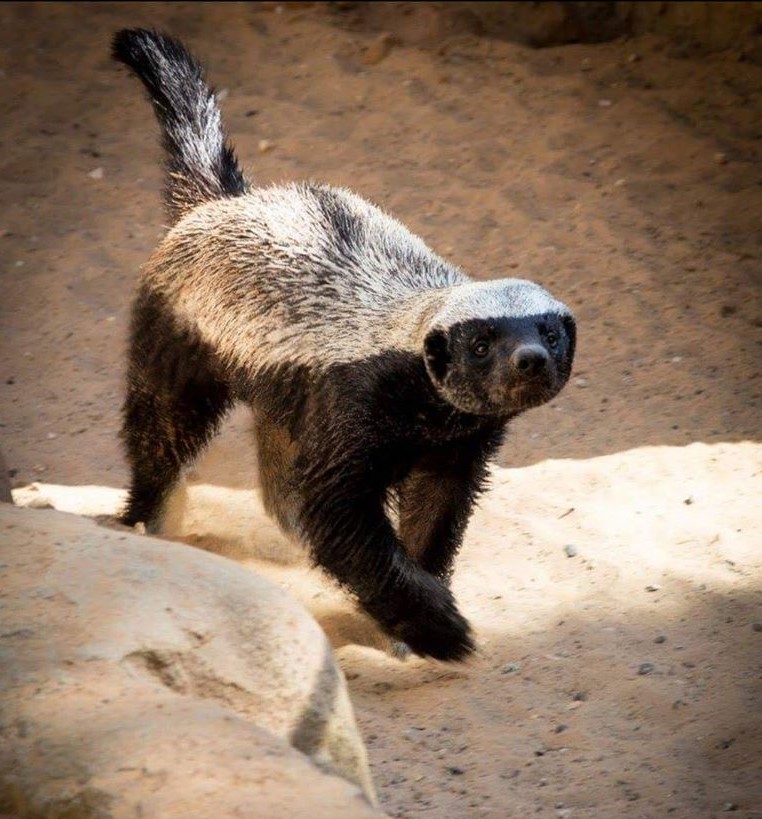
Those features help obtain food and respond to danger. The pale back and darker underside make a bold contrast.
Defensive strength does not remove the need to avoid injury. A successful animal still needs shelter and opportunities to feed.
Honey is not the whole menu
Bee larvae are an important attraction when a honey badger opens a hive. It also eats many other foods, including small mammals, reptiles, insects, and some fruit.
Its diet changes the story from a single sweet preference to a broad search for available meals.
Coexistence has practical answers
Conflict can arise around beehives. The zoo describes ways of placing and securing hives that reduce access and help avoid killing badgers.
Understanding behavior can offer a better response than treating an animal as an enemy.
The honey badger is impressive enough without myths of invincibility. Its real story lies in digging, investigating, defending itself, and finding a place in landscapes shared with people.
Photo credits
Featured image: Mellivora capensis ssp. capensis.jpg — Tony Rebelo; CC BY-SA 4.0.

Body image 1: Honey Badger (Mellivora capensis) (17425848662).jpg — Bernard DUPONT from FRANCE; CC BY-SA 2.0.

Body image 2: Honey Badger Mellivora capensis Jerusalem Al Quds by Prof Dr Norman Ali Khalaf 2013.jpg — Jaffacity; CC BY-SA 4.0.

Photographs resized for web display where available.