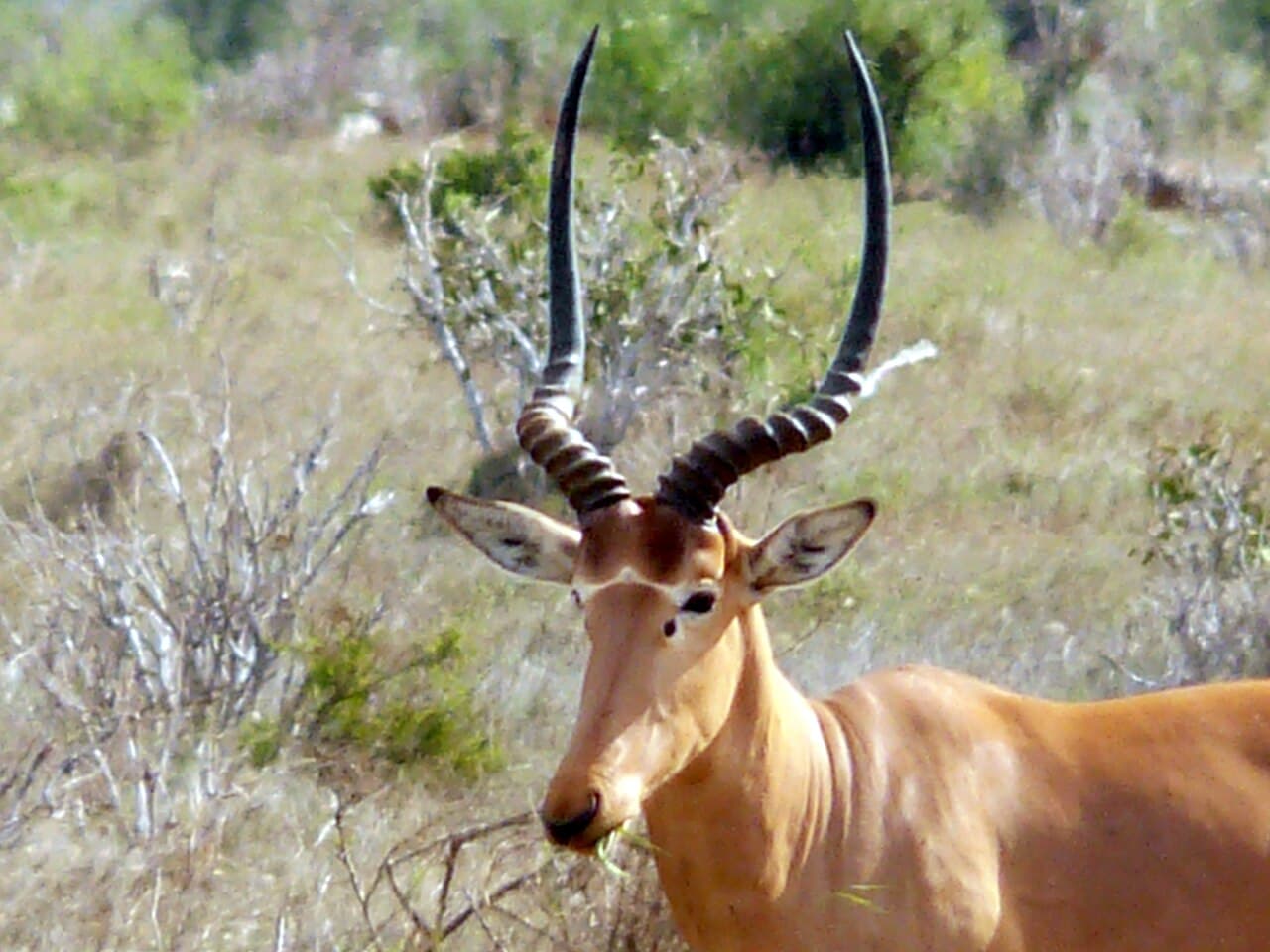
The hirola's dark glands below its eyes can give its face the impression of an extra pair of eyes. Behind that unusual portrait is a rare antelope whose future depends on open grassland.
Beatragus hunteri is associated with eastern Kenya and the neighboring Somali region. It has a tawny coat and slender, ridged horns.
The face invites a closer look
The Hirola Conservation Programme's facts guide introduces an animal with a very restricted place in East Africa's wildlife.
The dark areas beneath the eyes are glands, not additional eyes. Pale facial markings strengthen the contrast.
Such details make an individual memorable, but its habitat tells the larger story.
More trees are not always better
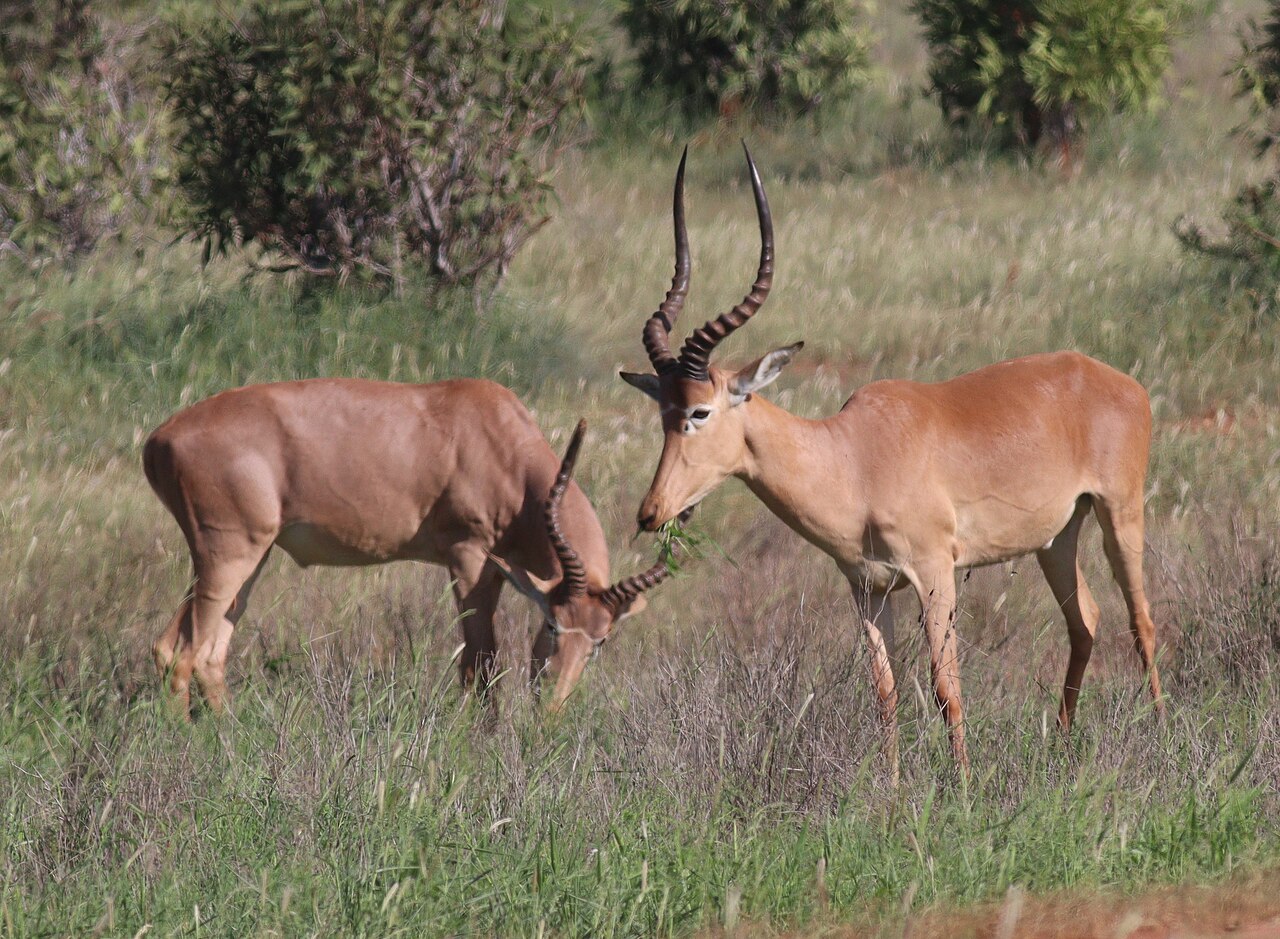
The programme's conservation FAQ identifies grassland loss and increasing tree cover as major problems.
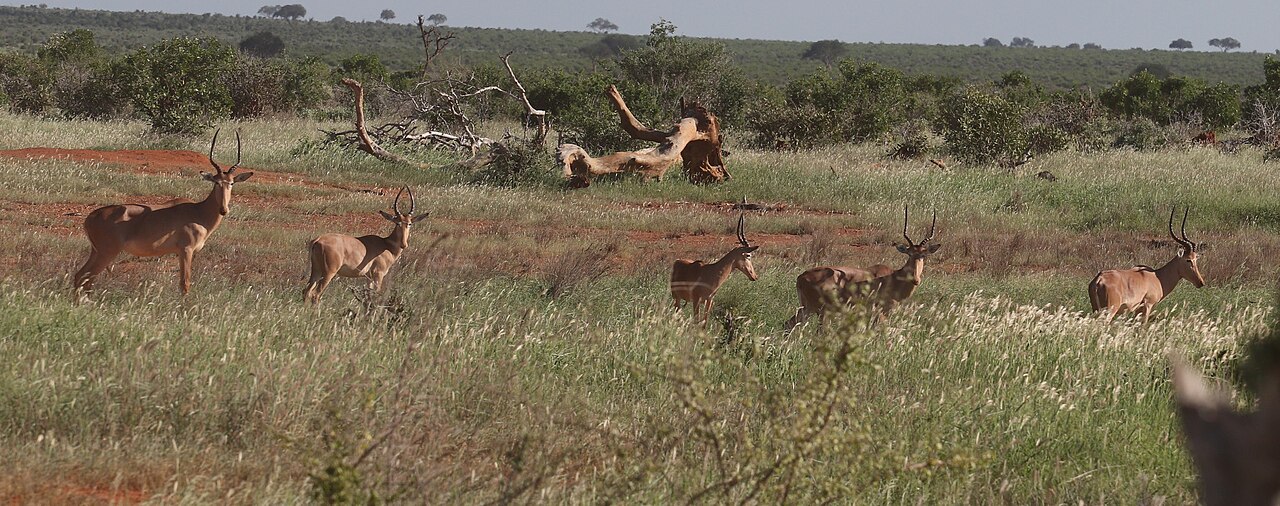
Hirola need relatively open feeding habitat. A landscape becoming more wooded can mean less suitable space rather than improved conditions for this species.
Conservation is about the right habitat, not one universal appearance of a green landscape.
Recovery with local communities
Restoring grass, managing grazing, and protecting wildlife involve people who share the range.
That work connects a rare antelope with the livelihoods and knowledge of its neighbors.
The hirola gives a precise lesson in appreciation: notice the extraordinary face, then look outward to the grass beneath it. Keeping the animal means keeping the kind of landscape it needs.
Photo credits
Featured image: Hirola head with sub-orbital glands.jpg — JRProbert; CC BY-SA 4.0.

Body image 1: Beatragus hunteri 176040791.jpg — Jan Ebr; CC BY 4.0.

Body image 2: Beatragus hunteri 176040797.jpg — Jan Ebr; CC BY 4.0.

Photographs resized for web display where available.