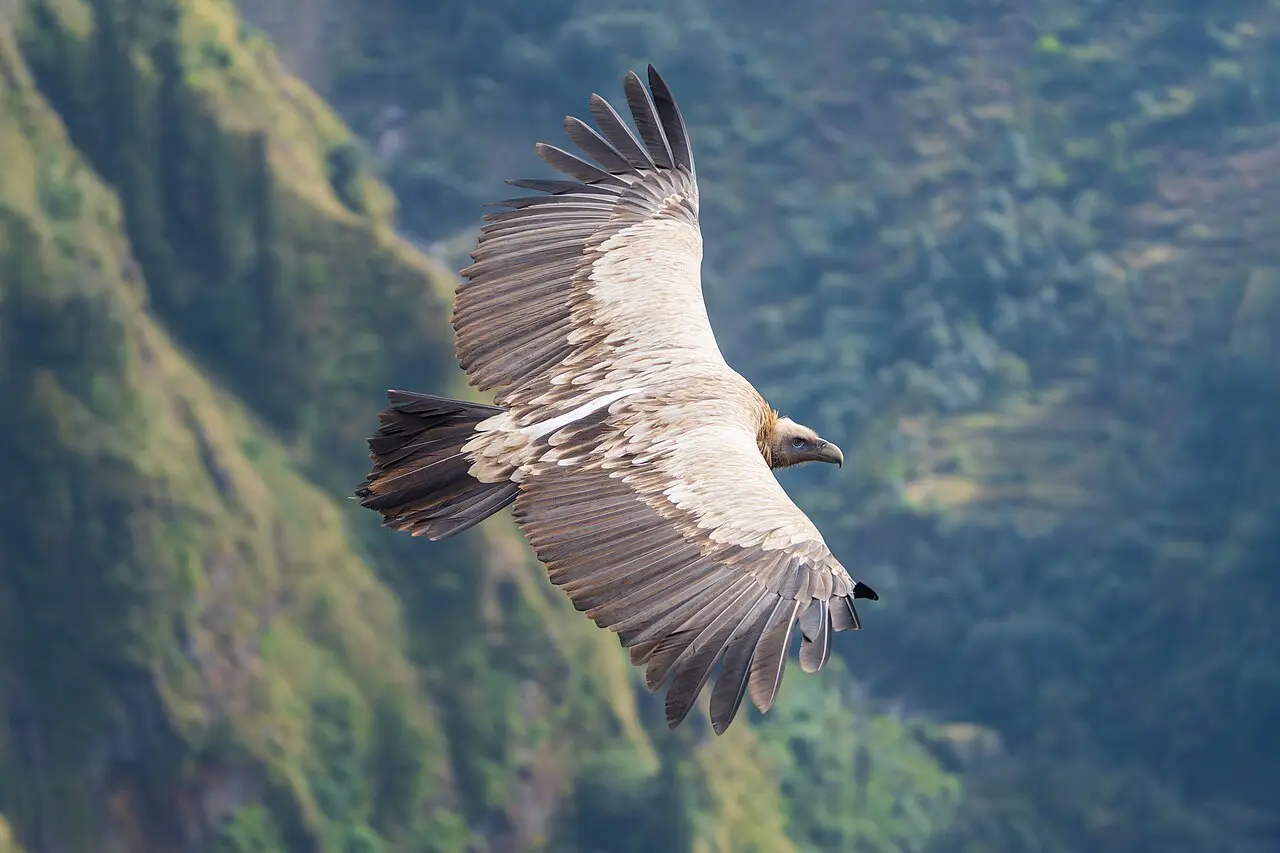
A Himalayan Griffon can cross a mountain sky with barely a flap. Broad wings let this enormous vulture use rising air, saving effort while it searches a vast landscape for food.
Gyps himalayensis, also called the Himalayan Vulture, is a scavenger of the Asian uplands. Its pale body and contrasting dark flight feathers are especially striking from below.
Letting the air do the lifting
Animal Diversity Web describes a bird associated with high mountain country.
Soaring works by using air that rises from warmed ground or moves upward along slopes. For a large bird searching widely, those invisible lifts are valuable parts of the landscape.
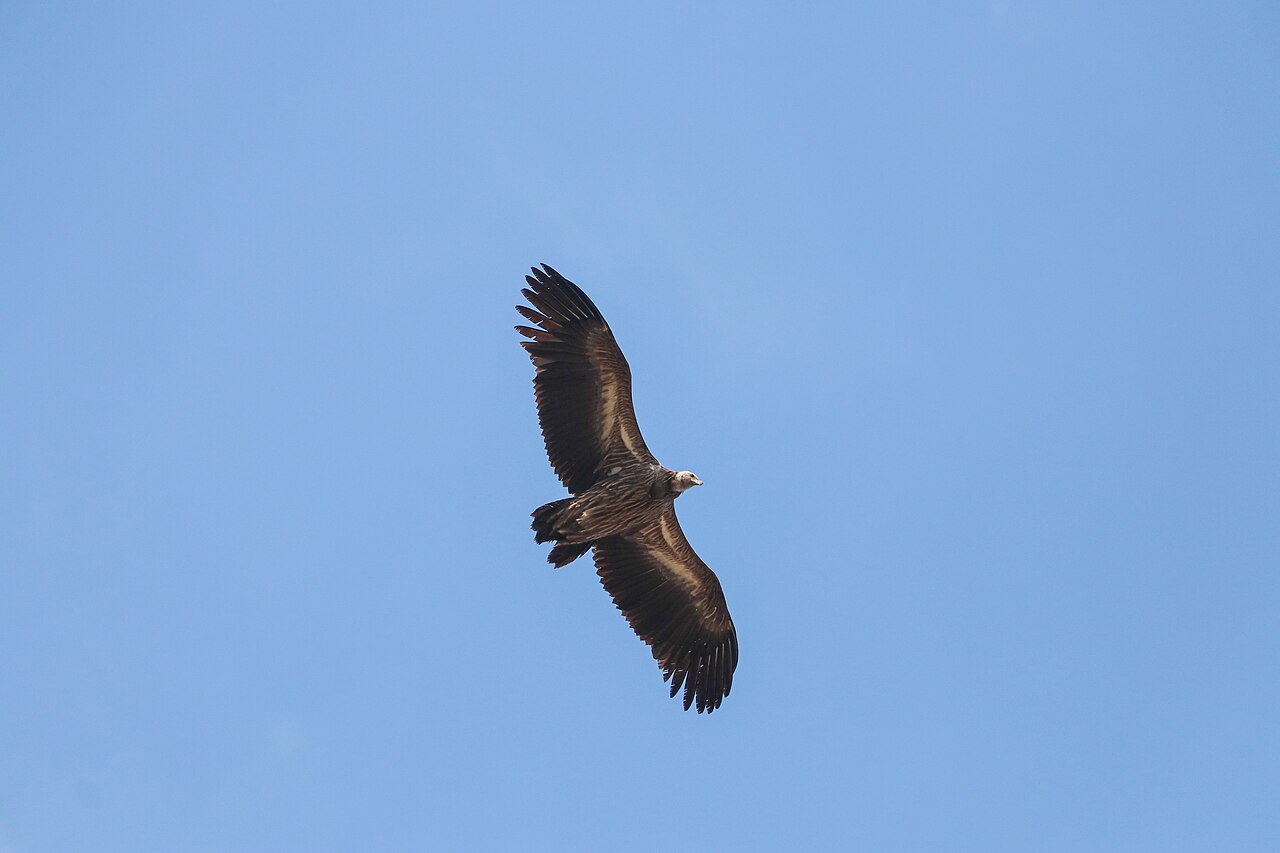
A scavenger’s important meal
Himalayan Griffons feed on carrion. Finding the remains of dead animals supplies food while helping remove carcasses from the environment.
The bird’s bare-looking head and feathered neck ruff give it a very different appearance from an eagle. Its way of making a living is different too: a carcass, rather than a chase, is central to the meal.
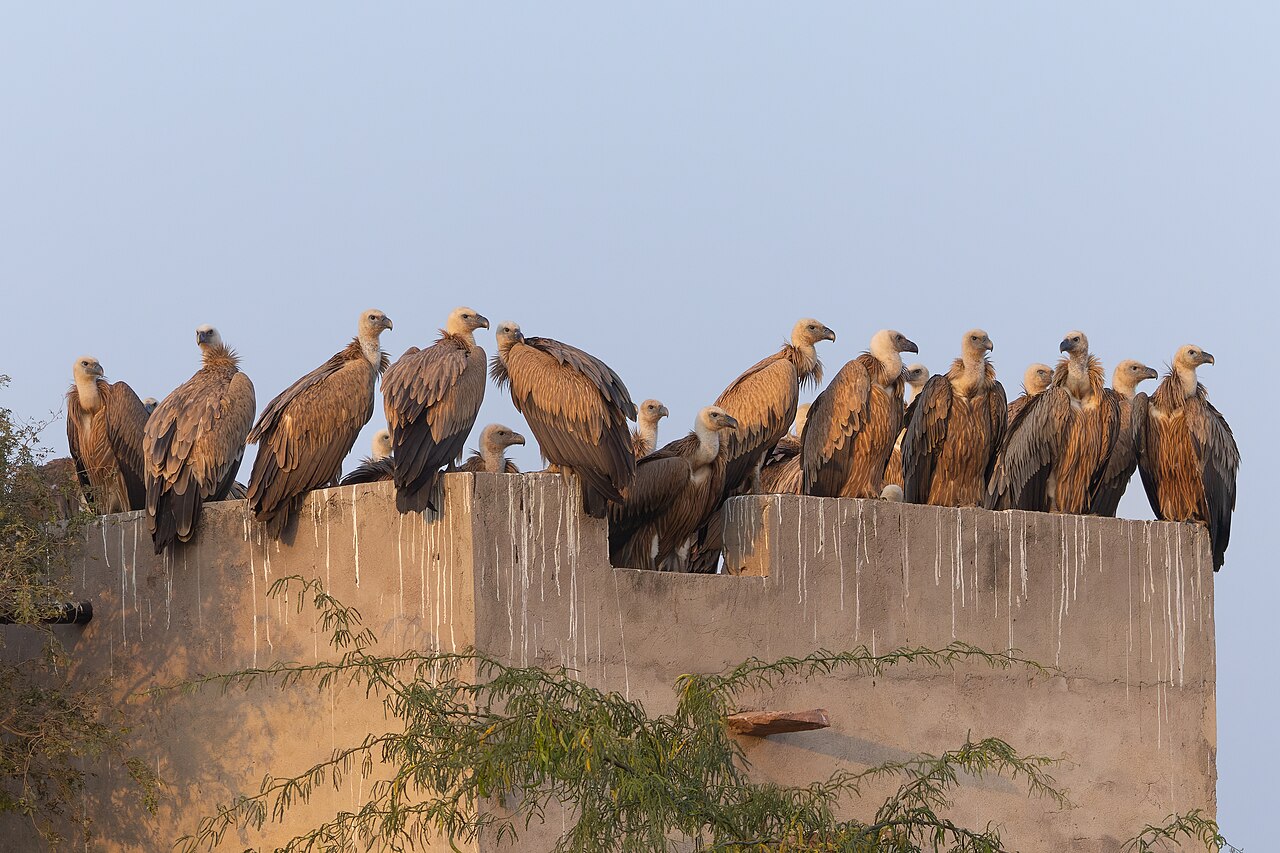
Protect the food chain as well as the sky
Poisons and harmful residues in carrion can threaten scavenging birds. Safe food and suitable nesting areas matter alongside the open space they use for flight.
A griffon circling above a ridge is more than a symbol of height and freedom. It is a working part of the mountain ecosystem, using air, eyesight, and the landscape’s scattered food supplies to survive.
Photo credits
Featured image: Himalayan Griffon Soaring over Ghusa Village, Api Nampa Conservation Area.jpg — Sunuwargr; CC BY-SA 4.0.

Body image 1: Himalayan Griffon in flight, Shivapuri National Park.jpg — Shadow Ayush; CC BY-SA 4.0.

Body image 2: Himalayan Griffon in Jodbeed Gadhwala Conservation Reserve November 2025 by Tisha Mukherjee 04.jpg — Tisha Mukherjee; CC BY-SA 4.0.

Photographs resized for web display where available. Existing crops are identified in their source filenames; captive birds and younger birds are identified in captions.