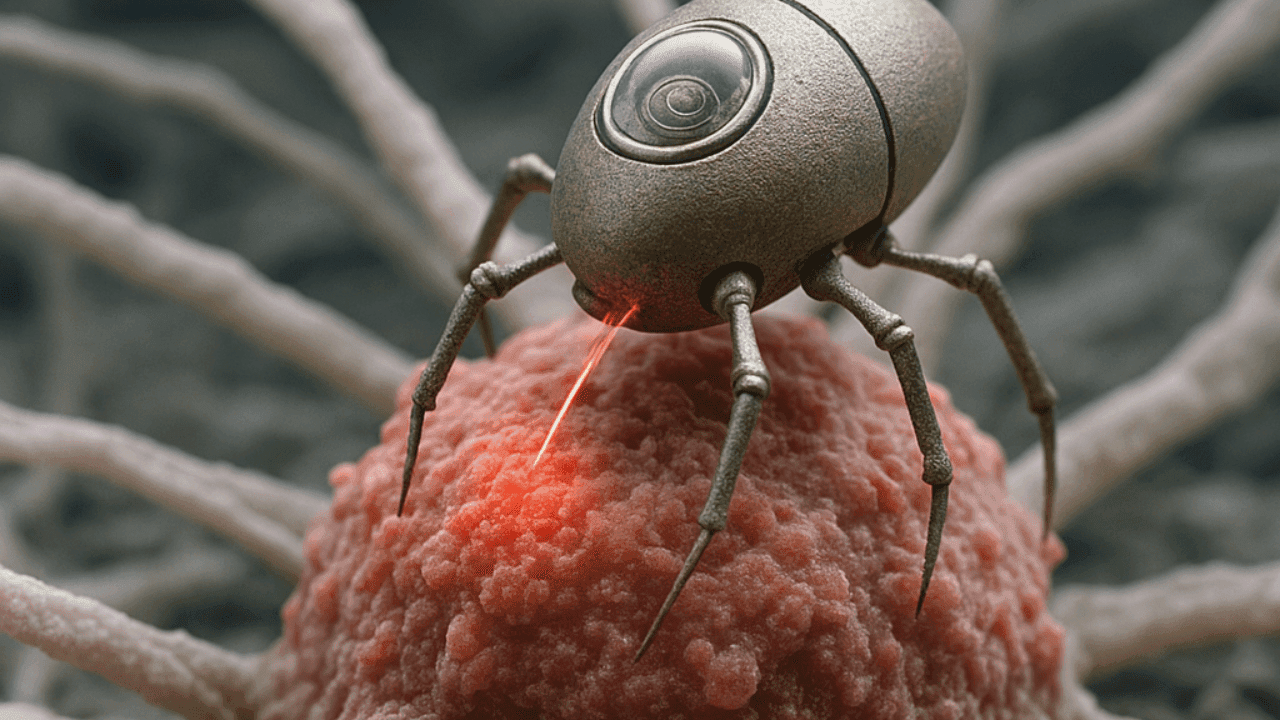
In a groundbreaking development, researchers have unveiled a DNA robotic switch that offers a new approach to cancer treatment. By autonomously displaying cytotoxic ligand nanopatterns, this innovative technology aims to selectively target tumor cells based on environmental acidity, a hallmark of tumor microenvironments. The switch is designed to minimize damage to healthy cells, thereby avoiding the toxic side effects of conventional cancer treatments.
The robotic switch functions via a pH-sensitive DNA origami mechanism that displays cytotoxic ligands in a hexagonal pattern when exposed to acidic conditions typical in tumors. At a pH level of 6.5, which is commonly found in the tumor milieu, this switch initiates clustering of death receptors on the cancer cells’ surface, triggering apoptosis. Remarkably, the switch remains inactive at a neutral pH of 7.4, akin to the environment surrounding healthy cells, effectively differentiating and targeting only the malignant cells without affecting healthy tissue. This innovation has shown promising results, reducing tumor growth by up to 70% in murine models of breast cancer.
The DNA origami switch is a product of extensive research combining nanotechnology and cancer biology to address the challenge of precise tumor targeting without causing collateral damage. Recognizing that conventional chemo and radiotherapies often lack specificity leading to undesirable side effects, this technology could revolutionize the treatment landscape, offering a potentially safer and more effective option for cancer patients.
The project led by experts from Karolinska Institutet integrates advanced DNA origami techniques to create a switch that autonomously responds to environmental cues. This could set the stage for a new class of DNA-based nanomedicines aimed at precise targeting of malignancies. Through this development, researchers are hopeful that cancer therapies can be significantly improved, reducing the burden on patients and increasing the quality of life during and after treatment. The ability to control ligand display through DNA-based switches underlines the future possibilities in personalized medicine, where treatments could be tailored to the specific tumor signatures found in individual patients, offering a more customized and efficient therapeutic approach. While human trials are still forthcoming, the implications of this technology promise a substantial advancement in the fight against cancer.