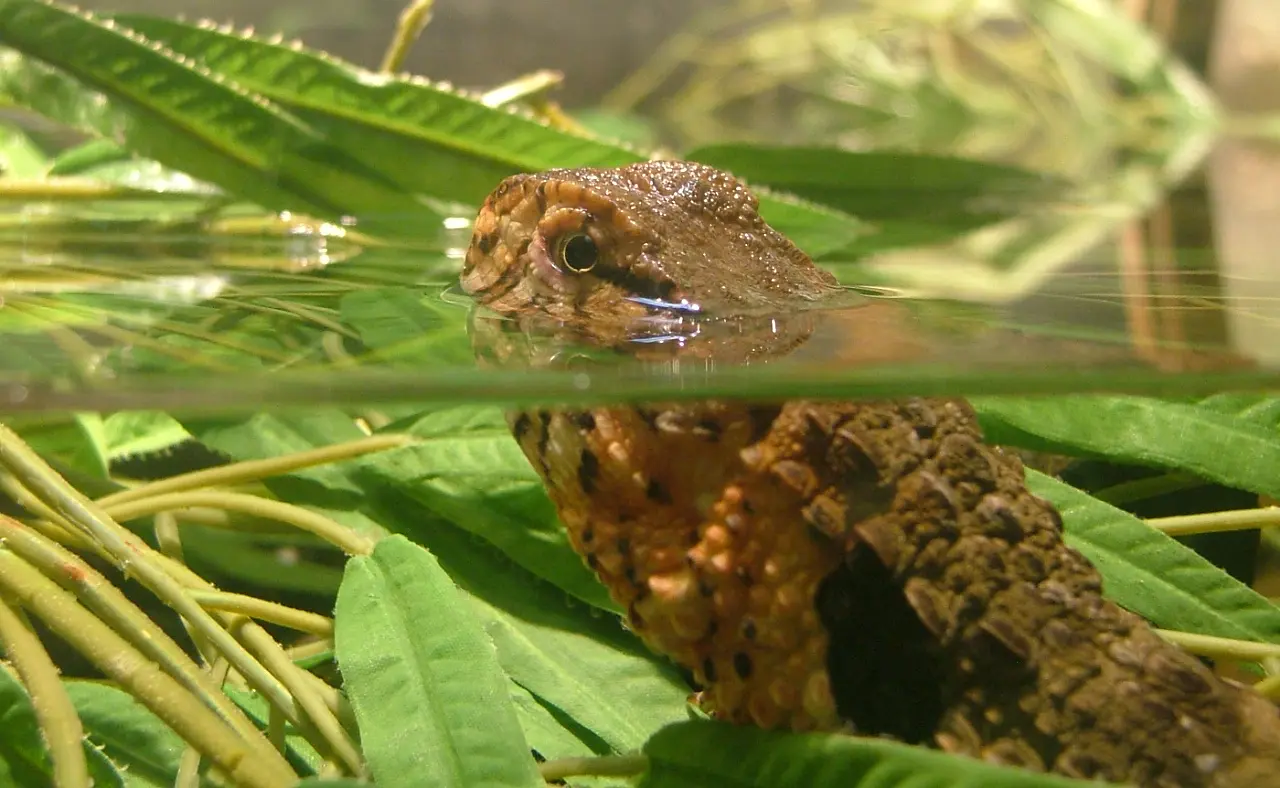
Two raised rows of scales run down the Chinese crocodile lizard's tail. They give a small forest reptile a striking resemblance to a much larger animal.
Yet Shinisaurus crocodilurus is a lizard with a story of its own. Found in southern China and Vietnam, it lives where dense vegetation meets freshwater.
A colorful forest resident
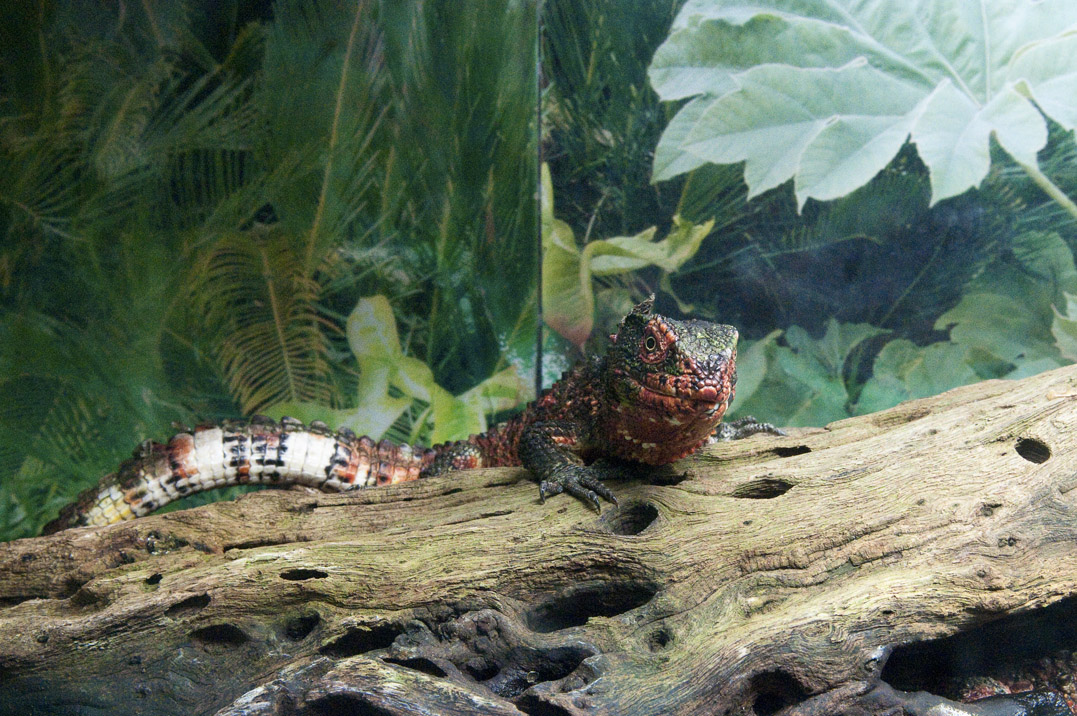
Gray-brown skin provides the background for red-orange markings along the throat and sides. Males tend to be larger and more colorful, especially during the breeding season.
The tail is the feature behind the animal's common name. Its rigid ridges give the outline a crocodilian look, even though this reptile belongs to a different branch of the reptile family tree.
Water is an escape route
When disturbed, the lizard may leap into water and swim away using its tail. It can remain submerged for extended periods, making the stream an important refuge.
Snails, insects, worms, and other small prey help support its life beside the water. Smithsonian's National Zoo describes its habitat and feeding habits.
Small streams, large responsibilities
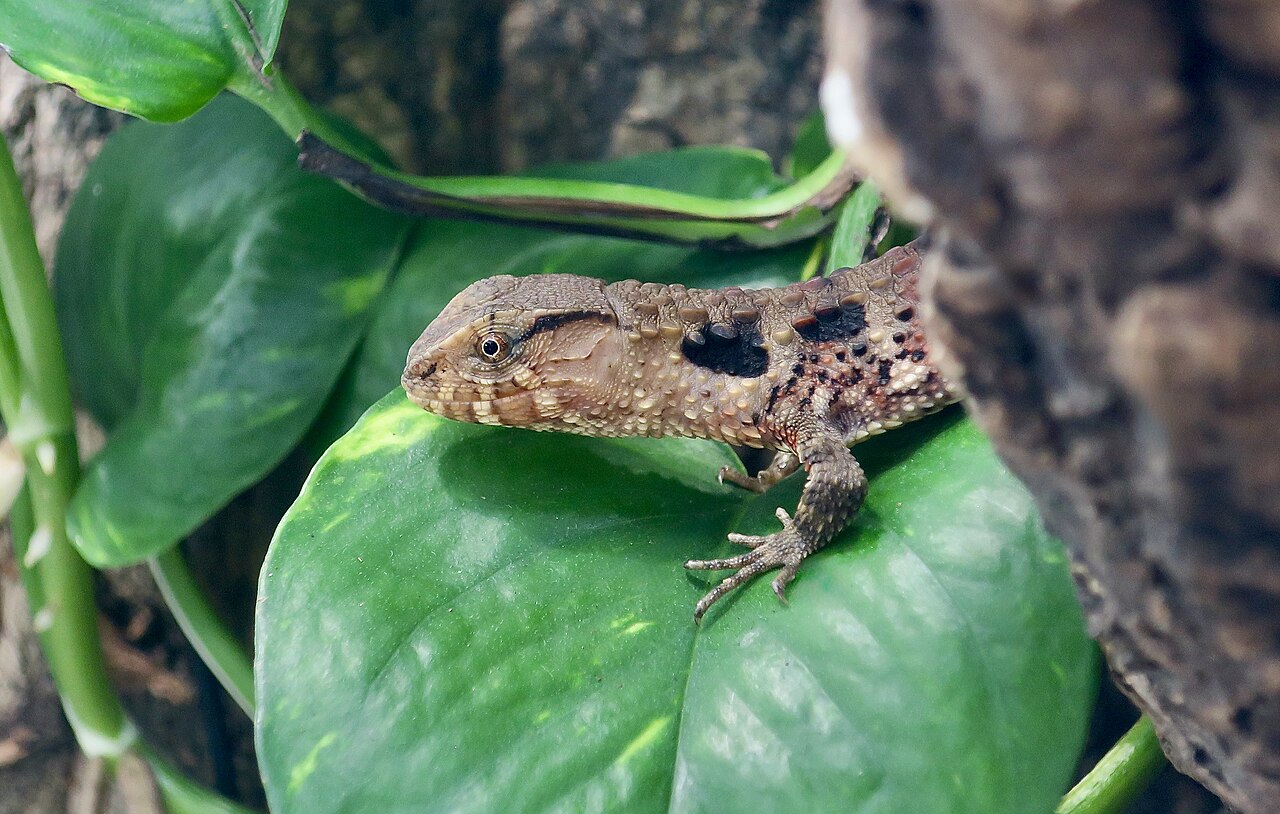
Habitat loss and collection for trade have put pressure on Chinese crocodile lizards. Forest streams need more than clear water: nearby vegetation provides shelter and resting places too.
Protecting that whole setting helps preserve the species' hidden world. The Chinese crocodile lizard shows how a quiet corner of a forest can hold something truly memorable—a reptile with bright colors, a powerful swimming tail, and a remarkable place in nature.
Photo credits
Featured image: Chinese-crocodile-lizard.jpg — User:SchmuckyTheCat; CC BY-SA 3.0.

Body image 1: Houston Zoo Chinese Crocodile Lizard (4726141446).jpg — BFS Man from Webster, TX, USA; CC BY 2.0.

Body image 2: Chinese crocodile lizard (young).jpg — RatioTile; CC BY-SA 4.0.

Photographs resized for web display where available. Existing crops are identified in their source filenames; captive animals and landscape context are identified in the captions.