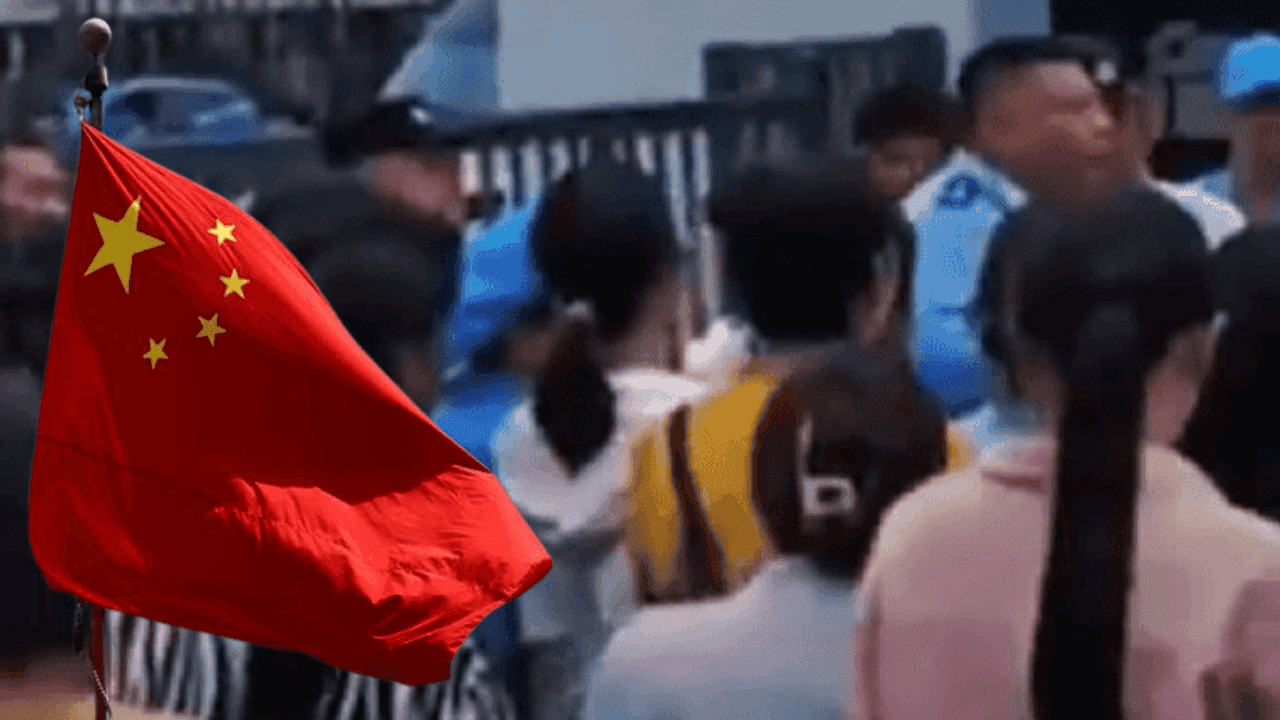
Recent developments in China have highlighted a significant surge in worker protests triggered by unpaid wages, factory closures, and the economic impact of U.S. tariffs. Reports indicate that numerous worker groups are rallying across various Chinese provinces, including Hunan, Sichuan, and Inner Mongolia, demanding overdue payments and protesting against rampant job losses.
These protests underscore a broader dissatisfaction within China’s labor force, particularly in industries affected by international trade tensions. Analysts from Goldman Sachs estimate that as many as 16 million jobs are at risk due to heightened tariffs imposed by the U.S., which have levied a 145% increase on Chinese imports. This move has not only slowed the economic growth of China but also exacerbated vulnerabilities within its labor market.
The tensions escalated notably in April 2025, with high-profile strikes such as those by workers at Guangxin Sports Goods and a Sichuan-based flexible circuit board firm. The latter had withheld wages since the beginning of the year and failed to provide social security benefits, pushing the laborers to take their grievances public. Freedom House’s China Dissent Monitor reveals that worker-related protests form a significant portion of dissenting activities recorded in the country, highlighting economic distress as a principal driver.
This situation builds on a backdrop of rising economic challenges in China, where factory closures have become increasingly common. The combination of internal management shortcomings and external economic pressures presents a formidable challenge for China as it navigates these turbulent times.
The next steps in addressing these protests involve both domestic corporate accountability and international trade negotiations to mitigate further economic harm. As the world watches, the unfolding events reinforce the urgent need for comprehensive solutions to the labor issues plaguing the nation.
The takeaway from these protests is profound: without timely intervention and strategic policy adjustments, the unrest could signify broader socio-economic repercussions for China and its trading partners.