An African wild dog's patchwork coat is distinctive, but its most remarkable feature may be the pack around it. Hunting, sharing food, and caring for pups are connected parts of its life.
Lycaon pictus is also known as the painted dog. It is a wild species, not a feral domestic dog.
A coat full of differences
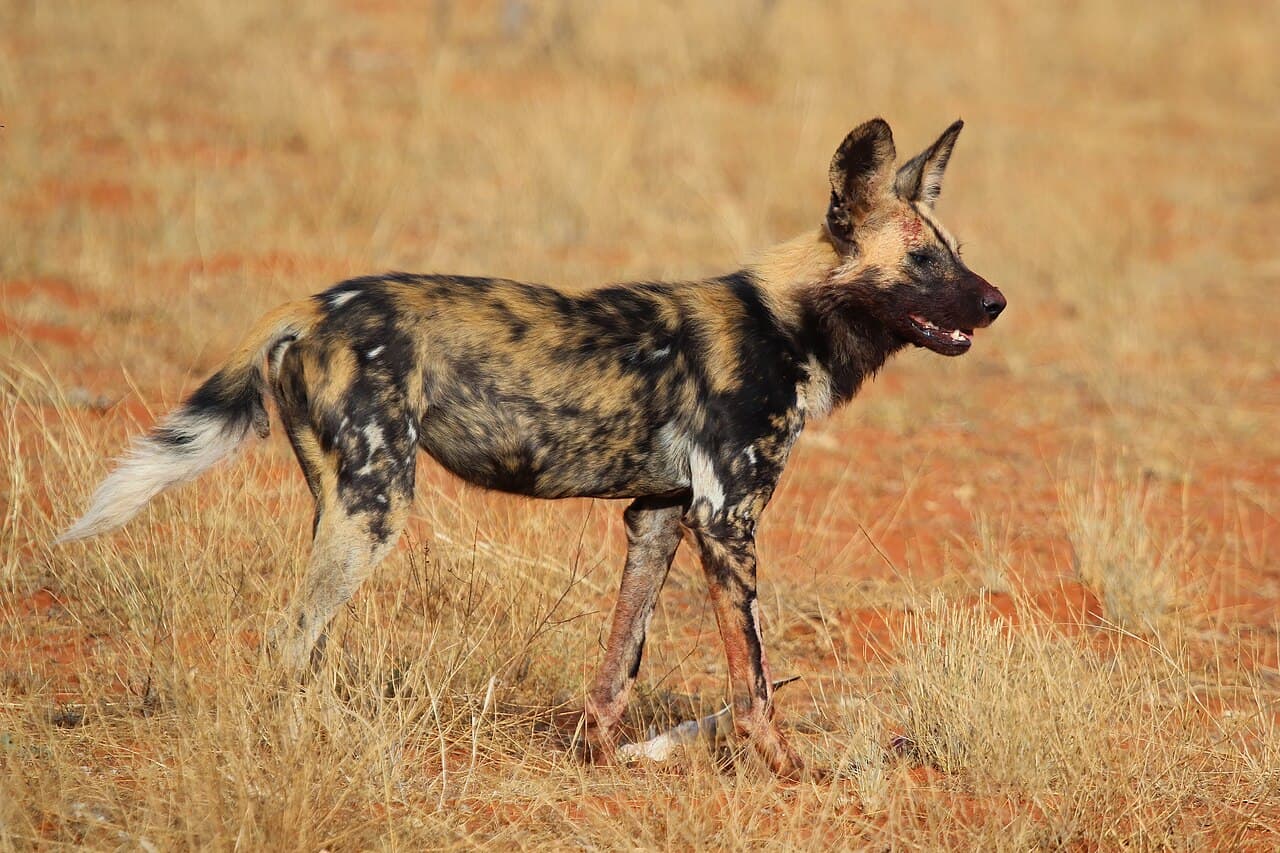
The San Diego Zoo painted-dog guide describes the irregular mixture of dark, pale, and brown markings.
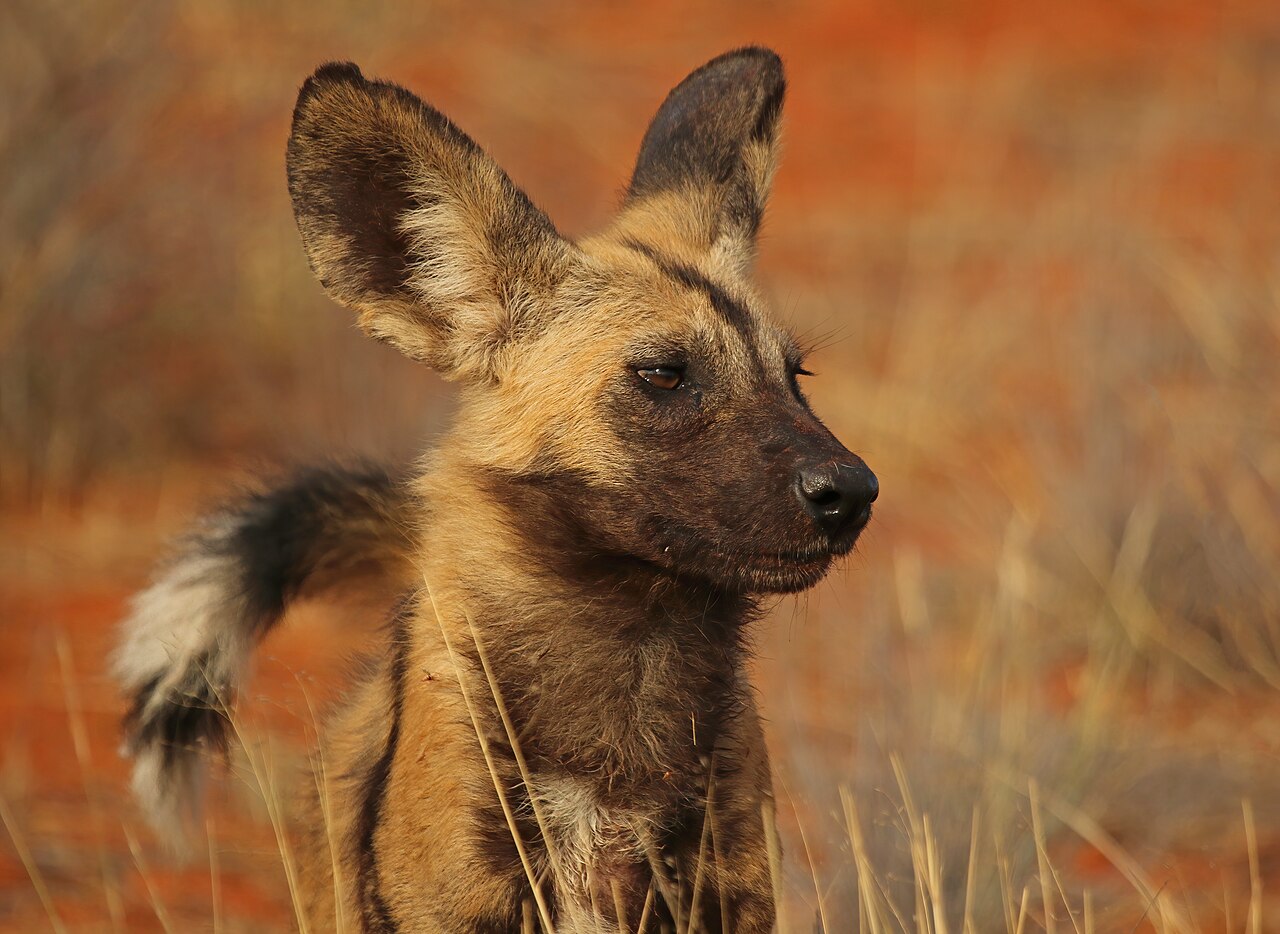
Individuals differ in pattern. Large rounded ears and a white-tipped tail add to the unmistakable outline.
Look at several animals together and the shared appearance remains clear, even as each coat changes.
The pack is more than a hunting team
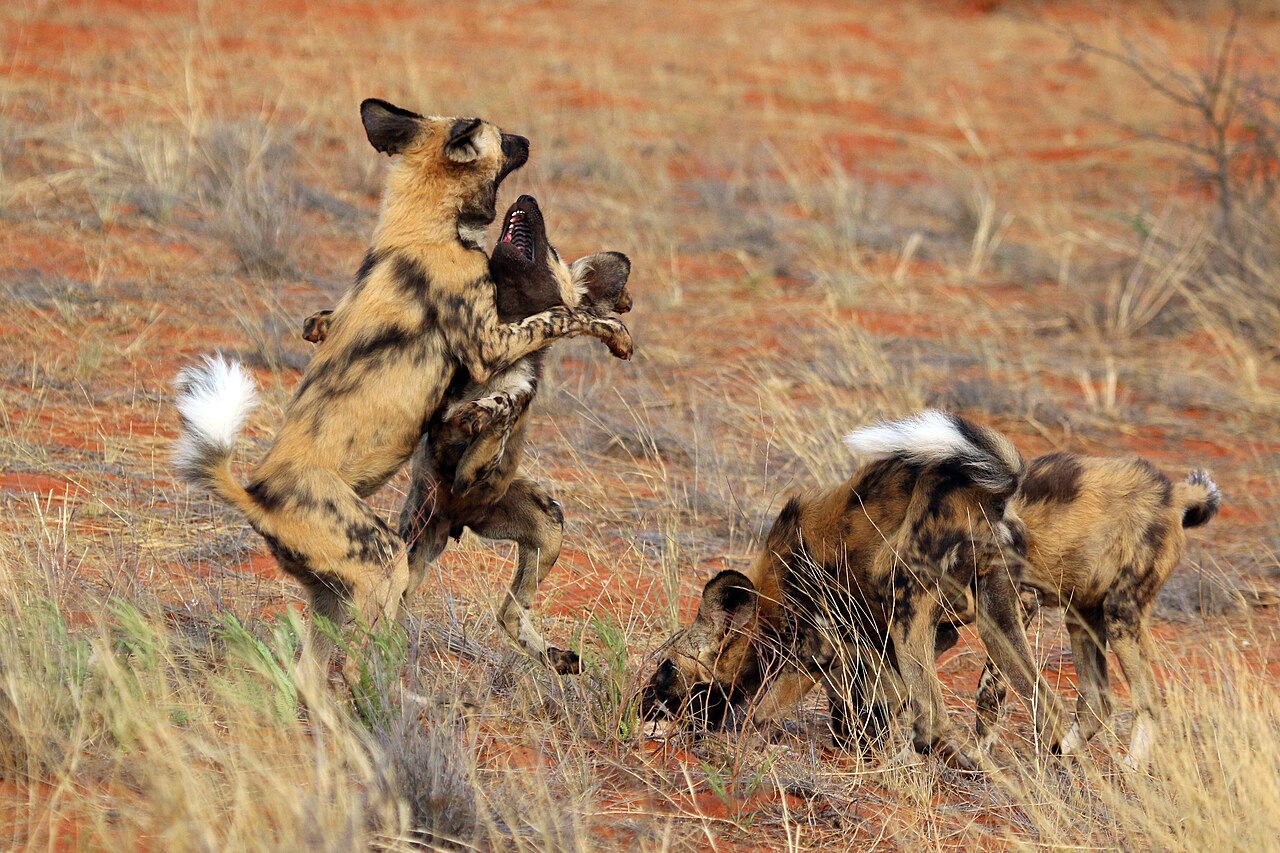
African wild dogs hunt cooperatively. Pack members also help feed pups and other animals that remain behind.
Food sharing connects a successful hunt with the next generation. Survival includes what happens after prey is caught.
Their social lives challenge the idea that a predator's story begins and ends with pursuit.
Keeping routes open
Habitat fragmentation, disease, and conflict with people threaten wild dogs. Wide-ranging packs need room to move between suitable areas.
Protecting a single attractive patch is not enough if the routes around it become unsafe.
The African wild dog's beauty is easy to see in its coat. Its deeper wonder appears in relationships: a group whose members help turn individual effort into a shared future.
Photo credits
Featured image: African wild dog (Lycaon pictus pictus).jpg — Charles J. Sharp; CC BY-SA 4.0.

Body image 1: African wild dog (Lycaon pictus pictus) head.jpg — Charles J. Sharp; CC BY-SA 4.0.

Body image 2: African wild dog (Lycaon pictus pictus) play fighting.jpg — Charles J. Sharp; CC BY-SA 4.0.

Photographs resized for web display where available.