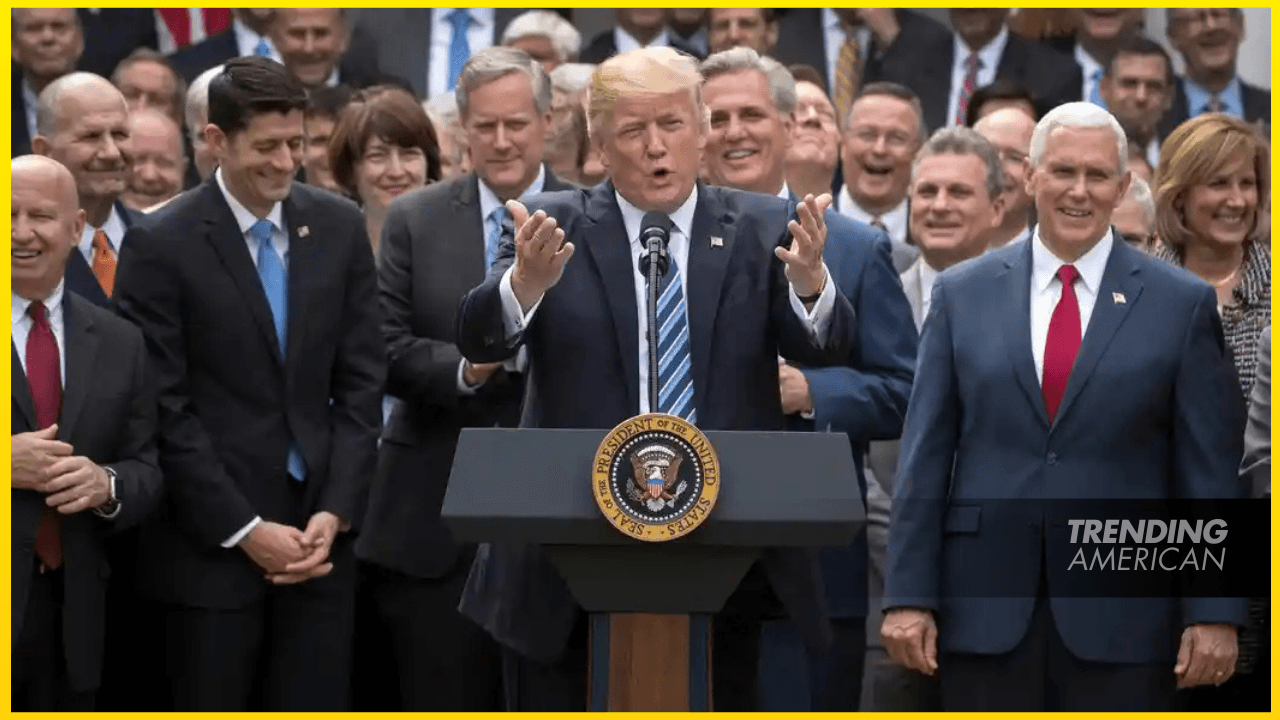
In Washington, a looming deadline on Obamacare subsidies has sharpened a split within the Republican coalition. The subsidies that help people pay for ACA plans expire at the end of the year, and there is growing pressure to extend or restructure them to prevent steep premium increases. The immediate problem is simple in arithmetic but messy in politics: without a fix, millions could see higher health care costs as the policy underpinning premium support fades away.
The responsible players are visible and fragmented. Senate Republicans led by Rick Scott and Bill Cassidy have laid out rival visions for extending subsidies or reshaping how they’re funded. The House bipartisan Problem Solvers caucus has pushed its own approach, trying to bridge the gap between what Democrats want and what Republicans can stomach. The White House has weighed in at times, signaling interest in a path that could protect consumers while maintaining fiscal discipline. Democratic lawmakers in both chambers watch closely, knowing that any plan lacking Democratic votes could fail even if GOP factions eventually converge.
The two main Senate propositions—championed by Scott and Cassidy—offer different routes to a subsidy lifeline. A parallel House Problem Solvers caucus plan seeks a compromise that could pass the Senate, if it can attract enough votes. Some proposals contemplate redirecting subsidy funds into health savings accounts or applying them to other health costs, rather than simply restoring the old subsidy structure. Trump has floated the idea of direct payments to individuals, aiming to offset premium costs, but such a step would face tough policy and budget questions.
There are multiple fault lines. Internal divisions among Republicans are obvious, with concerns about cost and policy design creating hesitation. Some GOP members worry that extending or redesigning subsidies could boost premiums in ways Democrats would oppose. Others resist changes that threaten pre-existing-condition protections. A larger strategic hurdle is the potential need for Democratic votes in the Senate, which many Republicans are reluctant to yield on principle. In the House, particular caucus factions oppose any plan they view as too risky or politically costly.
If no deal is struck before subsidies lapse, premium prices could rise sharply for many Obamacare enrollees. That outcome would not only hurt households but could create a political hazard for Republicans ahead of elections, who would be blamed for withholding relief. Democrats would likely frame the failure as a partisan setback, intensifying pressure on Republicans to act and shaping the political climate in both chambers.
The Obamacare subsidy deadline is testing GOP unity more than it has in years. The White House, Senate leaders, and the Problem Solvers caucus must navigate competing priorities—extension, funding realignment, or direct payments—against a backdrop of Democratic scrutiny and public expectations. With weeks to go, the path forward remains unsettled, and the politics of Obamacare will likely dominate Capitol Hill conversations as the year-end deadline looms.
Disclosure: We may earn a commission when you make a purchase through the ads.