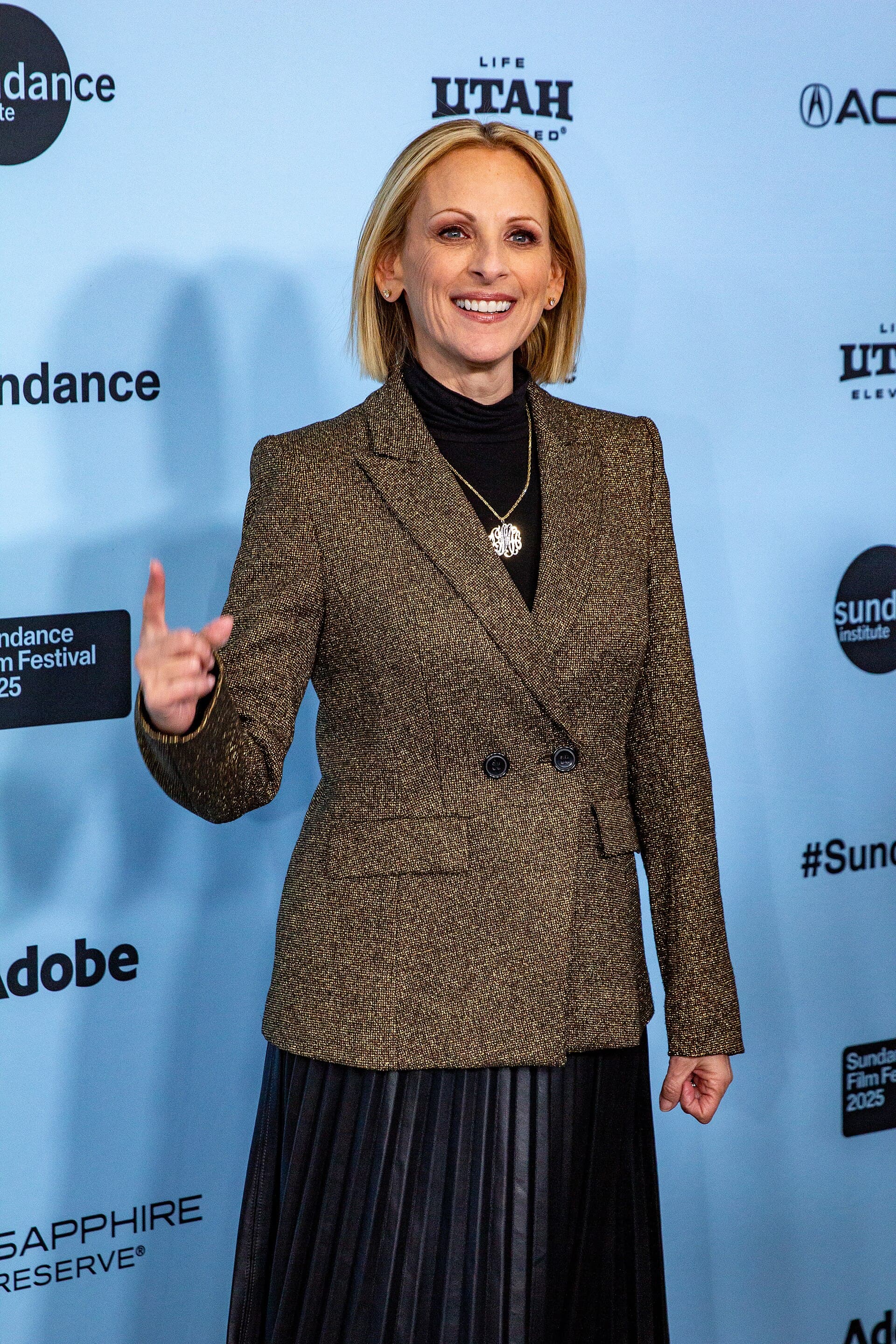
Marlee Matlin made Oscar history with Children of a Lesser God, then spent decades challenging Hollywood’s expectations.
She has continued acting, moved into directing, and revisited her life in the documentary Marlee Matlin: Not Alone Anymore. In 2026, the University of Oregon also named her its commencement speaker. Her recent story is about gaining more ways to tell stories and helping other Deaf performers get opportunities.
For viewers who remember her breakthrough or rediscovered her in CODA, there is a long career connecting those two moments.
An Oscar breakthrough that came unusually early
Matlin won Best Actress at the 1987 Academy Awards for Children of a Lesser God, released the previous year. She was 21, becoming the youngest winner in that category and the first Deaf performer to receive an acting Oscar. The Academy’s account of the ceremony records that landmark.
That achievement made her instantly recognizable. It also meant that the first chapter of her film career became the reference point for everything that followed.
An Oscar can establish someone’s talent without solving the question of which roles the industry will offer next. Matlin’s later work matters partly because it shows a career extending well beyond a single historic evening.
Readers following other actresses whose early success became a lasting public identity may also recognize that pattern in Jodie Foster’s career.
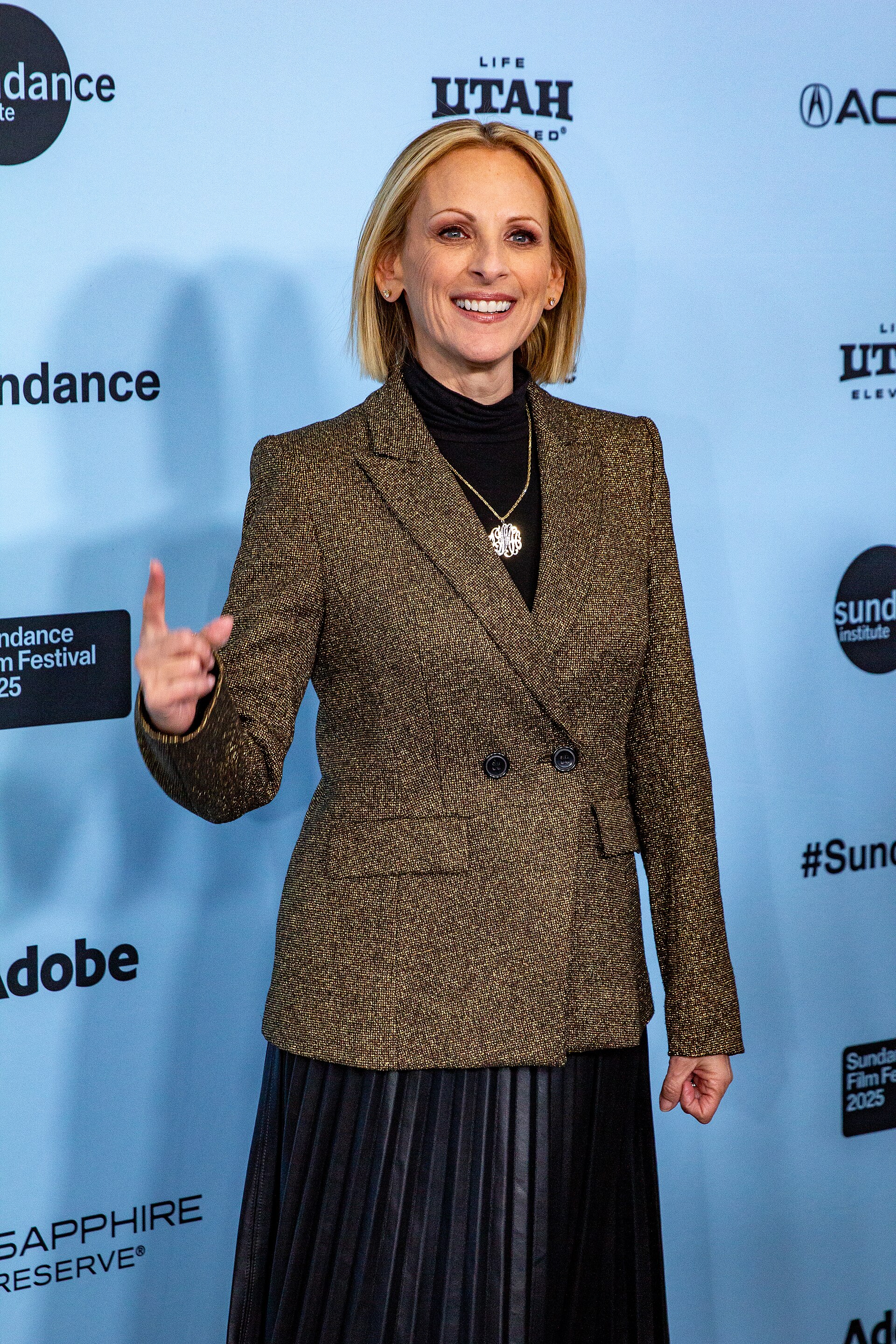
Original photograph, licensed under CC BY-SA 4.0.

Television kept her career moving
Matlin’s screen work continued across very different television series, including Seinfeld, The West Wing, The L Word and Law & Order: Special Victims Unit. Her 2026 University of Oregon interview places those credits within a career that has also involved persistent advocacy.
The range is useful context for anyone wondering why they stopped seeing her in major movie headlines. A performer can remain active while working across guest appearances, recurring roles and projects that reach different audiences.
Matlin also described the continuing difficulty of finding opportunities for performers with disabilities. Her own recognition did not make those barriers disappear for everyone else.
“Never let people define who you are,” she said in that interview. It is a concise expression of the position she has taken throughout her working life.
CODA brought a new ensemble into the spotlight
In CODA, Matlin played Jackie Rossi, the mother of a hearing teenager in a Deaf family. The film follows Ruby as she balances her family’s fishing business with her wish to pursue singing.
Apple’s official film page lists Matlin alongside Troy Kotsur, Daniel Durant and Emilia Jones. Released in 2021, the film gave its family relationships room to be funny, difficult and affectionate.
For Matlin, the casting was central to the achievement. In a PRSA interview about Deaf representation, she discussed a story written with three Deaf characters and the importance of audiences seeing that family portrayed authentically.
“You can tell great stories with deaf actors,” she said.
The film went on to win three Oscars, including Best Picture. That success gave a broad audience another way to encounter her work, this time as part of an ensemble whose relationships carried the story.
It also connected her original breakthrough to a new generation of performers. Her presence was not simply a reminder of an earlier award; she was helping tell a new family story.
Directing gave her a different kind of influence
Matlin’s work behind the camera added another dimension to that career. She made her directing debut on the Fox anthology Accused, directing the episode “Ava’s Story.”
In a 2023 interview with TheWrap, she explained decisions about casting, language and sound that shaped the episode’s perspective.
One example involved a lawyer who had originally been written as hearing. Matlin changed the character to a Deaf lawyer, played by Lauren Ridloff, strengthening the connection with the episode’s Deaf central character.
Those choices show what directing allowed her to contribute. Instead of only interpreting an assigned role, she could influence how other characters communicated and how the audience experienced their world.
For readers interested in actresses expanding their work behind the scenes, Demi Moore’s recent career offers another example of a familiar star continuing to develop new chapters.

Original photograph, licensed under CC BY-SA 3.0.

A documentary brought her own perspective forward
Marlee Matlin: Not Alone Anymore, directed by Shoshannah Stern, examines Matlin’s life beyond the familiar Oscar footage. The film premiered at Sundance in 2025 and became part of PBS’s American Masters series.
Its material includes personal archives and footage gathered over decades by her interpreter and collaborator Jack Jason. That gives the documentary access to the working life behind public appearances.
The film also treats American Sign Language as central to its storytelling. The theatrical description from Laemmle emphasizes that perspective and its use of open captions.
That approach fits the subject. A documentary about Matlin can do more than explain her achievements to hearing viewers; it can let her communicate on her own terms.
Where Marlee Matlin is now
As of November 2026, Matlin’s recent public work includes the documentary, her directing experience and her continuing advocacy for Deaf performers. Her selection as Oregon’s 2026 commencement speaker added another public platform to that work.
There is no need to explain her career as a disappearance followed by a rescue. The television roles, CODA, directing and documentary show an actress whose work has kept taking different forms.
The Oscar remains an extraordinary beginning. The years afterward show how much more there was for her to say.