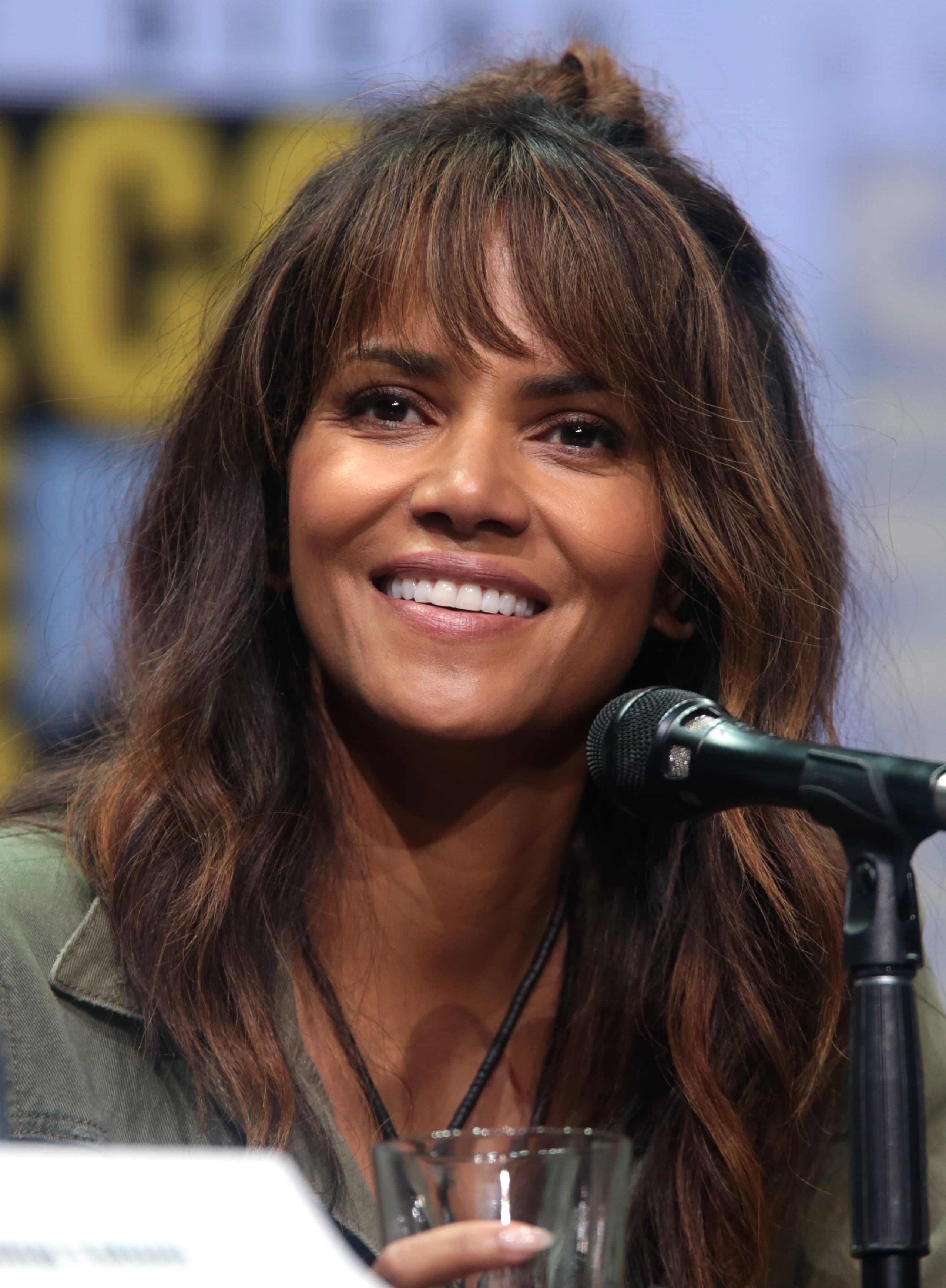
Halle Berry won an Oscar for Monster’s Ball, but her career has continued well beyond that historic night.
In 2026, she starred in Crime 101 while speaking openly about ageism, menopause and the kinds of stories she wants to produce. Recent years also brought a directing debut, an action comedy and a horror film.
So what happened to Halle Berry? She kept working, took on more creative responsibility and expanded her public life beyond acting. The question is less about where she went than how her priorities have developed.
The Oscar remains a milestone, not an ending
Berry won Best Actress at the 2002 Academy Awards for Monster’s Ball. The Academy’s official ceremony record lists her win alongside Denzel Washington’s Best Actor victory for Training Day.
Her performance made her the first Black woman to win the leading actress Oscar, a milestone documented by History’s account of the ceremony.
The role itself was emotionally demanding. Berry played Leticia, a woman whose relationship with a prison guard is entangled with grief and the death of her husband. Lionsgate’s film description makes clear how far that character was from a conventional glamorous star vehicle.
The award became an enduring part of her public identity. It can also overshadow how many different kinds of work followed it, particularly when audiences remember one era of a star’s career more clearly than another.
For another perspective on the years following major awards, read about Viola Davis’s continuing screen and creative work.
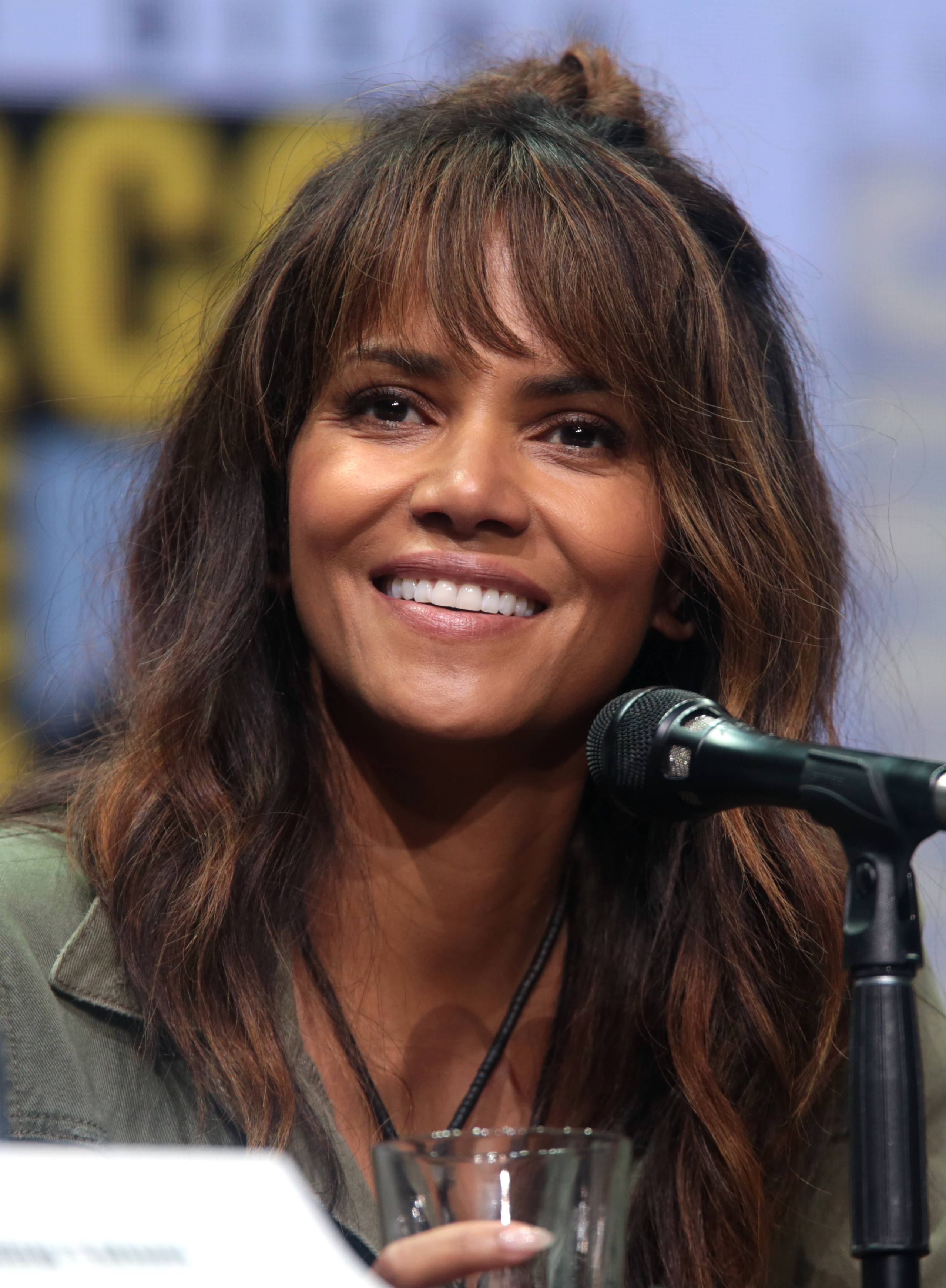
Original photograph, licensed under CC BY-SA 3.0.

Bruised put her behind the camera
A significant change came with Bruised, which reached Netflix in 2021. Berry directed the film and played Jackie Justice, a mixed martial arts fighter facing a difficult return to competition.
The character’s struggle also involves reconnecting with her young son. Netflix’s official synopsis identifies the film as Berry’s feature directing debut and places both family and fighting at the center of the story.
The production demanded more than preparing a performance. Berry was responsible for shaping the entire film while carrying its leading role.
At a Directors Guild of America discussion, she described two years of training and the difficulty of keeping the independent production going after she suffered broken ribs early in filming.
That account offers a concrete view of her move into directing. It was a substantial professional undertaking involving preparation, financing pressures and decisions beyond what audiences see on screen.
Two 2024 films showed different sides of her work
Berry returned to action comedy in The Union, playing Roxanne opposite Mark Wahlberg. Her character is a secret agent who pulls a former high school boyfriend into an intelligence operation.
Netflix’s guide to the film describes that combination of romantic history, espionage and ordinary people entering extraordinary circumstances. The film arrived in 2024.
The same year, Never Let Go offered a very different setting. Berry played a mother trying to protect her twin sons in an isolated home, with the family’s safety tied to rules the children begin to question.
The official film site presented it as a psychological thriller, directed by Alexandre Aja. Its enclosed family world contrasts with the international action of The Union.
Taken together, those releases show why a single label does not explain this period of her career. She was moving between genres rather than settling into one familiar type of part.
Crime 101 connected with her experience of aging
In Crime 101, Berry played Sharon Combs, an insurance broker whose work brings her into the orbit of a jewel thief played by Chris Hemsworth.
During a February 2026 NPR interview, she connected Sharon’s frustration with feeling undervalued to pressures women can face as they grow older.
“I know I have so much more to give,” Berry said.
She discussed ageism alongside the racism and sexism she had already encountered. The role therefore gave her a way to address something more specific than the usual question of whether a star is still famous.
She also told NPR that she wants more films written, produced and directed by women. That ambition helps explain why her work behind the camera belongs in any account of her career now.
Original image, licensed under CC BY 3.0.

Her public work now includes menopause advocacy
Berry has also made menopause a prominent subject in her public appearances. In the same NPR conversation, she discussed her company Respin and her interest in improving women’s access to information, research and care.
She has continued that conversation outside film promotion. At a September 2026 event, she spoke about accepting aging and recognizing that her identity extends beyond her appearance, according to People’s reporting.
These comments are statements about her experience and priorities. They also help explain why audiences may now encounter her in discussions about women’s lives as often as in conversations about a movie role.
Brooke Shields’s recent career similarly includes public conversations about aging alongside continued entertainment work.
Where Halle Berry stands today
As of November 2026, Berry’s recent career includes acting in Crime 101, building on her experience directing Bruised, and speaking publicly about women’s opportunities as they age.
Her recent film credits provide a straightforward answer to any suggestion that she simply left Hollywood. The work continued, even as the mix of projects and public interests changed.
The Oscar remains part of her story. Directing, genre films and advocacy show the chapters that have followed it.