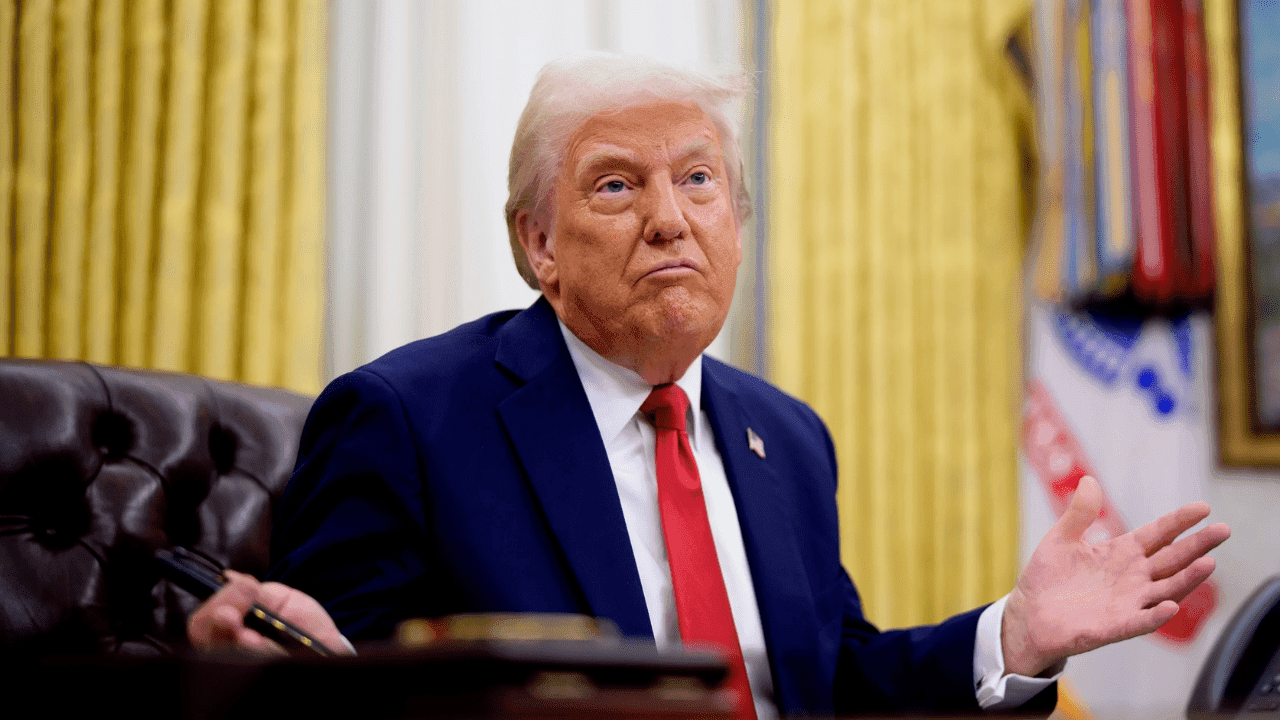
In a dramatic escalation of the trade war, US President Donald Trump announced that the United States will impose a sweeping 104% tariff on all Chinese goods, effective immediately as of midnight on April 8, 2025. This move represents one of the most aggressive economic actions taken in the ongoing trade conflict between the two superpowers. The White House has framed this decision as a necessary countermeasure to China’s alleged unfair trading practices, such as intellectual property theft and market manipulation.
The decision to impose such high tariffs signals the most significant intensification of economic hostilities since the trade dispute began. Experts have warned that this may further strain relations at a time when collaboration is necessary to tackle global economic challenges.
Economically, the tariffs are expected to severely impact industries reliant on Chinese imports, ranging from electronics to consumer goods. Analysts predict that this move could lead to disruptions in global supply chains and potentially higher prices for consumers. There is growing speculation about China’s potential retaliation, with Beijing already hinting at countermeasures.
During a press conference, President Trump stated that the new tariffs are intended to “level the playing field” and addressed other nations exploiting trade imbalances to the detriment of the U.S economy. He warned that should China impose retaliatory tariffs, the U.S would respond with even higher tariffs.
This announcement follows months of escalating tensions and increasing tariffs that have already impacted both economies significantly. The tariffs, according to Trump advisors, are a strategic move to pressure China into reopening negotiations on more favorable terms. This approach comes with the risk of further alienating trade partners and could derail the global economic recovery.
As the situation develops, experts caution about the potential adverse effects on the U.S. economy, noting that industries may struggle with added costs and potential supply chain disruptions. The full impact of the tariffs will unfold in the coming months, but the immediate aftermath is expected to bring economic challenges on a global scale.
In summary, this bold move by the Trump administration emphasizes its focus on addressing perceived unfair trade practices by China. However, the implications could reverberate far beyond the U.S. and China, affecting global markets, trade relationships, and economic strategies worldwide.