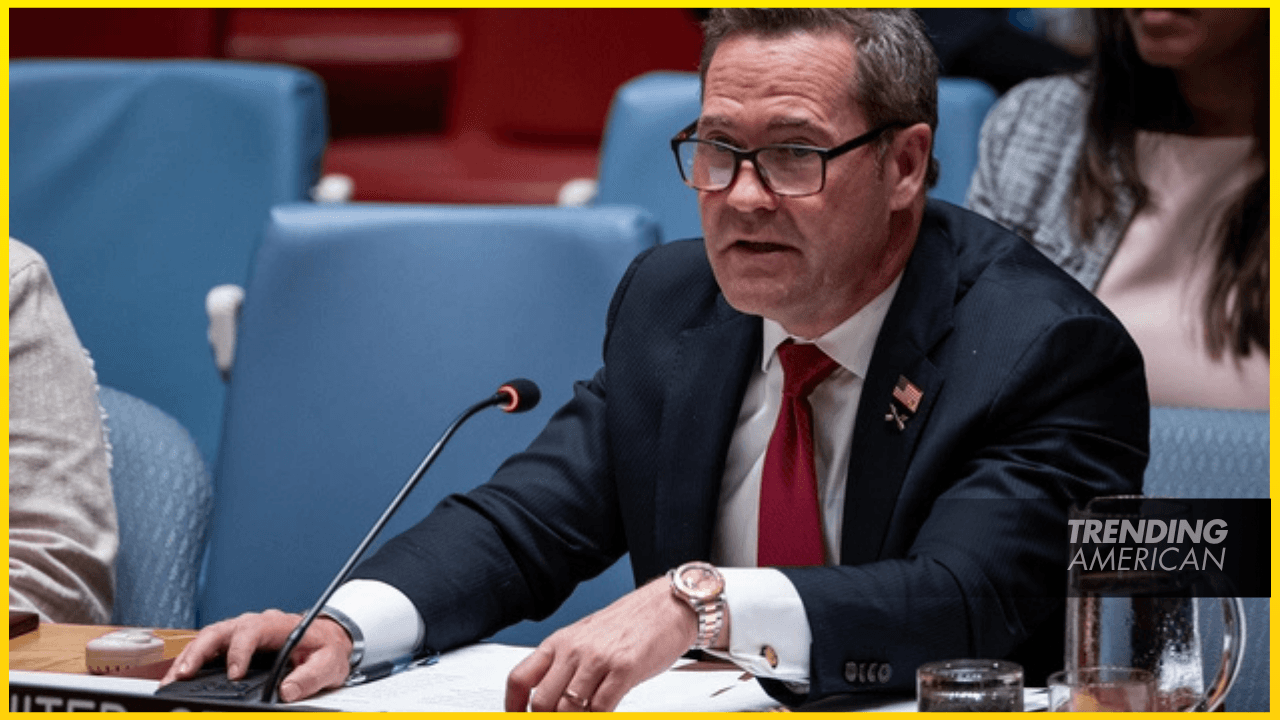
On an icy day in November 2025, the United Nations Security Council convened in New York to cast a pivotal vote. They ended up approving a U.S.-drafted resolution that ratifies Donald Trump’s ambitious 20-point peace plan for Gaza. The resolution passed overwhelmingly with a 13-0 vote, while global powers Russia and China chose to abstain, circulating a rival proposal.
At the heart of Trump’s audacious roadmap is the establishment of a transitional governing body, poignantly termed the Board of Peace. The plan seeks nothing less than a comprehensive ceasefire between Israel and Hamas, paving the way for the reconstruction of Gaza, prisoner exchanges, and ultimately, dialogue aimed at co-existence between Israel and Palestine.

US Ambassador Mike Waltz hailed this as “one of the biggest approvals in the UN’s history,” emphasizing it as a significant stride towards peace. However, the endorsement incited a mixed bag of reactions across the globe. While the Palestinian Authority stood ready to cooperate, Hamas dismissed the plan outright, lamenting the proposal as a tip towards Israeli favoritism.
Israeli Prime Minister Benjamin Netanyahu, while opposing the plan, vowed a hardline approach to demilitarize Gaza by force if needed. The geopolitical chessboard has never been more complex, marked by new hopes and fears of setbacks. With international eyes closely watching, what unfolds next could very well define the tectonic dynamics of Middle East peace for years to come.
Disclosure: We may earn a commission when you make a purchase through the ads.