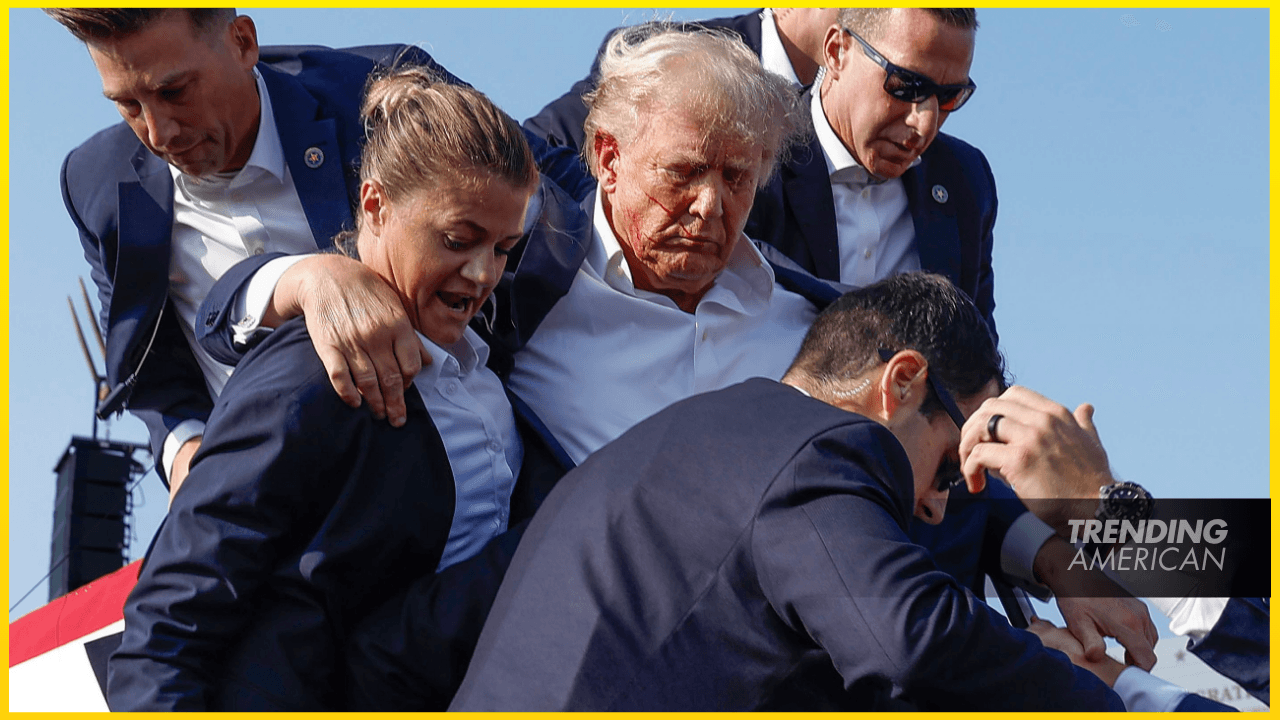
On July 13, 2024, Thomas Matthew Crooks attempted to assassinate former President Donald Trump at a rally in Butler, Pennsylvania. Despite firing eight shots from an AR-15-style rifle, Trump was narrowly missed. However, the attack took the life of one bystander and injured several others before Crooks was neutralized by a Secret Service sniper.
In the chaotic aftermath, investigations exposed serious failures by the FBI and Secret Service, who seemingly ignored Crooks’ radical and violent digital footprint. His extensive online activity, which pivoted from a pro-Trump stance to radical anti-Trump rhetoric, should have flagged concern. Yet, agencies failed to act, raising urgent questions about their threat assessment capabilities.
The FBI, led by then-Director Chris Wray, reported to Congress that Crooks’ online presence offered no warning indicators. This claim stands at odds with uncovered records, suggesting a profoundly different narrative, one entwined with extremist ideologies and flagged threatening behavior. This oversight’s gravity is compounded by the lack of transparency from federal agencies, feeding public skepticism and conspiracy theories—a reality even Trump criticizes as unsatisfactory.
These revelations demand a complete and truthful disclosure from the FBI and Secret Service. As theories mushroom, the truth must surface to ensure accountability and restore public trust. Why were crucial signs ignored, and who will answer for these lapses?
Disclosure: We may earn a commission when you make a purchase through the ads.