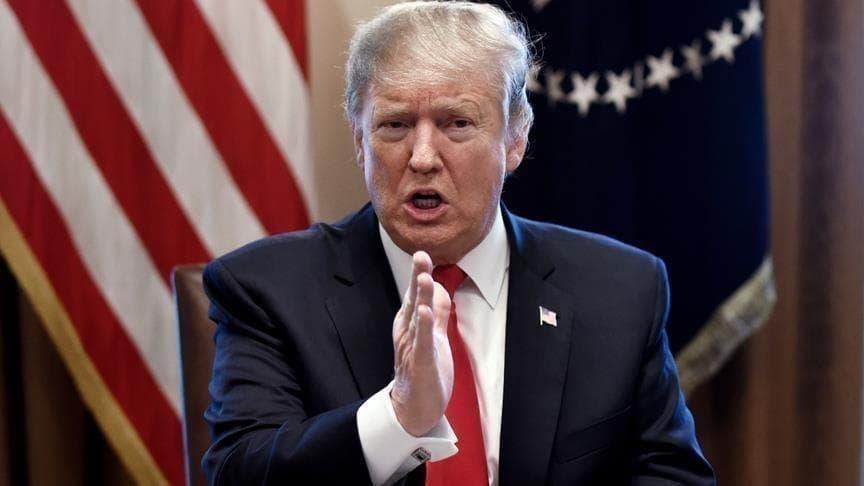
In a move that underscores the fragility of cross-border water management amid drought, President Donald Trump on December 8, 2025 publicly demanded that Mexico fulfill its water-sharing obligations under the 1944 Rio Grande treaty. He threatened to impose an additional 5% tariff on Mexican goods if Mexico does not release water owed to U.S. farmers, particularly in Texas, where growers rely on deliveries across the Rio Grande. The dispute centers on water allocations across the Rio Grande basin and the functioning of the treaty framework, with U.S. farmers and Texas irrigation districts pushing hard for timely deliveries.
Mexico’s Economy Ministry has argued that drought conditions and existing treaty disputes complicate water transfers, citing the need to balance scarce resources with regional obligations. The Mexican side has stressed that drought and other factors affect water availability, framing the issue as a broader water-management challenge rather than a straightforward breach of treaty terms.
The potential consequences of a tariff decision are significant. If enacted, a 5% tariff on Mexican goods could strain bilateral relations, alter trade dynamics, and ripple through the agricultural sector on both sides of the border. Farmers in Texas, who depend on reliable water deliveries, could face cascading effects on crop viability, planning, and livelihoods, while Mexican producers could absorb some of the cost through price changes or reduced exports. The standoff sits at the intersection of drought resilience, treaty compliance, and political signaling in a high-stakes policy area where water is as much a political resource as a physical one.
Disclosure: We may earn a commission when you make a purchase through the ads.