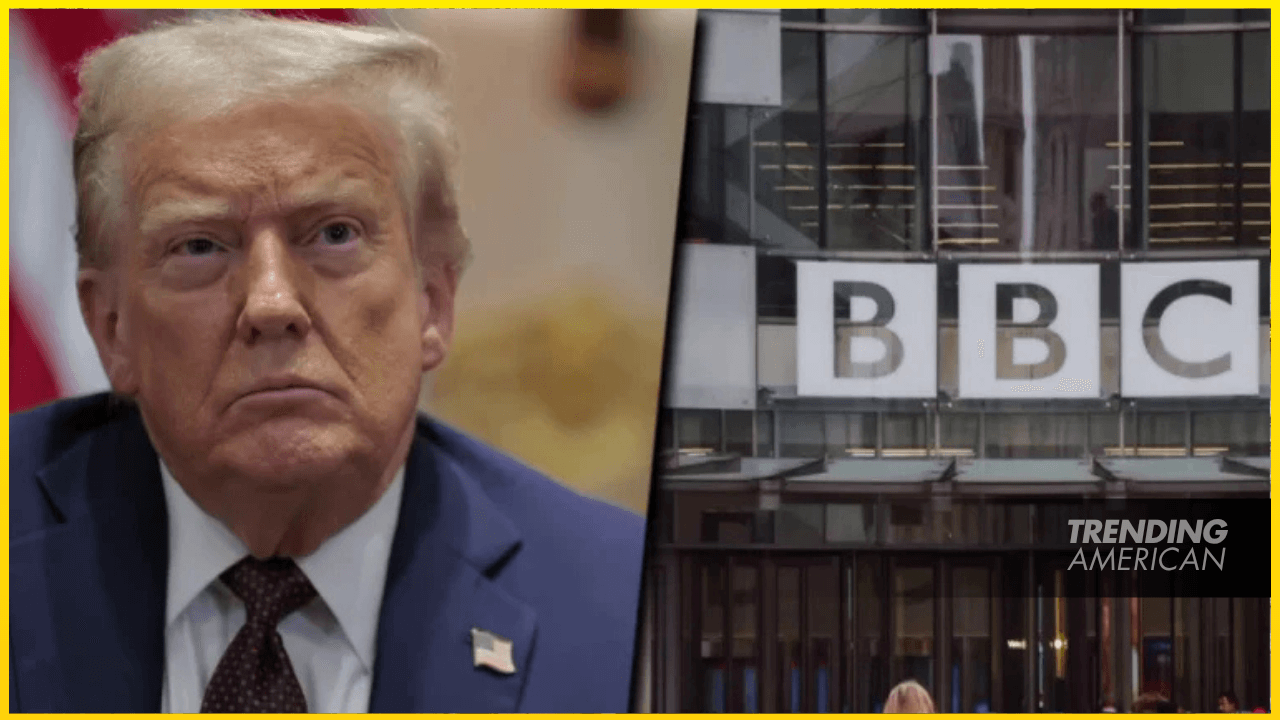
Donald Trump is pushing a drama that’s captivating media channels worldwide. With a legal team armed and ready, they demand the BBC retract and apologize for a controversial Panorama documentary edit or face a staggering $1 billion lawsuit. The documentary, aired back in October 2024, edited Trump’s January 6, 2021 speech to appear as if he incited the Capitol Hill riot, a perceived defamation by Trump’s camp.
This legal action threat extends beyond borders, planning to file the lawsuit in Florida, where Trump’s team believes it has the upper hand due to the state’s libel laws allowing a two-year window to lodge such claims. In the eye of this media storm, two significant figures at the BBC, Director-General Tim Davie and CEO Deborah Turness, have already resigned amid the unrest ignited by leaked accusations.
The BBC, having admitted to an ‘error of judgment,’ now stands at a crossroads, scrutinized for its editorial choices amidst rising calls for reinforced journalistic integrity. Conservative voices have labeled the institution biased, while BBC Chair Samir Shah grapples with political and public pressure to rectify this broadcasting blunder.
While Trump’s ultimatum hangs in the balance with a November 14 deadline, debates rage on about media practices worldwide. Can the BBC navigate this tempest, or will Trump’s legal challenge set a precedent, re-shaping media ethics and accuracy on a global scale?