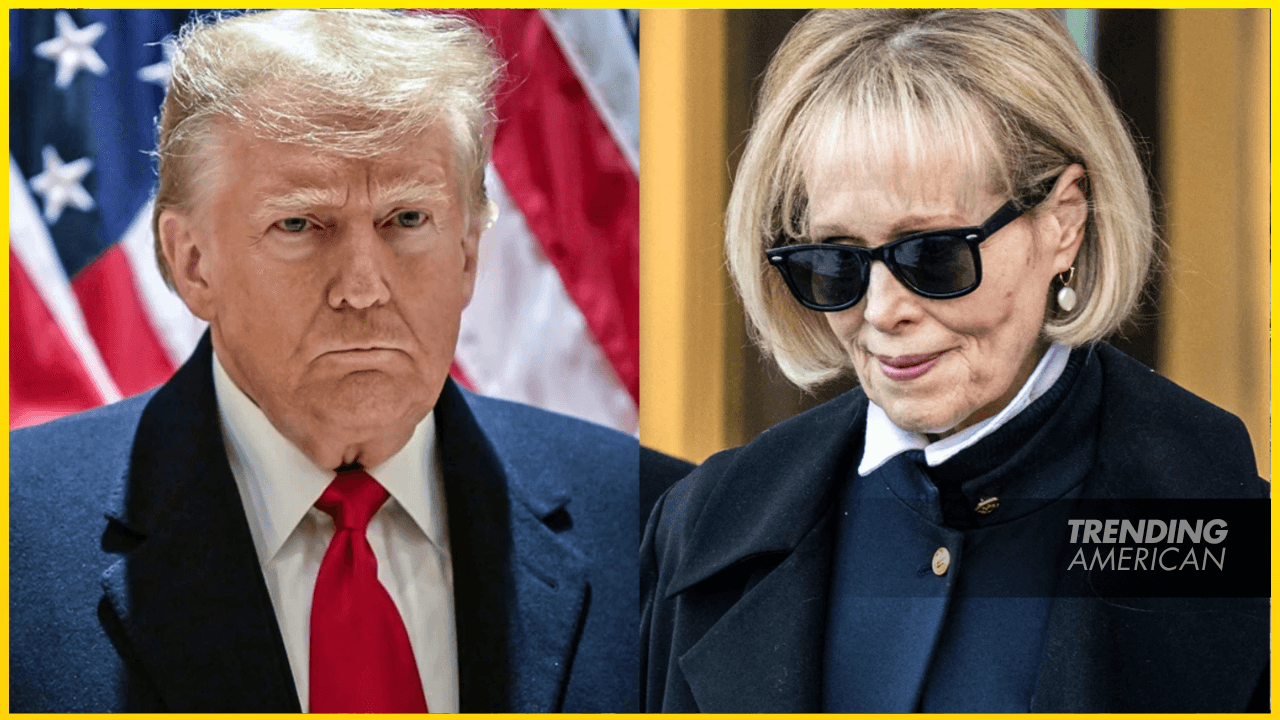
Donald Trump has taken his legal battle to the U.S. Supreme Court, seeking to overturn a jury’s $5 million verdict that found him liable for sexually abusing and defaming E. Jean Carroll in the 1990s. This move follows a series of courtroom denials from lower courts, including the 2nd U.S. Circuit Court of Appeals.
During the trial, which captured public attention in 2023, Carroll testified that Trump assaulted her in a Bergdorf Goodman department store. Trump’s legal team, led by Justin D. Smith, argues the case was a “politically motivated hoax” built on “indefensible evidentiary rulings” by trial judge Lewis A. Kaplan.
The allegations, part of a broader series of claims by women against Trump, were initially dismissed by him as fabricated stories without physical evidence or eyewitness accounts. Despite this, Carroll’s charges stuck, partially due to additional testimony from other accusers who painted a similar picture of Trump’s behavior across decades.
Roberta Kaplan, Carroll’s attorney, maintains confidence in the judgments, saying past rulings reflect the strength of evidence against Trump.
This case emerges as another flashpoint in the contentious relationship between Trump and the judicial system, with his appeal insinuating broader political motivations—”Liberal Lawfare,” as described by his team.
The appeal, now in the hands of the Supreme Court, presents a challenging decision that could have lasting implications, especially with the court’s current conservative makeup. Should the decision favor Trump, it may embolden similar future defenses, punctuating Trump’s persistent narrative of victimization by legal institutions.