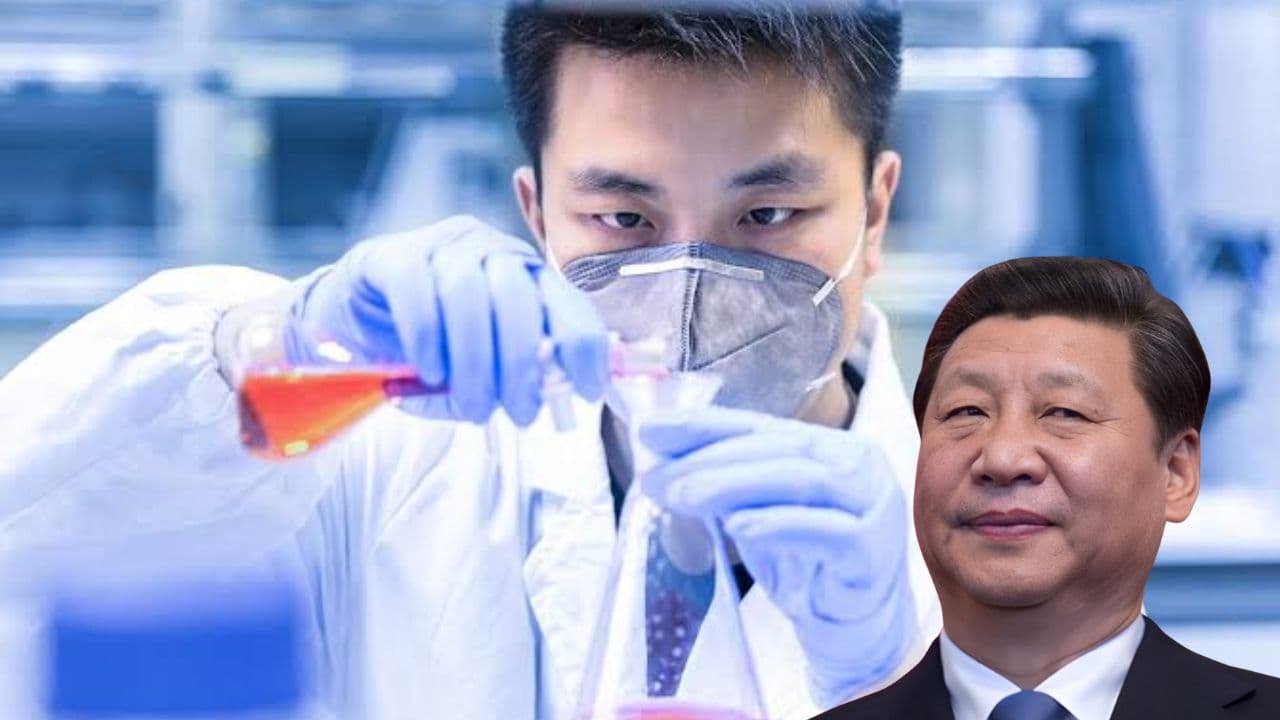
In China’s southern city of Shenzhen, the biotech company Lonvi Biosciences says it is racing to turn a bold vision into reality: helping humans live far beyond today’s limits.
The push comes after a surprising moment when world leaders Xi Jinping and Vladimir Putin reportedly spoke of living to 150 years old during a conversation caught on a hot-mic — an exchange that spotlighted China’s growing ambition in longevity science. :What the Pill Claims to Do
Lonvi says its drug uses a compound called procyanidin C1 (PCC1), derived from grapeseed extract, to target senescent cells — often called “zombie cells” — that no longer function well and may harm healthy tissues.
In early tests on mice, researchers say the compound increased life span by clearing those damaged cells and protecting the healthy ones. The firm claims that with the right lifestyle and medical care, humans might be able to push toward lives of 120 years or more.
Why This Matters — and What’s Still Unknown
Longevity science is becoming a strategic focus for China, as it seeks to compete in cutting-edge biotech.
But experts warn the public that the claims are still in early stages. A pill showing promise in mice is far from proven safe or effective in humans.
Implications & Broader Impact
If such treatments work, they could reshape health care, retirement planning, and global demographics. But they also raise questions about safety, fairness, and what it means to age “normally.”
China’s ambition to extend human lifespan raises policy and ethical debates: who gets access, how costs are managed, and what happens when people start living much longer lives.
For now, Lonvi’s claims highlight how science, politics, and culture are converging around a once-futuristic idea: extending human life far beyond what was once considered possible.