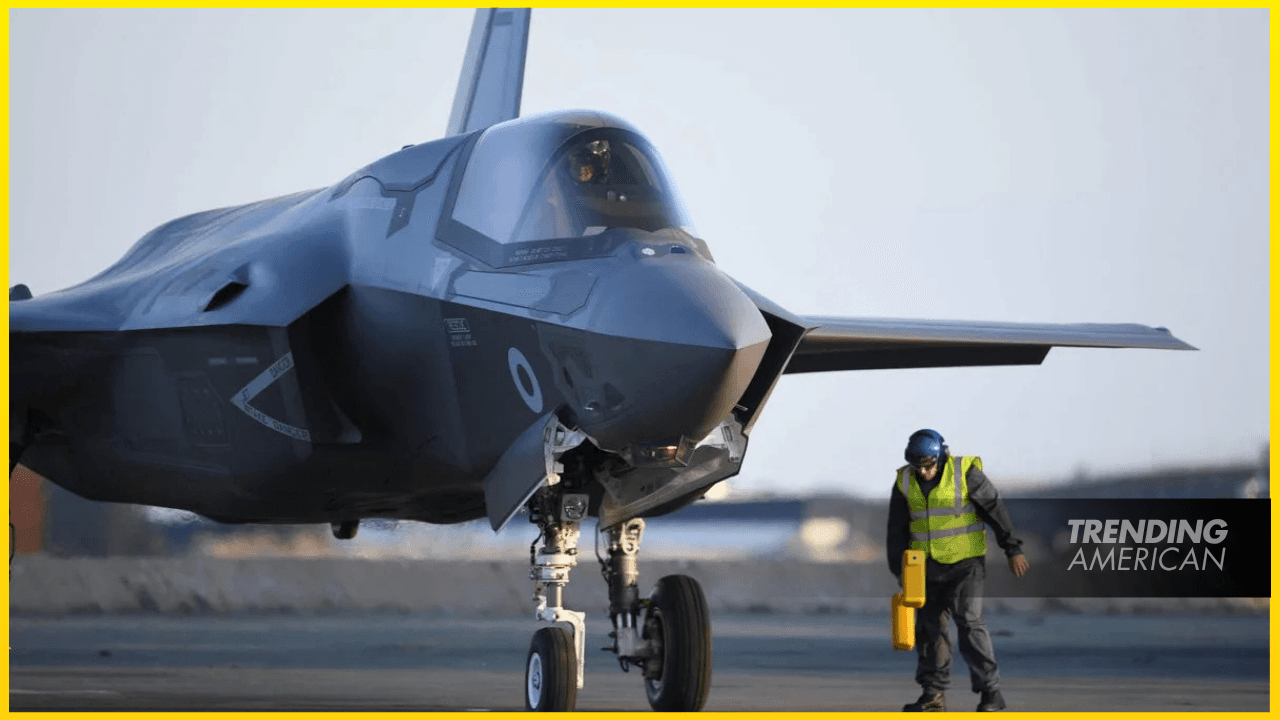
Amid swirling debates and geopolitical tensions, U.S. President Donald Trump greenlit the sale of up to 48 F-35 fighter jets to Saudi Arabia during Crown Prince Mohammed bin Salman’s visit to Washington D.C. This landmark deal, backed by defense giant Lockheed Martin, spotlights the strengthening ties between Trump and the Saudi regime—contrasting sharply against prior U.S. policies avoiding such sales.
The F-35, renowned for its stealth capabilities and state-of-the-art design, marks a strategic leap for Saudi Arabia, who has long aspired to bolster its military prowess against looming threats from Iran and ongoing conflicts like the Yemen war. Yet, this decision has stirred a maelstrom of controversy, as it deviates from America’s long-standing commitment to securing Israel’s qualitative military edge in the turbulent Middle Eastern landscape.
While Saudi Arabia eyes enhanced regional influence, detractors, including factions within the U.S. Congress and major stakeholders in Israel, voice concern over the potential reshaping of power dynamics. Critics question whether the decision prioritizes American economic interests over regional stability.
Despite these concerns, Trump’s administration seems unfazed by prior hesitations, arguing the sale reinforces a bipartisan commitment to partnership with the Gulf nation. As the debate rages on, the world watches closely, pondering the consequences of this audacious move—one that could redefine alliances and unsettle fragile peace in a region already haunted by unrest.
Disclosure: We may earn a commission when you make a purchase through the ads.