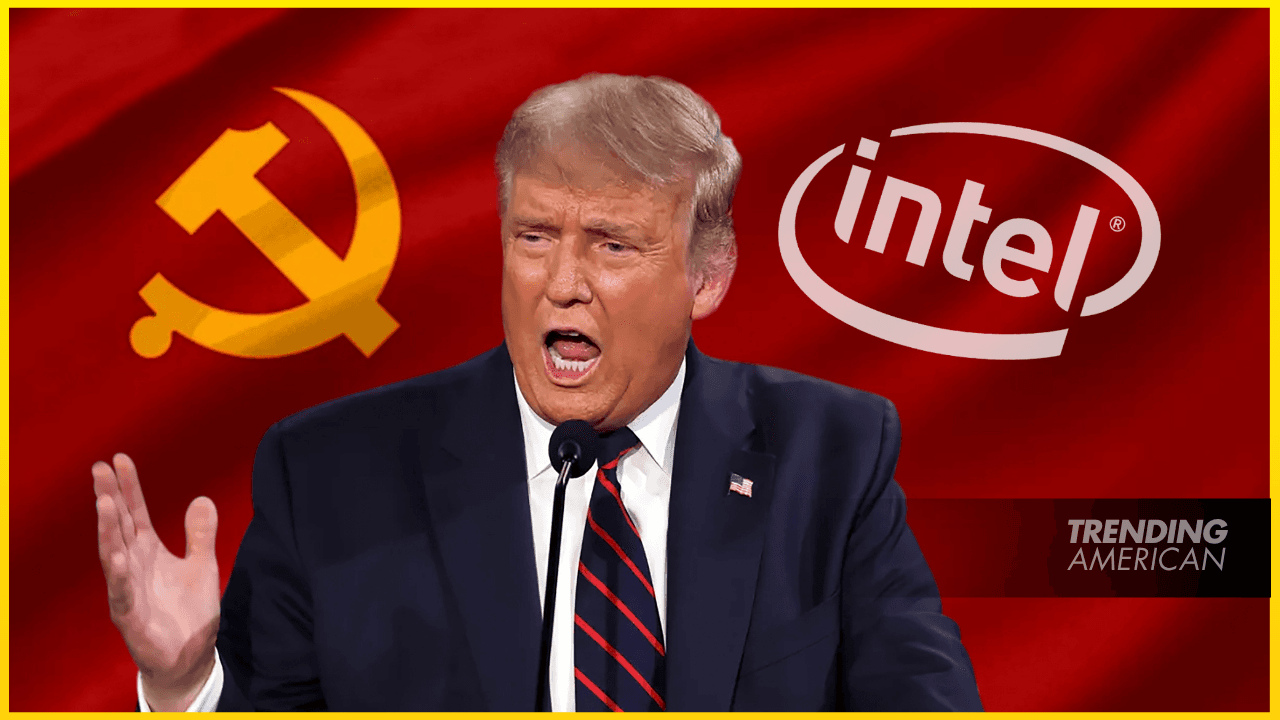
“America will never be a socialist country!” proclaims President Donald Trump, though his recent actions stir a different narrative. By purchasing a 10% stake in Intel using taxpayer funds, Trump’s administration blurs the line between capitalism and socialism, raising eyebrows even among staunch conservatives.
Economist Daniel Mitchell, unconvinced by Trump’s capitalist claims, criticizes this governmental interference as socialism disguised under a capitalistic veil. “When government takes ownership,” he argues, “the market ceases to be free, becoming instead a political playground.”
Spendthrift ventures like these invite cronyism rather than innovation, say experts. “Let the weak companies go away,” insists Mitchell, advocating for market-driven growth over politically motivated bailouts that stifle budding entrepreneurs.
While Trump justifies these moves as necessary for national security, critics note a worrying precedent: government becoming a senior partner in boardrooms across America. The economic ramifications are serious. Subsidizing floundering giants risks creating ‘zombie companies,’ much like Japan’s economic aftermath from industrial policies of yore.
Critics from both parties echo this concern. Even California Governor Gavin Newsom and Senator Elizabeth Warren question Trump’s tactics, suspecting crony capitalism at play. Yet, the political discourse remains divided, laughter and frustration intermingling.
This scenario underscores a pivotal question: can true capitalism flourish under an administration leaning towards socialistic practices with political connections overriding pure market dynamics?
Disclosure: We may earn a commission when you make a purchase through the ads.