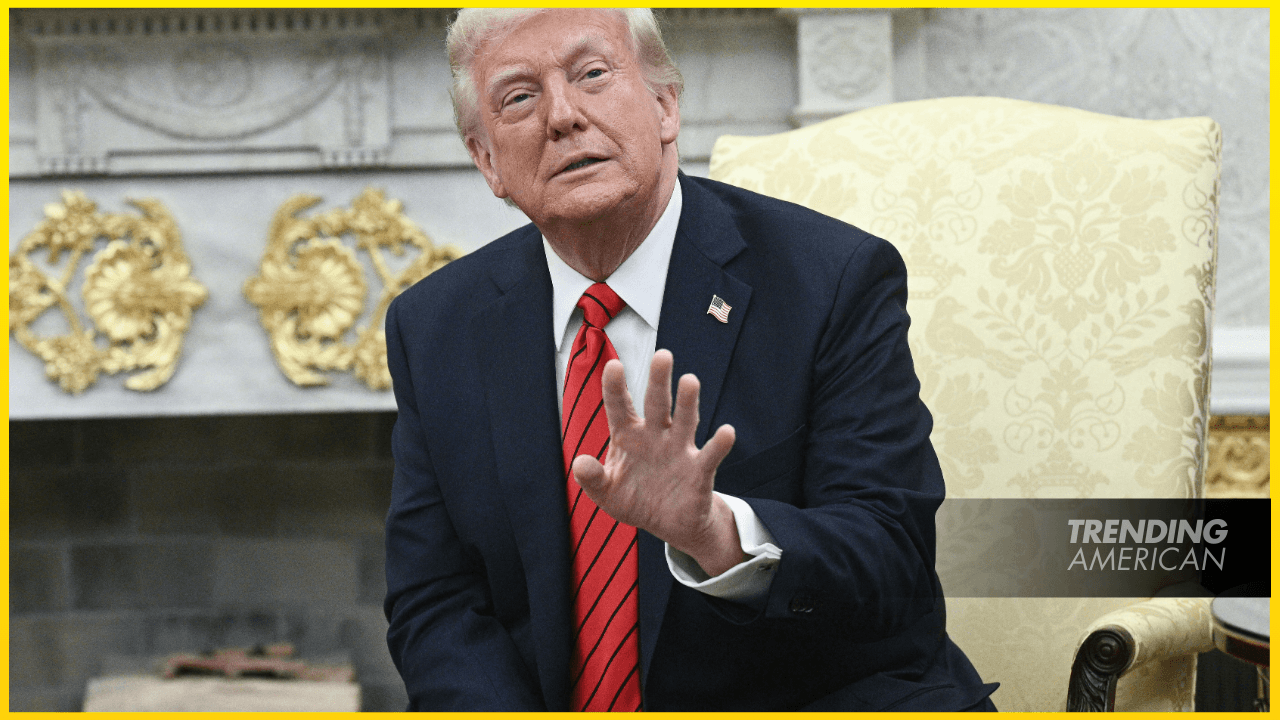
Late November 2025, President Donald Trump and his economic team publicly defended a narrative that affordability is improving even as many households report higher costs. Officials cited tariff revenues and selective relief on groceries, framing recent data as evidence that the economy is turning a corner. In White House briefings, campaign appearances, and favorable media clips, Trump allies have touted indicators such as the stock market’s strength and a resilient job market as proof that price pressures are easing.
But coverage across major outlets presents a more mixed picture. NPR has highlighted a gap between official messaging and family budgets, noting that affordability remains a worry for households as prices rise. CNN has offered a similar assessment, pointing out that while inflation has fluctuated, many everyday costs persist or grow, complicating a simple narrative of relief. Other outlets have reflected the administration’s framing, while independent and left-leaning sites stress ongoing inflationary pressures and the role of tariffs in driving costs.
Analysts have pointed to tariffs and policy choices as potential contributors to higher costs, even when overall inflation cools from earlier peaks. Supporters counter that targeted relief, competitive markets, and gains in certain sectors indicate the economy is healing, arguing that improvements in areas like energy or manufacturing can translate into affordability for households that benefit from lower prices in some categories.
This moment sits at the intersection of political messaging and lived experience. For many families, the central question remains whether prices for essentials such as groceries, fuel, and rent are easing, holding steady, or continuing to rise. As the White House pushes its narrative and critics emphasize price pressures, readers are left weighing official claims against real-world costs.
Disclosure: We may earn a commission when you make a purchase through the ads.